





Go Beyond Meat
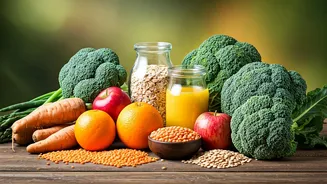
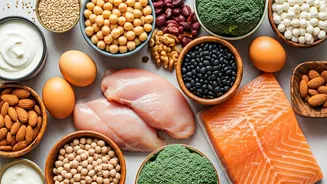
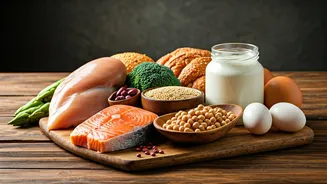
When we think 'protein,' our minds often jump to chicken, beef, or fish. While great, they can also be the most expensive items in your cart. The secret weapon for budget-friendly health is the humble plant-based protein. Lentils, chickpeas, black beans,
and tofu are nutritional powerhouses packed with fiber and protein at a fraction of the cost. A can of chickpeas can be the base for a hearty curry, a flavorful hummus, or roasted for a crunchy salad topper—often for less than a dollar. A bag of dried lentils can yield a dozen servings of soup or stew. You don't have to go fully vegetarian; simply swapping meat for a plant-based option just two or three nights a week can dramatically slash your grocery bill without sacrificing nutrition.
Master the Art of Meal Prep
The single biggest drain on both your wallet and your wellness goals is the last-minute takeout order. The antidote is meal prep. This doesn't mean you need to spend your entire Sunday locked in the kitchen. Start small. Cook a large batch of a versatile grain like quinoa or brown rice. Roast a big tray of seasonal vegetables. Bake or grill a few chicken breasts. With these components ready, assembling a healthy lunch or dinner takes minutes. A scoop of quinoa, a handful of roasted veggies, and some sliced chicken becomes a grain bowl. The same ingredients can be tossed into a salad or wrapped in a tortilla. Planning ahead prevents impulse buys and ensures a healthy option is always the easiest option.
Shop Your Pantry and Freezer First
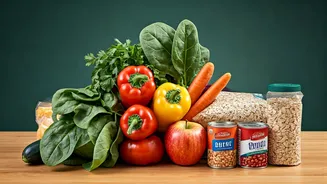
Before you even write a grocery list, take stock of what you already have. That half-empty bag of frozen peas, the can of crushed tomatoes in the back of the cupboard, and that forgotten bag of rice are your first ingredients. So often, we buy duplicates or let good food expire simply because we forget it's there. Challenge yourself to create one or two meals a week based on 'pantry finds.' This not only saves money but also forces creativity in the kitchen and dramatically cuts down on food waste. An app for tracking pantry inventory can be helpful, but a simple whiteboard on the fridge works just as well.
Don't Fear the Frozen Aisle
There’s a common misconception that fresh is always best. When it comes to fruits and vegetables, 'frozen' is often just as nutritious—and significantly cheaper. Produce destined for the freezer is typically picked at its peak ripeness and flash-frozen, locking in vitamins and minerals. Unlike fresh produce, which has a short shelf life, frozen fruits and vegetables can wait patiently until you need them, eliminating waste. A bag of frozen spinach is perfect for smoothies or wilting into a pasta sauce. Frozen berries make for an affordable, year-round topping for yogurt or oatmeal, and frozen peas or corn can bulk up any soup, stir-fry, or casserole.
Build a Flavor Toolkit
A meal of simple rice and beans can feel boring, or it can be a vibrant, exciting dish. The difference isn't the cost of the main ingredients; it's the flavor. Instead of buying expensive pre-made sauces and marinades, which are often high in sugar and sodium, build a 'flavor toolkit.' This includes basics like olive oil, vinegar (balsamic, apple cider), soy sauce, garlic, onions, and a collection of dried herbs and spices. A sprinkle of smoked paprika, cumin, and chili powder can transform basic ingredients into a Tex-Mex feast. A dash of dried oregano and basil can give a simple tomato sauce an Italian flair. These items may have an upfront cost, but they last for months and provide the foundation for countless inexpensive, delicious meals.