







The City of Lakes, Reborn
Udaipur’s identity is intrinsically tied to its man-made lakes, a network of interconnected water bodies that feel like a desert miracle. For much of the year, they shimmer under a relentless sun. But during the monsoon, they swell with life. Lake Pichola,
the city’s heart, brims to its edges, lapping against the ancient ghats and the foundations of lakeside palaces. A boat ride becomes less a tour and more a glide through a watercolor painting. The hazy, rain-washed light softens the ornate facades of the City Palace complex, which rises from the lake’s edge like a colossal fortress from a fairy tale. The water reflects the grey-blue monsoon sky, and the distant, rolling Aravalli Hills, newly carpeted in green, provide a stunning, verdant backdrop. The air is cool, the water is high, and the entire city seems to breathe a collective sigh of relief.
Havelis Whispering History
Havelis—the ornate, historic mansions of former nobles and merchants—are scattered throughout Udaipur’s old city. Their intricate latticework windows (jharokhas), carved balconies, and mirrored interiors tell stories of a wealthy past. The rain adds a new layer to their character. Water cascades down stone facades, washing centuries of dust away and deepening the colors of the weathered architecture. Courtyards, once baked by the sun, now feature small puddles reflecting the archways above. One of the most famous, Bagore-ki-Haveli, sits on the waterfront of Lake Pichola. Visiting during a downpour offers a unique sensory experience: the rhythmic sound of rain in its central courtyard, the view of the churning lake from its windows, and the feeling of being cocooned in history while nature puts on a show outside. These mansions aren't just buildings; they are witnesses to countless seasons, and none makes them feel more alive than the monsoon.
The Romance of the Monsoon
In India, the monsoon is more than just a weather pattern; it's a cultural phenomenon celebrated in poetry, music, and art for centuries. In the typically arid state of Rajasthan, its arrival is a near-spiritual event. The first drops of rain release a heady, earthy scent from the parched ground known as petrichor. The soundscape of the city changes from the buzz of traffic to the percussive drumming of rain on rooftops and awnings. Locals and travelers alike find refuge in rooftop cafes, sipping hot chai and eating savory pakoras while watching the sky unleash its bounty. It’s a time for introspection and cozy comfort. Far from being a nuisance that keeps you indoors, the rain in Udaipur invites you to slow down, find a window with a view of the lake, and simply watch the world be cleansed and reborn.
Palaces Seemingly Afloat
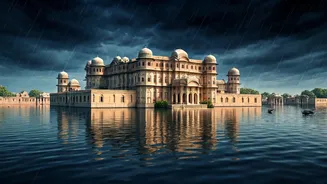
At the center of Lake Pichola lie two of Udaipur’s most iconic structures: Jag Mandir and the world-famous Lake Palace (Jag Niwas), now an exclusive hotel. During the monsoon, as the water level rises, these white marble marvels appear to float ethereally on the water’s surface. Jag Mandir, the sprawling garden palace where visitors can disembark, becomes an island sanctuary surrounded by the refreshed lake. The Lake Palace, with its delicate domes and archways, looks completely dreamlike, its foundations submerged and its reflection shimmering below. The visual effect is mesmerizing, solidifying Udaipur’s reputation as the “Venice of the East.” The monsoon doesn't just fill the lakes; it elevates these architectural wonders from magnificent to truly magical, making them seem as if they were spun from myth and water.