

1. Anchor the Space with a Statement Plant
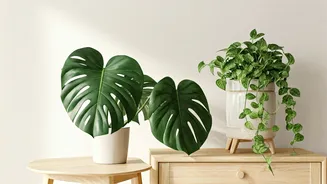
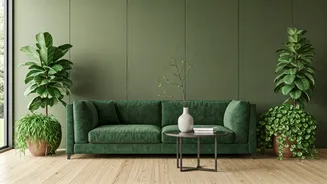
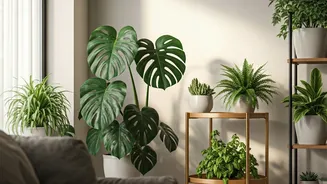
The fastest way to establish a green corner is with a single, significant plant. Think of this as the anchor or the centerpiece of your new verdant vignette. A tall Fiddle Leaf Fig, a dramatic Bird of Paradise, or a broad-leafed Monstera Deliciosa can immediately
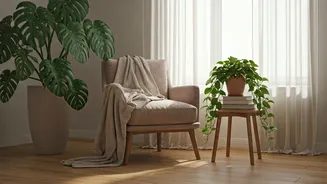
command attention and soften the hard right-angles where walls meet floor. Placing a large plant in a corner fills what is often awkward, unused space, drawing the eye to a beautiful living sculpture instead of a void. This one move provides instant impact, making the room feel more intentional and lush before you’ve even added a second pot.
2. Layer Heights and Textures
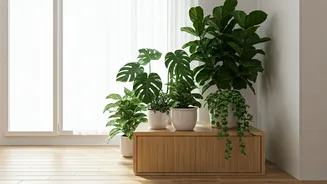
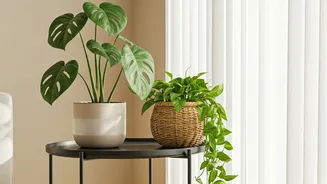
A truly soft and inviting green corner has depth. The key is to layer plants of varying heights, shapes, and textures. Pair your tall statement plant with something medium-height and bushy, like a Snake Plant or a ZZ Plant, placed on the floor or a low stool. Then, add a trailing plant like a Golden Pothos or String of Pearls on a shelf or the edge of a console table, allowing its vines to cascade down. This variation mimics the natural, untamed look of a garden. The interplay between spiky, smooth, broad, and lacy leaves creates a rich visual tapestry that is inherently more gentle and organic than a flat, painted wall.
3. Play with Pots and Planters
The plants are the stars, but their containers are the crucial supporting actors. The materials, colors, and textures of your pots play a huge role in the “softness” of your green corner. For a warm, bohemian feel, opt for woven baskets, rattan stands, and earthy terracotta. If your style is more modern, look for matte ceramic planters in muted tones or sleek fiberglass containers. Don't be afraid to mix and match. A smooth ceramic pot next to a textured, woven one adds interest. This is another opportunity to break up hard lines—a round pot inherently softens the angularity of a room’s corner.
4. Group Small Plants for Big Impact
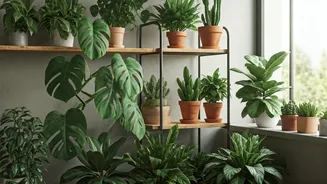
You don't need a six-foot tree to make a difference. A curated collection of smaller plants can be just as effective. Gather a family of small pots on a windowsill, a side table, or a dedicated plant stand. This works beautifully with succulents, small cacti, or a collection of baby African Violets. Grouping them in odd numbers—three, five, or seven—is a classic design trick that feels more natural and balanced to the eye. This creates a miniature garden landscape, a focal point that invites closer inspection and adds a concentrated dose of life and detail to your corner.
5. Utilize Vertical Space
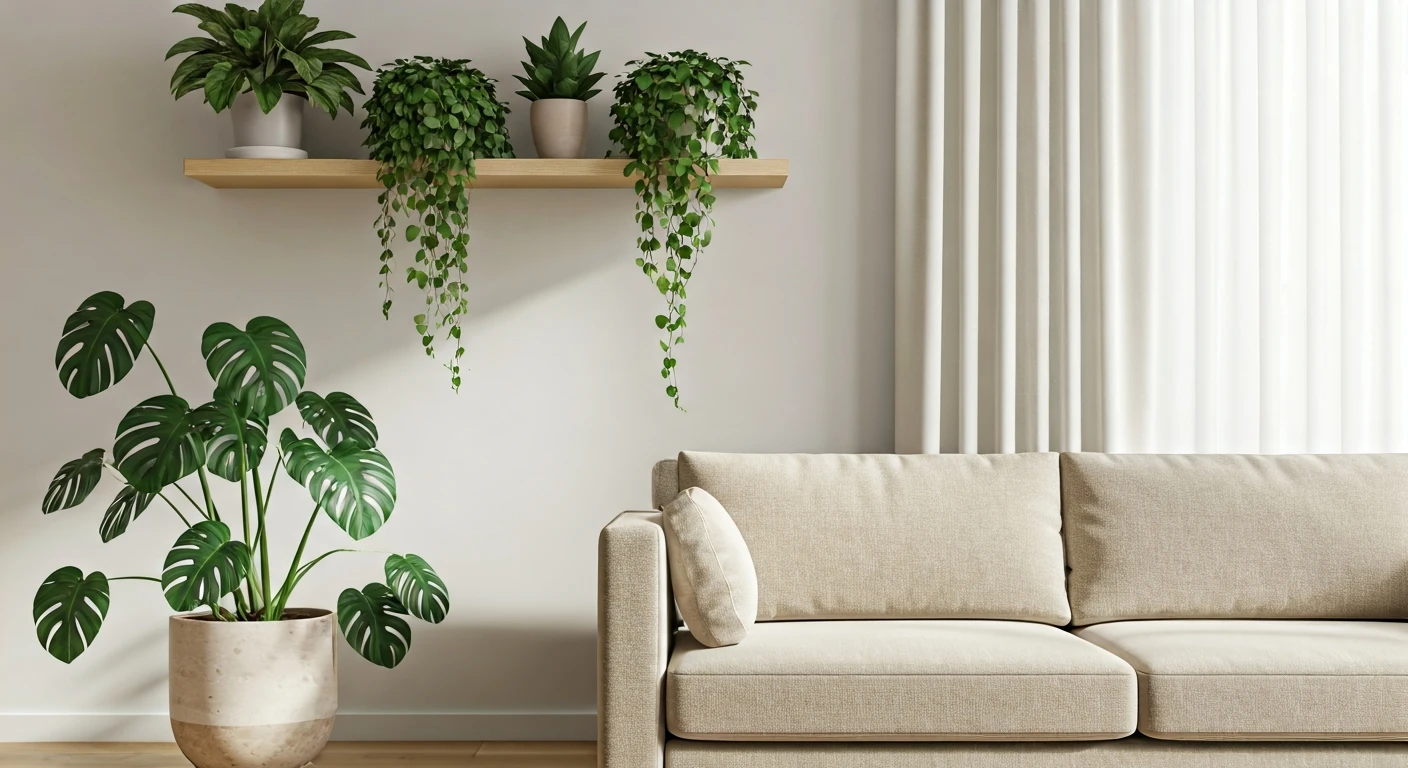
Corners aren’t just on the floor. Look up. A blank vertical space is a perfect canvas for softness. Install a simple floating shelf to display a few small plants and a trailing vine. Or, use a ceiling hook to hang a lush Boston Fern or Spider Plant. This technique draws the eye upward, making the room feel taller and more expansive. A hanging plant breaks up the monotony of a flat wall, its gentle swaying adding a subtle, dynamic element to the room. It’s the ultimate way to ensure your green corner feels fully integrated into the space, from floor to ceiling.