







Beyond Temperature: The Energetics of Food
We often confuse a food’s temperature with its effect on the body. A glass of ice water is cold, but its cooling effect is temporary. The concept of 'cooling foods' goes deeper, referring to items that help lower your body’s core temperature or reduce
internal heat and inflammation, regardless of how cold they are when you eat them. Think of it as an internal thermostat adjustment. This idea isn't new; in fact, it's a cornerstone of traditional medicine systems that have categorized foods by their energetic properties for centuries.
Ancient Wisdom from the East
For thousands of years, Traditional Chinese Medicine (TCM) has classified foods based on their yin (cooling) and yang (warming) properties. Yin foods are believed to help clear heat, reduce toxins, and replenish body fluids. Similarly, in Ayurveda, the ancient Indian science of life, foods are categorized to balance the body's 'doshas.' During hot weather, when the 'pitta' dosha (associated with fire and metabolism) can become aggravated, practitioners recommend 'pitta-pacifying' foods that are sweet, bitter, and astringent to cool the system. These traditions recognized a food's physiological impact long before we had the labs to prove it.
The Modern Science of Staying Cool
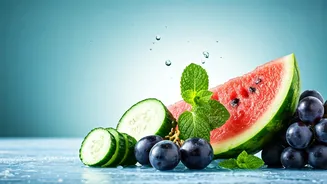
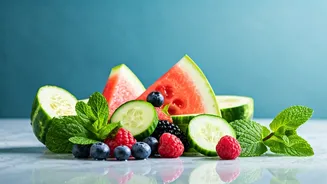
Today, nutritional science offers explanations that align with this ancient wisdom. The 'cooling' effect of many foods comes down to a few key factors. High water content is the most obvious one; foods like cucumber and watermelon are over 90% water, which is essential for hydration and regulating body temperature through sweat. Additionally, some foods are easy to digest, requiring less metabolic energy—and therefore generating less internal heat. Finally, certain compounds, like the menthol in mint, trick our brain's receptors into perceiving a cooling sensation, providing that classic 'ahhh' feeling of refreshment.
Cucumber: The Ultimate Hydration Stick
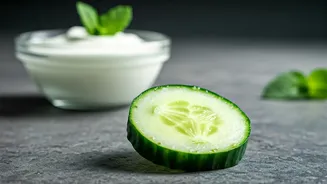
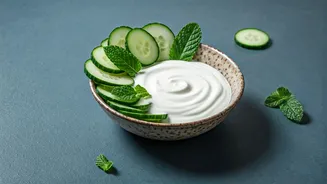
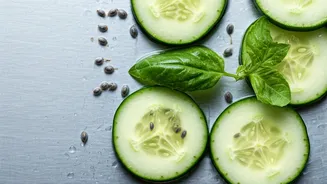
There’s a reason cucumbers are a spa cliché. Composed of about 95% water, they are one of the most hydrating foods you can eat. Beyond just water, they contain electrolytes that help your body absorb that hydration more effectively. They are also incredibly easy for your system to process, meaning your digestive tract doesn’t have to work overtime and generate excess heat. The flesh of the cucumber itself is known in traditional systems for its ability to clear heat, making it a true cooling superstar.
Watermelon: A Slice of Summer Science
Watermelon is the quintessential summer food for a reason. Like cucumber, it’s packed with water (around 92%), but it also contains citrulline, an amino acid that helps improve blood flow. Better circulation allows your body to release heat more efficiently. Furthermore, it contains lycopene, an antioxidant that may help protect the skin from sun damage—a handy side benefit during the summer months. It's nature's perfect, delicious solution to a hot day.
Mint: Nature’s Air Conditioner
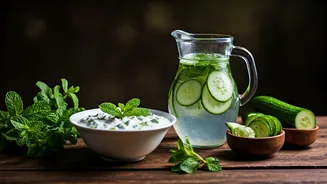
Mint’s cooling power isn't about hydration—it’s a clever trick of chemistry. The active compound, menthol, binds to a specific receptor in our nerve cells (TRPM8) that is normally activated by cold temperatures. When menthol triggers this receptor, it sends a signal to your brain that says, 'It’s cold in here!' even if the temperature hasn’t changed. This is why a glass of mint tea can feel just as refreshing hot as it does iced. It’s a sensory illusion with a very real and pleasant effect.
Yogurt: The Probiotic Cool-Down
Often overlooked in the cooling conversation, yogurt and other fermented dairy products like kefir are staples in hot climates from India (in the form of lassi) to the Middle East (as ayran). Their high water content helps, but the main benefit comes from their nourishing, easy-to-digest nature. They soothe the digestive system rather than taxing it. The probiotics can help maintain a healthy gut, which is crucial for overall balance and can prevent the kind of internal inflammation that contributes to a feeling of being overheated.