


Beyond a Simple Houseplant
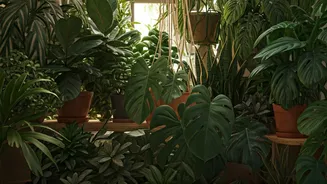
Look inside the newest apartment buildings, browse aspirational real estate listings, or scroll through design feeds, and you’ll see it everywhere: spaces that feel less like sealed boxes and more like livable ecosystems. We're not just talking about
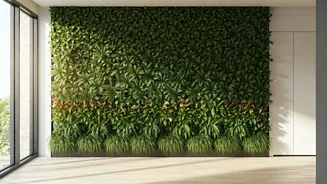
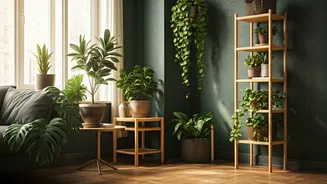
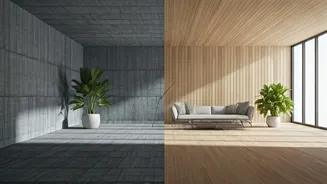
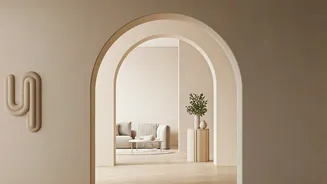
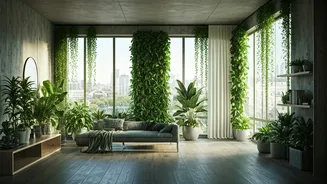
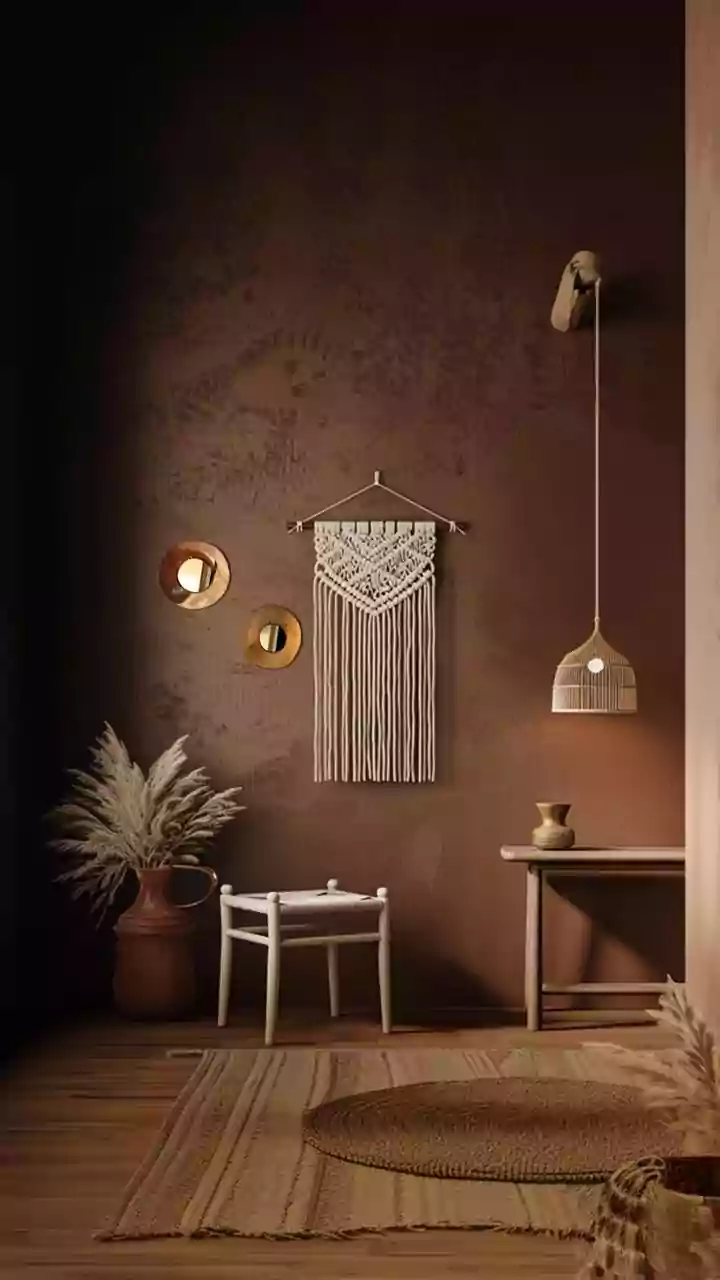
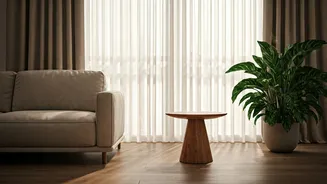
a fiddle-leaf fig in the corner. This trend is about a holistic philosophy known as biophilic design—the practice of connecting people and nature within our built environments. It manifests as floor-to-ceiling windows that blur the line between indoors and out, central courtyards overflowing with foliage, living green walls that double as art, and an emphasis on natural materials like wood, stone, and bamboo. The goal isn't just to decorate with nature, but to integrate its principles—light, air, and life—directly into the architecture. It marks a significant shift away from the stark, industrial-chic aesthetic that dominated urban design for years toward something warmer, softer, and fundamentally more human.
A Response to Modern Life
So, why now? The rise of airy, plant-filled spaces is a direct reaction to the pressures of modern urbanity. For one, the pandemic was a major catalyst. Lockdowns and the shift to remote work forced millions of Americans to spend unprecedented amounts of time indoors, leading to a collective re-evaluation of what makes a home livable. Suddenly, a small balcony, a view of a tree, or even just a sunny spot for a plant became invaluable. Our homes had to become our offices, gyms, and sanctuaries all at once, and the sterile white box was found wanting. This craving for a connection to the natural world was amplified by growing awareness around wellness and mental health. In an era of constant screen time and digital fatigue, creating a home environment that calms, restores, and grounds us has moved from a luxury to a necessity. These green, light-filled spaces serve as a powerful antidote to burnout, offering a quiet refuge from the concrete jungle outside.
The Science of Green
This isn’t just about vibes; it's backed by science. A growing body of research confirms the tangible benefits of incorporating nature into our daily lives. Studies in environmental psychology have shown that exposure to natural elements, even just looking at plants, can reduce stress, lower blood pressure, and improve mood. The presence of indoor plants has been linked to better concentration and productivity—a key selling point for the work-from-home crowd. Beyond the psychological boost, plants are natural air purifiers, filtering out common household toxins and improving indoor air quality. Architects and developers are taking note. What was once a niche interest is now a core marketing feature. New residential projects increasingly highlight access to green space, natural light, and biophilic features as premium amenities, recognizing that today’s buyers and renters are willing to invest in their well-being.
From Luxury Lofts to Your Living Room
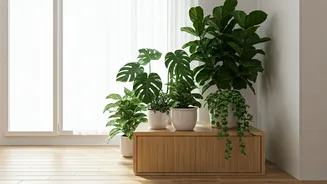
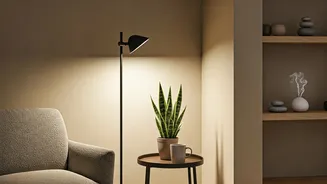
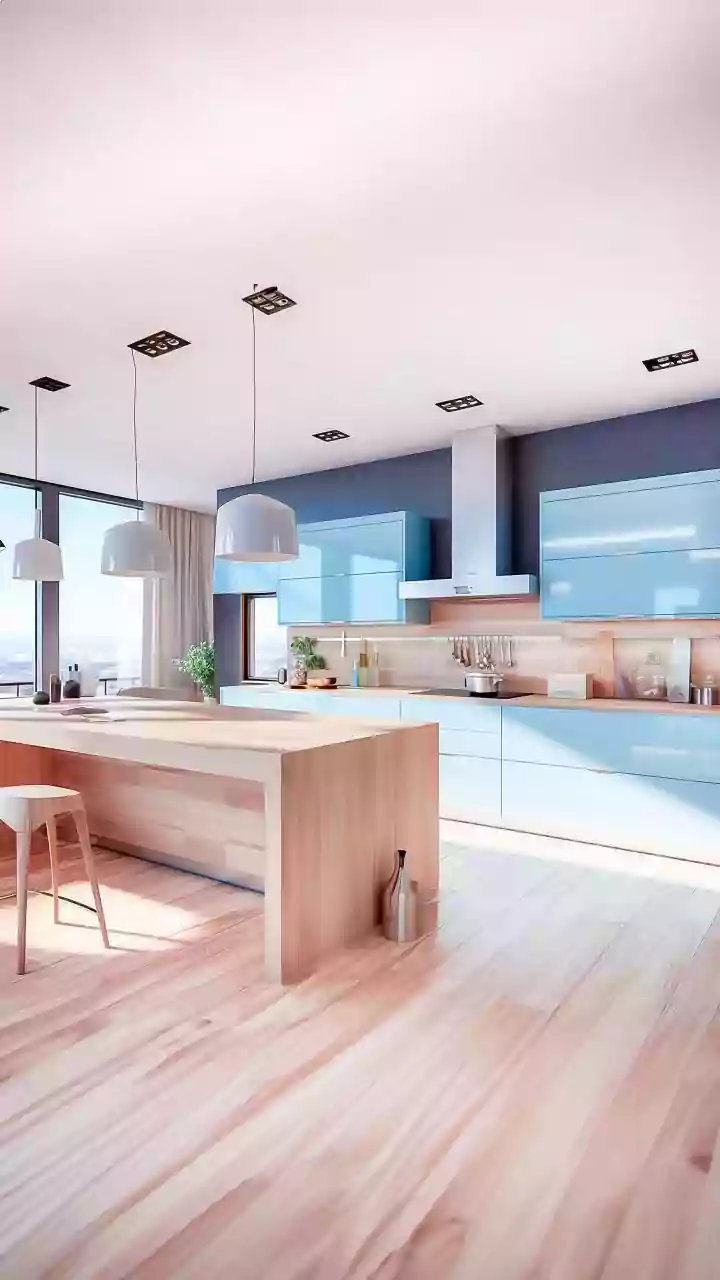
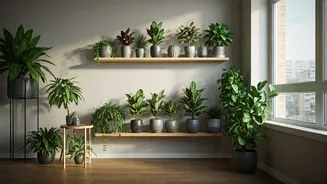
While large-scale biophilic architecture is most visible in high-end developments—think buildings with shared rooftop farms or apartments designed around an interior atrium—the trend is remarkably democratic. Its principles can be applied at any scale and on any budget. For renters or homeowners without the ability to knock down walls, it’s about maximizing what you have. This can mean strategically placing mirrors to amplify natural light, choosing a lighter color palette, or simply clearing clutter to create a sense of openness. And, of course, it means bringing in plants. Starting with a few low-maintenance options like snake plants or pothos can instantly transform the feel of a room. The trend has fueled a boom in local plant shops and online retailers, making it easier than ever to find the right greenery for your space and skill level. It’s a movement that meets people where they are, offering a path to a calmer, healthier home, one leaf at a time.