






From Grimy Relic to Gleaming Icon
For decades, the pet bowl was an afterthought—a durable, often plastic, vessel for food and water. But in the age of the “fur baby,” where pets are considered integral family members, the standards have changed. The new focus isn't on a bowl that simply
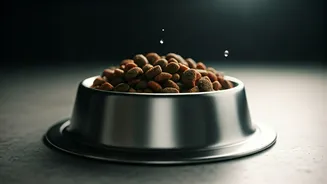
holds food, but on one that promotes health, looks good in a curated kitchen, and signals a superior level of care. This isn’t just about rinsing it out every few days. We're talking about daily washes with pet-safe soap, the strategic deployment of stainless steel and ceramic to combat bacterial growth, and even UV-sanitizing water fountains that look like they were designed by Apple. The enemy has a name: biofilm. That’s the slimy, invisible layer of bacteria that veterinarians warn can form in unwashed bowls, potentially causing everything from pet acne to more serious digestive issues. Suddenly, a clean bowl isn’t just good hygiene; it's an active, daily demonstration of responsible pet parenting.
The Wellness Wave Reaches the Water Bowl
This obsession with bowl hygiene didn't appear in a vacuum. It’s a direct extension of the human wellness movement that has consumed us for the past decade. We track our sleep, drink filtered water, scrutinize food labels, and optimize our gut health. Now, we’re applying that same meticulous, data-driven lens to our pets. The modern pet owner isn’t just a caregiver; they’re a wellness manager. They research pet food with the intensity of a nutritionist and monitor their dog’s activity with GPS collars. In this context, a pristine bowl is the equivalent of drinking kombucha or using a chemical-free mattress. It's a tangible way to feel in control of your pet's health and well-being, offering peace of mind in a world full of unseen threats like germs and bacteria. The purchase of a $50 ceramic, non-porous, dishwasher-safe bowl becomes an investment in longevity and a vote for a preventative-care lifestyle.
A Bowl Built for the ‘Gram
Of course, it’s not just about health. It’s also about aesthetics. The rise of the “pet-fluencer” and the perfectly curated home on Instagram and TikTok has transformed pet accessories from purely functional items into decor. A cheap, brightly colored plastic bowl clashes with a minimalist, Scandinavian-inspired kitchen. But a sleek, matte-black elevated feeder or a hand-thrown stoneware bowl? That’s an accessory. It complements the neutral-toned rug and the fiddle-leaf fig in the corner. Brands have caught on, flooding the market with design-forward bowls that are as much for the owner’s visual pleasure as they are for the pet’s needs. This is the “status symbol” part of the equation. Having a high-end bowl set from a boutique brand like Fable or Wild One signals not just that you love your pet, but that you have excellent taste and the disposable income to express it. It’s a quiet form of social currency among a certain demographic of pet owners.
What the Vets Say
So, is this trend a vet-approved necessity or just another way for companies to capitalize on our love for our pets? The answer is a bit of both. Veterinarians have long advocated for clean bowls. Dr. Jerry Klein, Chief Veterinary Officer for the American Kennel Club, emphasizes that bowls should be washed daily with soap and hot water to prevent the buildup of harmful bacteria like Salmonella and E. coli. He also notes that materials matter; stainless steel is non-porous and easy to sanitize, while scratched plastic can harbor germs. From a health perspective, the trend is rooted in sound advice. However, vets are also quick to point out that you don’t need a $100 self-cleaning bowl to achieve this. A simple, clean stainless steel or ceramic dish works just as well. The status and aesthetic elements are purely for the humans. The core principle—a clean eating surface—is what truly benefits the animal.