

The Burnout of Peak Season
Consider the anatomy of a typical summer trip. It often begins with a frantic battle for flights and overpriced accommodations. Once you arrive, you’re met with sweltering temperatures that make even a short walk feel like an athletic event. You stand
in line for everything: the popular brunch spot, the museum entrance, the single patch of shade at a crowded beach. The pressure to capture perfect moments for social media adds another layer of work to what is supposed to be a break. This isn’t just a feeling; it’s a reflection of our changing world. With 'heat domes' becoming a regular part of the summer vocabulary, traditional sun-and-sand destinations are becoming less idyllic and more like endurance tests. The result is a vacation that feels less like a reset and more like a different kind of stress—one that leaves you needing a vacation from your vacation.
A Welcome Shift in Climate
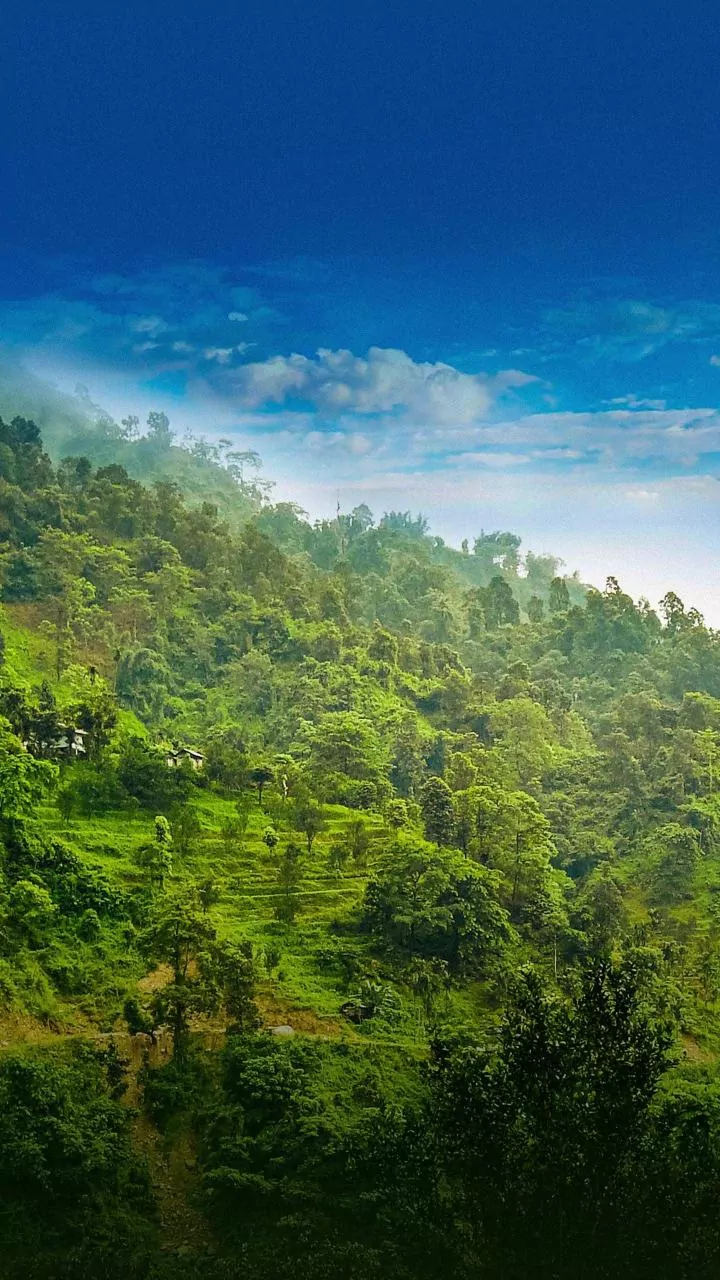
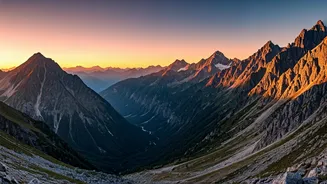
The first and most obvious gift of a mountain summer is physical relief. As you ascend in elevation, the thick, humid air of the lowlands gives way to something crisp, cool, and clean. A 95-degree day in the city might be a perfect 75-degree afternoon in the Rockies or the Appalachians. This isn’t just about comfort; it’s about possibility. The day opens up. You can go for a walk without wilting. You can enjoy a coffee on a patio without seeking refuge under a misting fan. You can sleep under a blanket at night.
This dramatic change in climate has a profound psychological effect. It removes a massive, oppressive environmental stressor, freeing up mental and physical energy. Your body is no longer in a constant state of battle against the heat. Instead of seeking shelter, you’re invited to step out and explore.
Slowing Down to a Human Pace
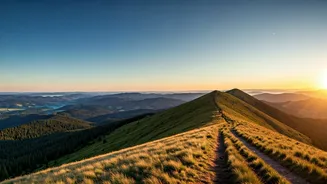
Beyond the temperature, mountain towns operate on a different rhythm. The frantic, clock-driven urgency of urban life softens. The main attractions aren’t necessarily ticketed events with strict start times, but rather natural occurrences: the sunrise over a peak, the path of a hiking trail, the quiet flow of a river. The day’s agenda is more likely to be guided by the weather and your own energy levels than a pre-booked itinerary.
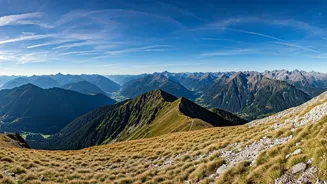
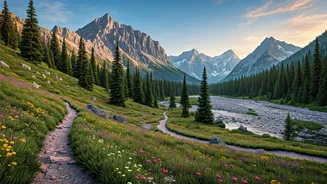
This slower pace is where the “human” element really begins to emerge. It encourages activities that are inherently mindful and deliberate. A long hike isn’t about getting from point A to point B as quickly as possible; it’s about the steps, the breathing, and the unfolding scenery. There’s a simplicity to it—walking, talking, looking, listening. It’s a return to a state of being that feels primal and deeply necessary, a stark contrast to the multi-tab, notification-driven reality most of us live in.
Reconnecting with Something Real
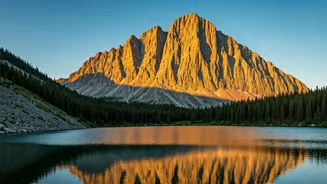
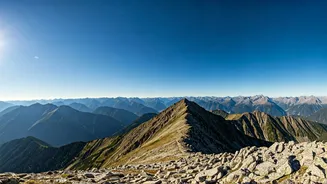
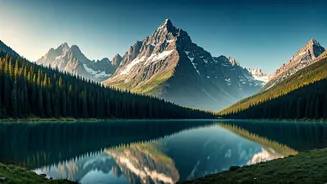
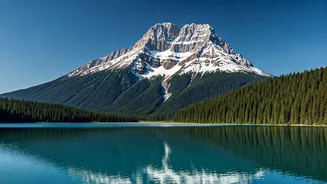
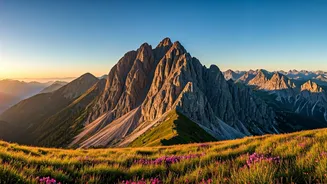
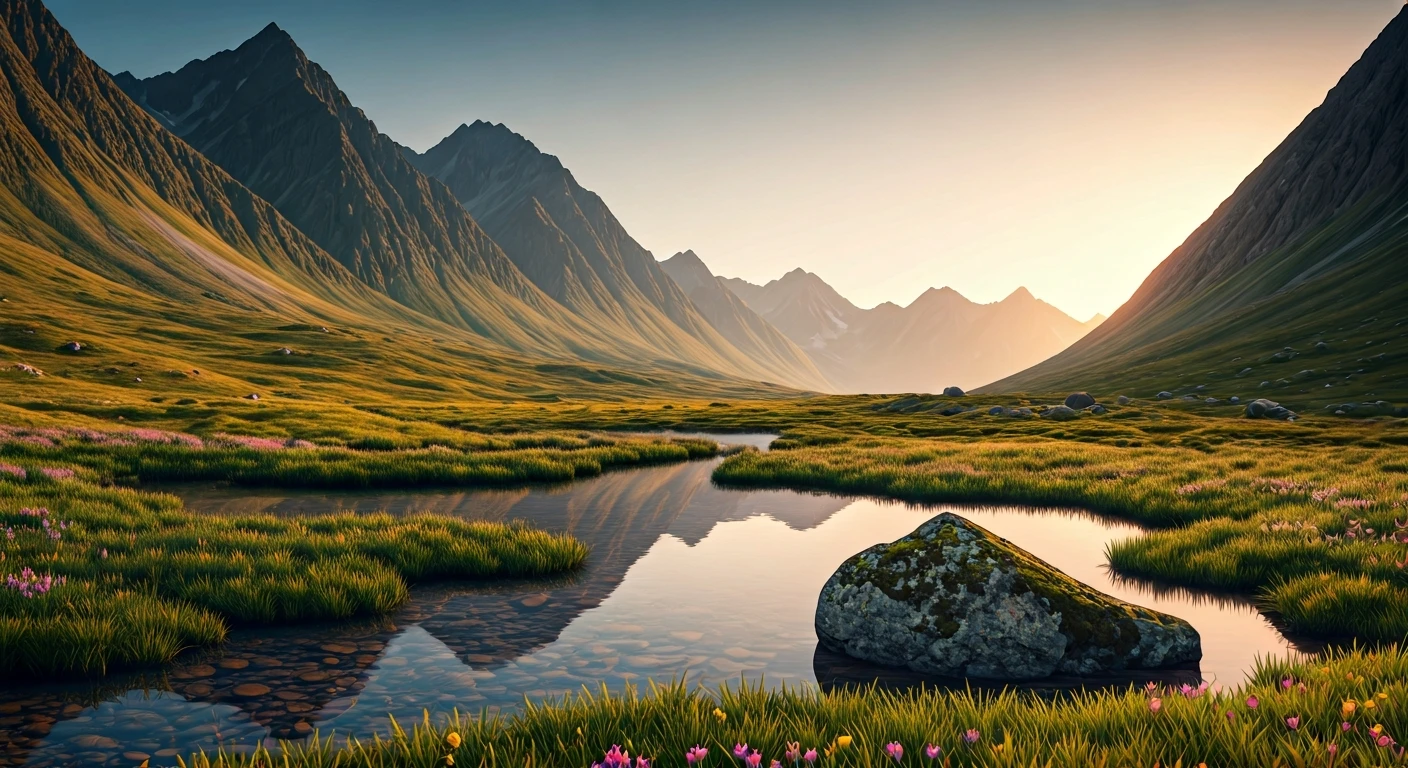
In a world saturated with digital noise and curated realities, mountain landscapes offer an undiluted dose of the sublime. There is an undeniable power in standing before something so vast and ancient it makes your own concerns feel appropriately small. The scale of a mountain range provides perspective. It’s a humbling, grounding experience that no air-conditioned museum or five-star resort can replicate.
This connection to the natural world, a concept known as biophilia, suggests that humans have an innate need to affiliate with nature. Being in the mountains satisfies that need directly. The smell of pine, the feel of a cool breeze, the sound of a distant stream—these sensory inputs cut through the digital static. It’s a vacation that engages your whole body, not just your eyes and your phone’s camera. It’s less about consuming an experience and more about simply being present within one.