

What Exactly is 'Food Purity' Content?
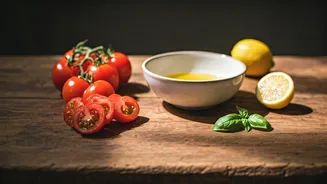
At its core, 'food purity' content is a social media aesthetic built around the idea of food in its most elemental state. Think of it as the visual manifestation of the 'clean eating' movement’s next chapter. The videos and images that define this trend
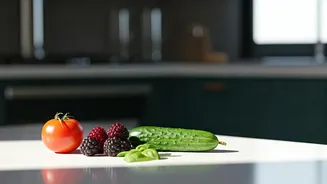
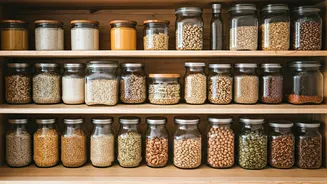
are characterized by a specific, almost uniform, look: natural light, earthy tones, rustic pottery, and a conspicuous absence of plastic packaging or brand logos. The stars of the show are the ingredients themselves—unblem-ished vegetables, cloudy jars of raw milk, rustic loaves of homemade bread, and amber bottles of unfiltered honey. The process is just as important as the product. You’ll see creators milling their own flour, churning butter by hand, and making cheese from scratch. It’s a romantic, highly curated vision of a pre-industrial food system, updated for the high-definition screens of TikTok and Instagram.
The Soothing Appeal of Control
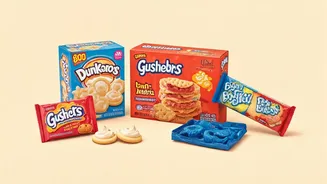
So, why is this trend exploding now? In a world of complex supply chains and growing anxiety about ultra-processed foods, food purity offers a compelling fantasy of control and transparency. After years of headlines about microplastics, seed oils, and unpronounceable ingredients, the appeal of a single-ingredient food—an egg is an egg, milk is milk—is incredibly powerful. This content provides a mental escape. Watching someone peacefully prepare a meal with ingredients they supposedly grew or sourced from a local farm feels like an antidote to the chaos of modern life. It taps into a deep-seated desire for self-sufficiency and a connection to nature, even if the viewer’s own reality involves a trip to a fluorescent-lit supermarket. It’s less about a literal return to the land and more about a psychological return to simplicity.
From Homesteading to Ideology
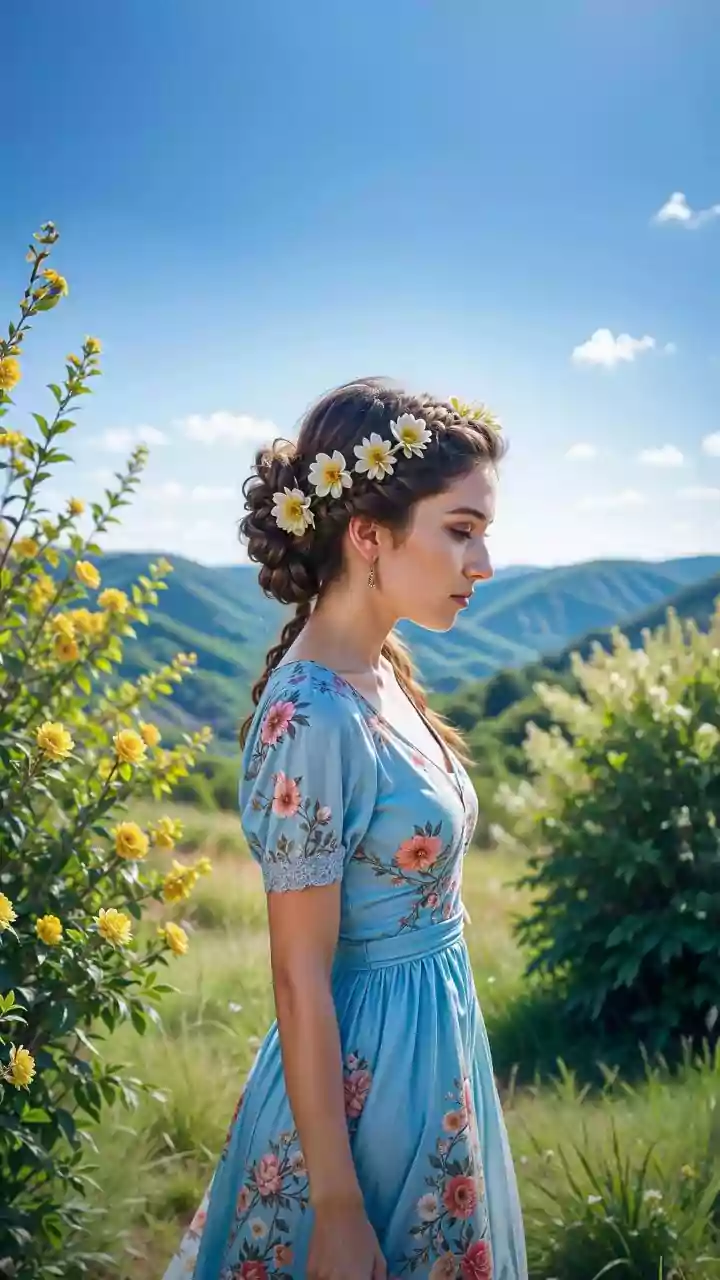
While much of this content is apolitical, the aesthetic often overlaps with the 'tradwife' and homesteading movements, which champion a return to traditional gender roles and family structures. The visual language—a woman in a linen apron, working in a pristine, farmhouse-style kitchen—can subtly reinforce these ideals. The emphasis is on the home as a sanctuary and the primary domain for providing nourishment. For most viewers, it’s simply beautiful, aspirational content. But it’s worth noting that the 'purity' narrative can sometimes extend beyond food, tying into a broader lifestyle ideology that values the 'natural' and 'traditional' above all else. The trend exists on a spectrum, from casual sourdough bakers to committed ideologues, but they all share a common visual dialect.
The Hidden Downsides of 'Purity'
Here's the catch: the quest for purity can be a trap. The term itself is loaded, implying that anything outside its narrow definition is 'impure' or dirty. This can easily devolve into food fear, creating anxiety around perfectly healthy and accessible foods that don't fit the rustic aesthetic. Critics point out that this trend can be a form of diet culture dressed in a prairie dress, promoting restrictive eating habits under the guise of wellness. Furthermore, the lifestyle it portrays is often a product of privilege. Access to raw milk, pasture-raised eggs, and the time to bake bread from scratch requires significant financial resources and free time that are out of reach for the average American. This can create an unrealistic and guilt-inducing standard, making people feel like they are failing if their kitchen doesn't look like a sun-drenched pastoral fantasy. The frequent promotion of unpasteurized dairy, for example, also ignores significant public health warnings about harmful bacteria.