
More Than a Workout, It’s a Vibe
Forget treadmills and sterile gym environments. The new wave of fitness in Bali is communal, expressive, and unapologetically joyful. We're talking about 'ecstatic dance' sessions, 'sober raves,' and high-intensity movement classes that feel more like
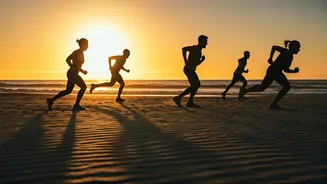
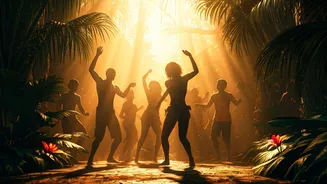
a music festival than a workout. These aren't your typical Zumba classes. Held in stunning open-air shalas, bamboo pyramids, or even on the beach, these events draw hundreds of people—a mix of locals, expats, and tourists—to move, sweat, and connect before most Americans have had their first cup of coffee. The dress code is less Lululemon and more flowy pants and expressive colors. The goal isn't to burn a specific number of calories but to achieve a state of catharsis through movement, often with a live DJ spinning hypnotic electronic or tribal beats.
The Bali Effect: Why Here, Why Now?
This phenomenon isn't an accident; it's a perfect product of Bali's unique cultural cocktail. The Indonesian island has long been a global magnet for yoga enthusiasts, spiritual seekers, and wellness devotees. Add to that a massive influx of digital nomads and creators—a demographic that prizes flexibility, community, and experience over material possessions—and you have fertile ground for a new kind of routine. The pandemic only accelerated this. After years of isolation and screen-based interaction, people are craving embodied, in-person connection. These morning raves offer exactly that: a space for uninhibited self-expression and human connection, without the alcohol-fueled haze of traditional nightlife. It’s a natural evolution for a place that has always blended ancient spirituality with modern trends.
Sunrise Sets and Sound Baths
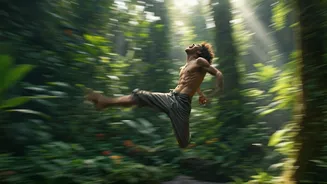
So, what does one of these mornings actually look like? It often begins around 7 a.m. at a venue like The Pyramids of Chi in Ubud or Udara Bali in Canggu. The experience starts with a gentle warm-up, perhaps some guided breathing or stretching, before the music gradually builds. For the next 90 minutes, there are no instructions. The floor becomes a sea of free-form movement. People dance alone, in pairs, or in large, pulsing groups. Some are wildly energetic, jumping and spinning; others are more meditative, swaying with their eyes closed. There’s no talking, no phones, and no judgment—just the shared energy of the music and the crowd. The peak of the dance often coincides with a crescendo in the music, creating a powerful, collective release. The session typically ends with a calming 'sound bath,' where participants lie down and absorb the resonant frequencies of gongs, crystal bowls, and chimes, integrating the energy they’ve just created.
The Sober-Curious Celebration
Perhaps the most radical part of this trend is its commitment to being a substance-free high. These events are explicitly sober, often serving fresh coconuts, kombucha, and herbal elixirs instead of cocktails. It taps directly into the 'sober curious' movement gaining traction across the U.S., where people are re-evaluating their relationship with alcohol and seeking social experiences that don't revolve around it. The 'rave' here is about the music, the movement, and the tribe. Participants talk about feeling a natural euphoria—a 'dancer's high'—that leaves them feeling energized and clear-headed for the rest of the day, not depleted and hungover. It’s a fundamental reframing of what it means to 'party': a celebration of life and body, powered by nothing more than a good beat and a willingness to let go.