



Moving Beyond Tikka Masala
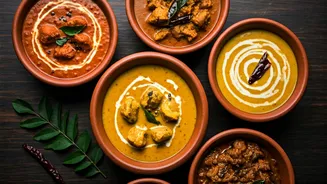
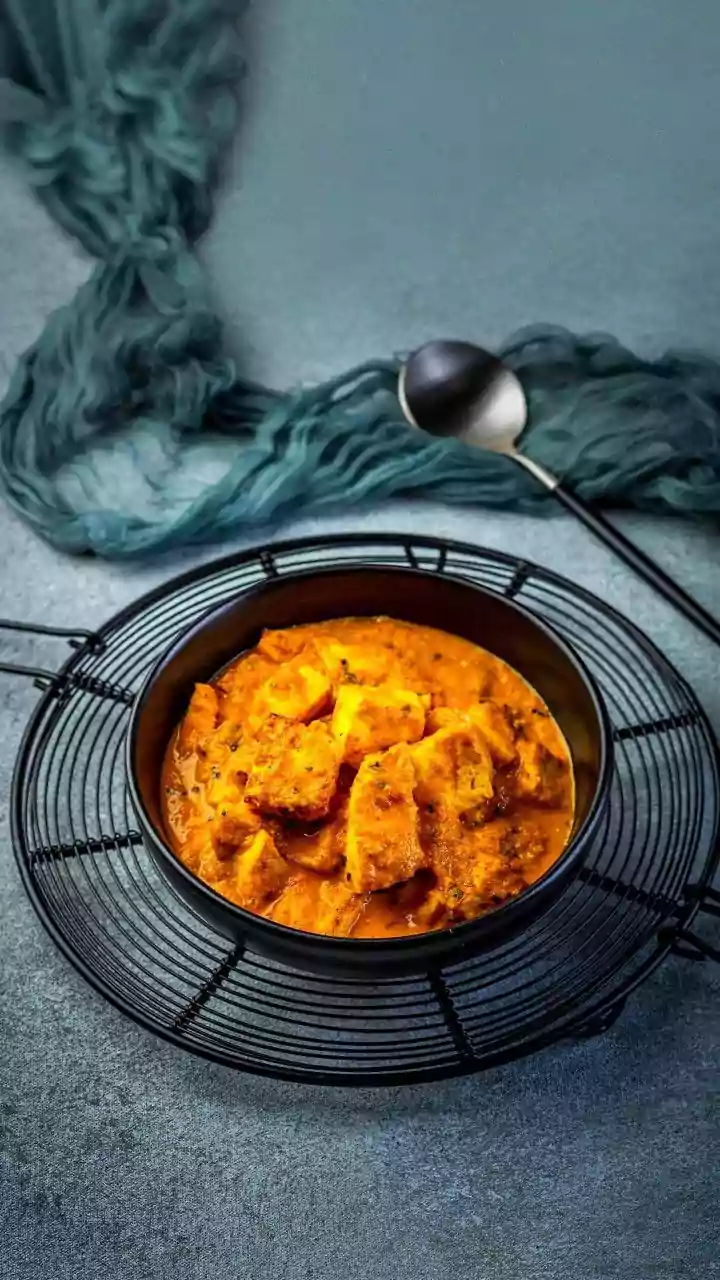
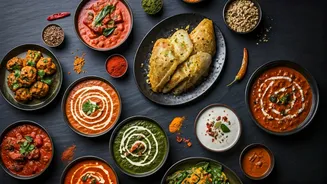
For decades, the American understanding of “Indian food” has been overwhelmingly dominated by the rich, tomato-and-cream-based gravies of Punjab and North India. Think chicken tikka masala, butter chicken, and palak paneer. While undeniably delicious,
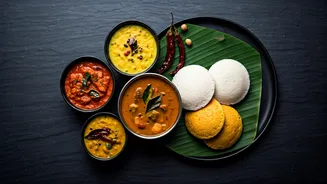
this is like judging all American food by only eating cheeseburgers. It’s a single, powerful story that has, until recently, overshadowed a vast and diverse culinary landscape. Now, a new chapter is being written, one that’s lighter, brighter, and laced with the intoxicating aroma of coconut, curry leaves, and tempered spices. This is the food of South India—from the coastal states of Kerala and Goa to Tamil Nadu and Karnataka—and it's offering a profound re-education of the American palate.
The Soul of the South: Coconut
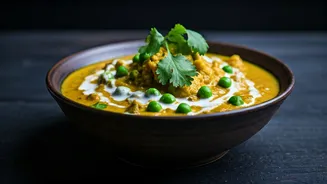
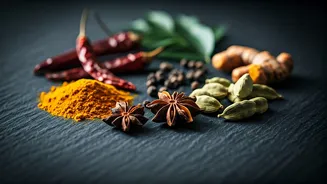
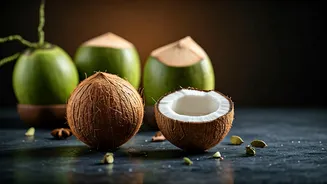
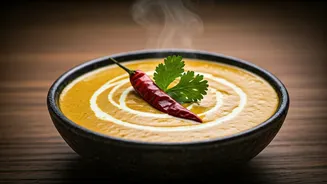
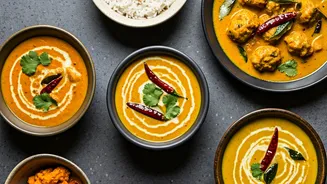
The defining characteristic of many South Indian curries is the liberal and masterful use of coconut. But this isn't just about dumping a can of coconut milk into a pot. In the South, the coconut is a versatile workhorse, used in every conceivable form. Freshly grated coconut might be ground into a paste with green chilies and ginger. Toasted coconut can add a nutty depth. And coconut milk, often extracted in stages (a 'first press' for richness, a 'second press' for a lighter body), creates gravies that are creamy yet ethereal, without the heaviness of dairy. This allows the other star ingredients—the floral perfume of curry leaves, the pop of black mustard seeds, the tang of tamarind, and the sharp heat of fresh chilies—to shine through with stunning clarity.
A Taste of the Regional Stars
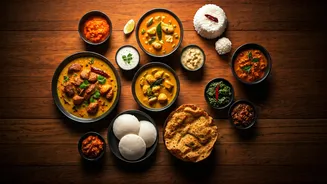
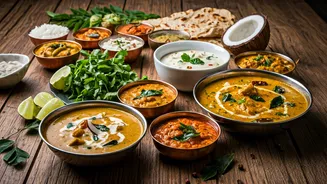
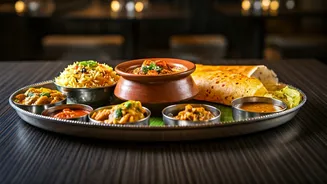
To say “South Indian coconut curry” is still a generalization. The beauty is in the regional specificity. In Kerala, the 'land of coconuts,' you’ll find *ishtew* (a transliteration of 'stew'), a delicate, fragrant, and almost white curry with potatoes, carrots, and meat, gently spiced with whole peppercorns and green chili. It’s often served with *appam*, a lacy rice pancake. Travel to a Chettinad kitchen in Tamil Nadu, and you’ll find fiercely complex spice blends featuring star anise and black stone flower. A classic *meen moilee*, a Keralan fish curry, uses thin coconut milk to gently poach fish before it's finished with thick coconut milk and a hint of vinegar or lime, creating a dish that is simultaneously rich and light. Then there's *avial*, a thick stew of mixed vegetables bound with coconut, yogurt, and cumin, which is a staple of festival feasts. Each dish tells a story about its specific place of origin.
So, Why Now?
Several forces are converging to give South Indian cuisine its long-overdue moment. Second-generation Indian-American chefs are proudly exploring and elevating the regional foods they grew up with, moving beyond the standard restaurant playbook. Food media and Instagram have also played a role; the vibrant colors and unique presentation of dishes like appam and avial are undeniably photogenic. Furthermore, as American diners become more culinarily adventurous, the desire for authenticity and novelty has grown. People are actively seeking regional specificity, whether it’s in Italian pasta or Indian curry. Add to this a general wellness trend that has embraced coconut milk as a healthy, dairy-free alternative, and you have the perfect storm for South Indian food to be crowned the new king of 'cool.'