
Choose Your Champion Climber
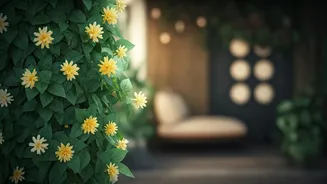
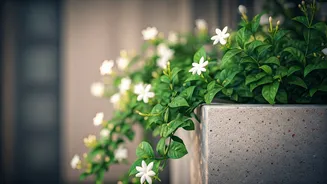
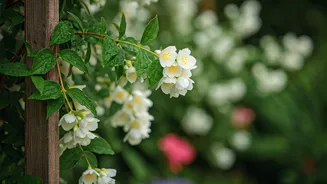
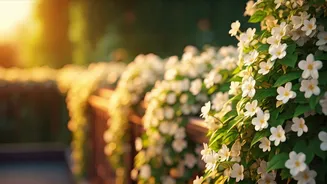
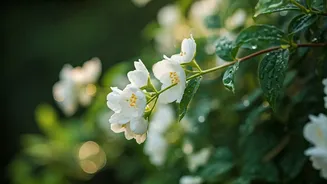
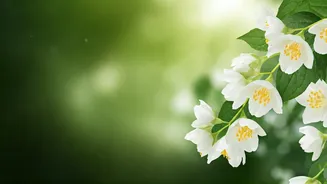
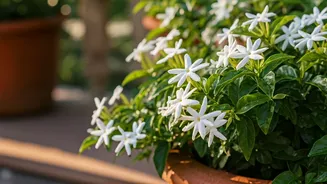
Not all jasmine is created equal, especially when it comes to climbing. For that classic, sweet-smelling vine, you have two primary stars. The first is Star Jasmine (Trachelospermum jasminoides). Technically not a true jasmine, this evergreen vine is a workhorse,
beloved for its glossy dark leaves and profusion of powerfully fragrant, star-shaped white flowers in late spring and early summer. It’s vigorous and relatively easy to care for. Your other main option is Common White Jasmine (Jasminum officinale), also known as Poet's Jasmine. This is a true jasmine, a deciduous vine that produces delicate, intensely fragrant flowers from late spring through early autumn. Its scent is often described as richer and more complex than Star Jasmine. When selecting, consider your climate. Star Jasmine is generally hardier (thriving in USDA zones 8-10), while Poet’s Jasmine prefers slightly warmer climates but can be grown in containers and protected in cooler zones.
The Right Foundation: Pots and Soil
A balcony garden’s success starts with the container. Your jasmine will grow into a substantial vine, so don't start with a tiny pot. Choose a container that’s at least 18-24 inches in diameter and just as deep. This gives the roots ample room to grow, preventing the plant from becoming root-bound and stressed. The material matters less than the size, but terra cotta can dry out quickly in full sun, while plastic or fiberglass retain moisture better. Whatever you choose, drainage is non-negotiable. Ensure your pot has several large holes at the bottom. Fill it with a high-quality potting mix, not garden soil, which is too dense and can compact in a container, suffocating the roots. A good mix designed for outdoor containers will provide the right balance of aeration, moisture retention, and nutrients to get your jasmine off to a strong start.
Training Your Vine to Climb
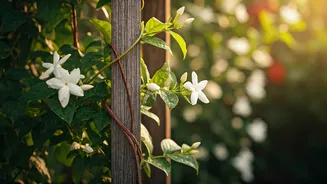
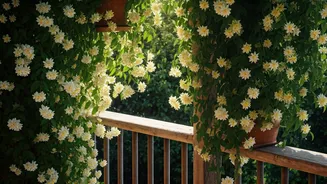
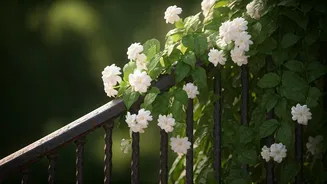
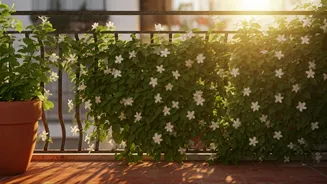
Jasmine doesn’t have suction cups like ivy; it climbs by twining its long, flexible stems around a support. Your balcony railing is the perfect built-in trellis, but the vine needs a little help to get started. When you first plant your jasmine, gently unwind a few of its longest stems and weave them through the bottom rungs of your railing. You can use soft plant ties, twine, or even strips of old t-shirts to loosely secure the stems in place. Don't tie them too tightly, as the stems will thicken over time. As the vine grows, continue to guide new shoots, tucking and weaving them around the railings in the direction you want them to grow. This gentle training encourages the plant to grab hold on its own and begin its vertical journey. Within a season or two, it will start to look like it was born to be there.
A Simple Regimen of Sun, Water, and Food
Jasmine thrives and, more importantly, flowers best in full sun—at least six hours of direct sunlight per day is ideal. An east- or south-facing balcony is perfect. If your balcony is shadier, your plant will still grow, but you may see fewer blooms. Watering is a balancing act. Jasmine prefers consistently moist but not waterlogged soil. A good rule of thumb is to water thoroughly whenever the top inch or two of soil feels dry to the touch. In the heat of summer, a container plant on a sunny balcony might need watering every day. During the cooler months, you can scale back. To keep your vine blooming profusely, feed it with a balanced liquid fertilizer (one high in phosphorus, the middle number on the N-P-K label) every two to four weeks during the growing season, from spring through fall.