






The New Digital Apprenticeship
For decades, the path to becoming a personal trainer was straightforward: get certified, find a job at a local gym, and slowly build a client list. Today, that model has been turned on its head. The new entry point isn't the gym floor; it's the smartphone
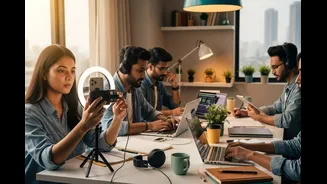
screen. Aspiring coaches now often begin as content creators, building an audience on platforms like Instagram, TikTok, and YouTube. They share free workouts, meal prep ideas, and motivational posts, establishing not just a following, but a community that trusts their voice. This content-first approach acts as a digital apprenticeship. It allows them to hone their communication style, identify a niche (e.g., postpartum fitness, senior mobility), and build a loyal audience that already views them as a source of fitness authority. This audience then becomes the perfect pool of potential clients once the creator decides to professionalize.
From Influencer to Insured Professional
Having a million followers doesn't make you a qualified coach. This is the critical juncture where the pipeline gets serious. While a large audience provides a massive business advantage, top creators understand that credibility and safety are paramount for long-term success. This is where certification comes in. Pursuing credentials from respected bodies like the National Academy of Sports Medicine (NASM) or the American Council on Exercise (ACE) is a crucial step. Certification isn't just about learning anatomy and physiology; it's a matter of risk management. It provides the legal and ethical framework for working with clients, a prerequisite for obtaining liability insurance, which is non-negotiable for anyone providing paid fitness advice. This move separates the serious professional from the casual influencer. It signals to their audience: 'I've built this community, and now I've invested in the formal expertise to serve you safely and effectively.'
Why This Model is Exploding Now
This trend is the result of a perfect storm of cultural and technological shifts. First, the creator economy has normalized the idea of individuals monetizing their personal brand and expertise. Audiences now expect and want to support their favorite creators directly. Second, the pandemic accelerated the shift toward virtual and hybrid fitness, making clients more comfortable with receiving coaching online. This broke the geographic constraints of traditional personal training. A coach in Ohio can now train a client in California. Finally, there's a growing demand for authenticity. Consumers are often more drawn to a relatable creator they've followed for years than a stranger at a corporate gym. The creator has already built rapport and trust, which is the cornerstone of any successful coaching relationship. This combination makes the content-to-coaching model not just viable, but in many ways, more potent than the traditional approach.
The Challenges of the Pipeline
While appealing, this career path is far from a guaranteed success. The pressure is immense. Creators-turned-coaches must essentially run two businesses at once: a content creation machine to keep the audience engaged and a client-focused coaching practice. The former demands constant creativity and engagement with social media trends, while the latter requires deep focus, personalization, and administrative work. Burnout is a significant risk. Furthermore, the very nature of building a personal brand means the business is inextricably linked to the individual. A vacation or personal crisis can disrupt the entire operation. There's also the challenge of standing out in an increasingly saturated market. As more people follow this path, the need to have a truly unique value proposition—backed by legitimate, evidence-based knowledge—becomes even more critical for sustainable success.