



1. Replace Your Wiper Blades
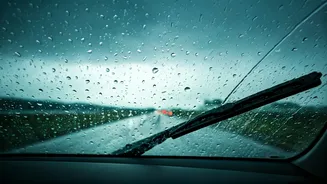
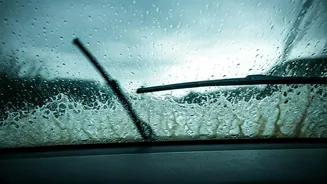
This is the single most important and affordable preparation you can make. Windshield wipers in sunny climates bake and degrade under constant UV exposure, becoming brittle and useless. You may not notice their poor condition until you’re suddenly blinded
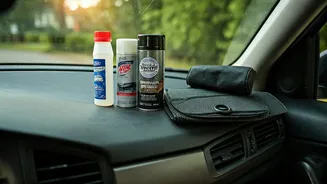
by a sheet of rain. A fresh pair of high-quality wiper blades will clear your view effectively, allowing you to see hazards. While you're at it, top off your windshield washer fluid. The mud and grime kicked up by a monsoon storm can turn your windshield into an opaque mess that only wipers and fluid can solve.
2. Check Your Tire Tread and Pressure
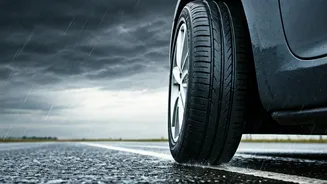
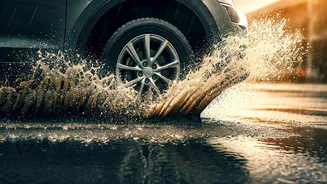
Your tires are your only connection to the road, and their ability to grip is severely compromised on wet surfaces. Hydroplaning—when your tires ride on a thin layer of water instead of the pavement—can happen at speeds as low as 35 mph. Worn tires with shallow tread can't channel water away effectively, making hydroplaning almost inevitable. Use the classic "penny test": place a penny upside down in your tire tread. If you can see the top of Lincoln's head, your tires are dangerously worn and need replacement. Also, ensure your tires are inflated to the manufacturer's recommended pressure, which you can find on a sticker inside the driver's side doorjamb.
3. Test All Your Exterior Lights
During a monsoon, visibility drops to near zero, not just from rain but also from the dust storms (haboobs) that often precede it. Your lights help you see and, just as importantly, help other drivers see you. Have a friend help you check that your headlights (both low and high beams), taillights, brake lights, and turn signals are all functioning correctly. If your headlights are hazy or yellowed from sun damage, use a restoration kit or have them professionally cleaned to maximize their brightness.
4. Understand the Danger of Flash Floods
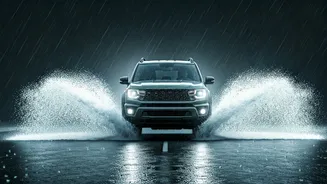
The National Weather Service’s slogan, "Turn Around, Don't Drown," exists for a grimly practical reason. It takes only six inches of moving water to knock an adult off their feet, and just 12 inches to sweep away a small car. Two feet of rushing water can carry away most vehicles, including SUVs and trucks. City streets and low-lying areas can become raging rivers in minutes. Never assume you can gauge the water's depth or strength. The road underneath may be washed out. The safest choice is always to find an alternate route or wait for the water to recede.
5. Know How to Handle a Dust Storm
In the Southwest, a wall of dust, or haboob, often signals the leading edge of a monsoon. If you see one approaching while driving, do not try to outrun it. Your immediate goal should be to get off the roadway. Pull your vehicle as far to the right as possible, turn off your engine, engage the parking brake, and—this is crucial—turn off all your lights. Leaving your lights on can cause other drivers, who are also struggling to see, to mistake your taillights for the vehicle they should be following, leading to a rear-end collision. Wait out the storm with your seatbelt on.
6. Assemble a Basic Emergency Kit
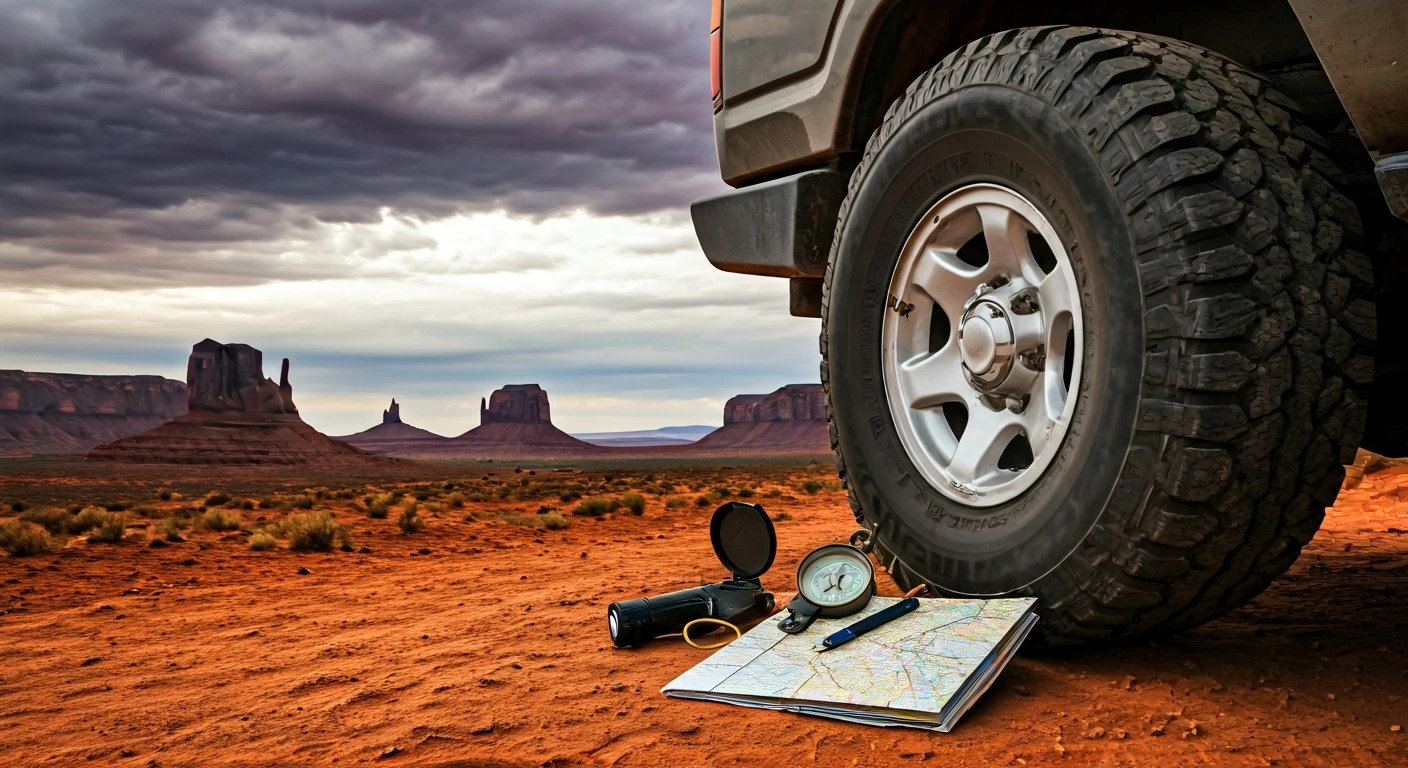
If you do get stranded, having a few key items can make a huge difference. Your car's emergency kit should be accessible and prepared before the season starts. Include essentials like a flashlight with extra batteries, a first-aid kit, a portable phone charger or power bank, drinking water, and non-perishable snacks. A blanket and a rain poncho are also wise additions, as a stalled car can get cold quickly in a downpour, even during summer.
7. If You Stall in Water, Get Out
If your car stalls in rising water, your priority is your safety, not the vehicle's. If the water is not moving quickly, open a door and move to higher ground immediately. If the water is rising fast and you can't open the doors due to pressure, you may need to break a window. Aim for a side window, not the windshield, which is made of laminated glass. Once you are out of the vehicle, do not stay with it. Get to a high, safe location and call for help.