


The Uninterrupted Photo Op
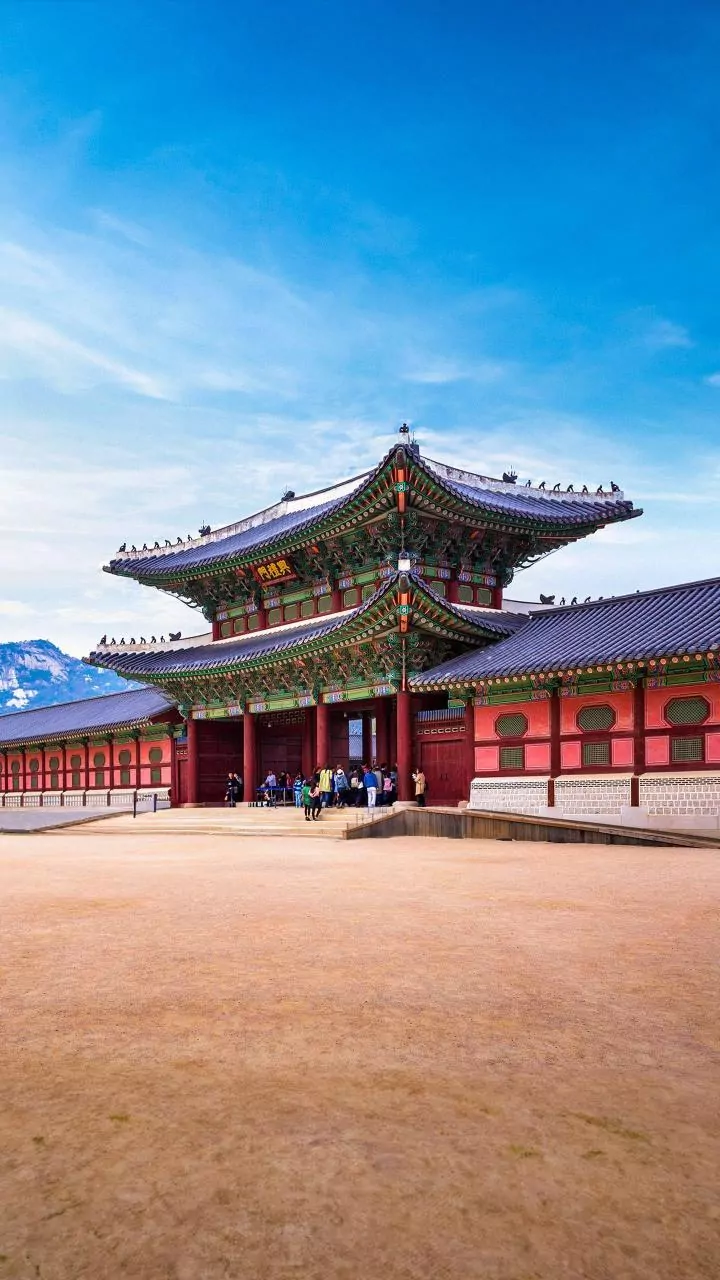
Let’s be honest: a huge part of travel today is capturing the moment. But it’s hard to capture a serene temple, a dramatic canyon, or a pristine beach when you’re fighting a hundred other selfie sticks for the same shot. Enter monsoon travel. The so-called
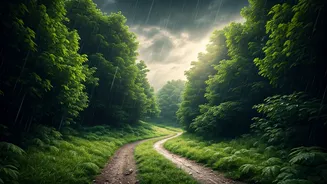
“bad” weather is a natural crowd deterrent, leaving iconic spots surprisingly empty. Suddenly, you’re not just taking a picture of a landmark; you’re composing a shot. The light is different, too. Instead of harsh, flattening midday sun, you get the soft, diffused light of an overcast day or the dramatic, moody skies of an approaching storm. Colors pop. The atmosphere is thick. Your photos look less like a generic postcard and more like a frame from an art-house film, making them infinitely more compelling—and shareable—on your feed.
Nature in Hyper-Vivid Mode
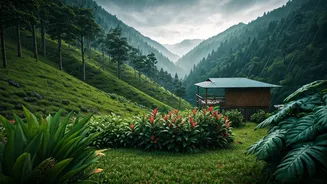
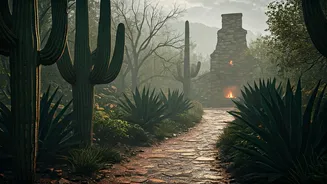
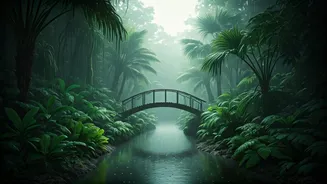
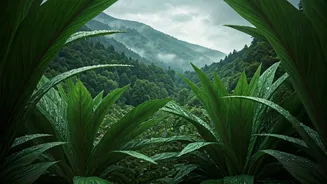
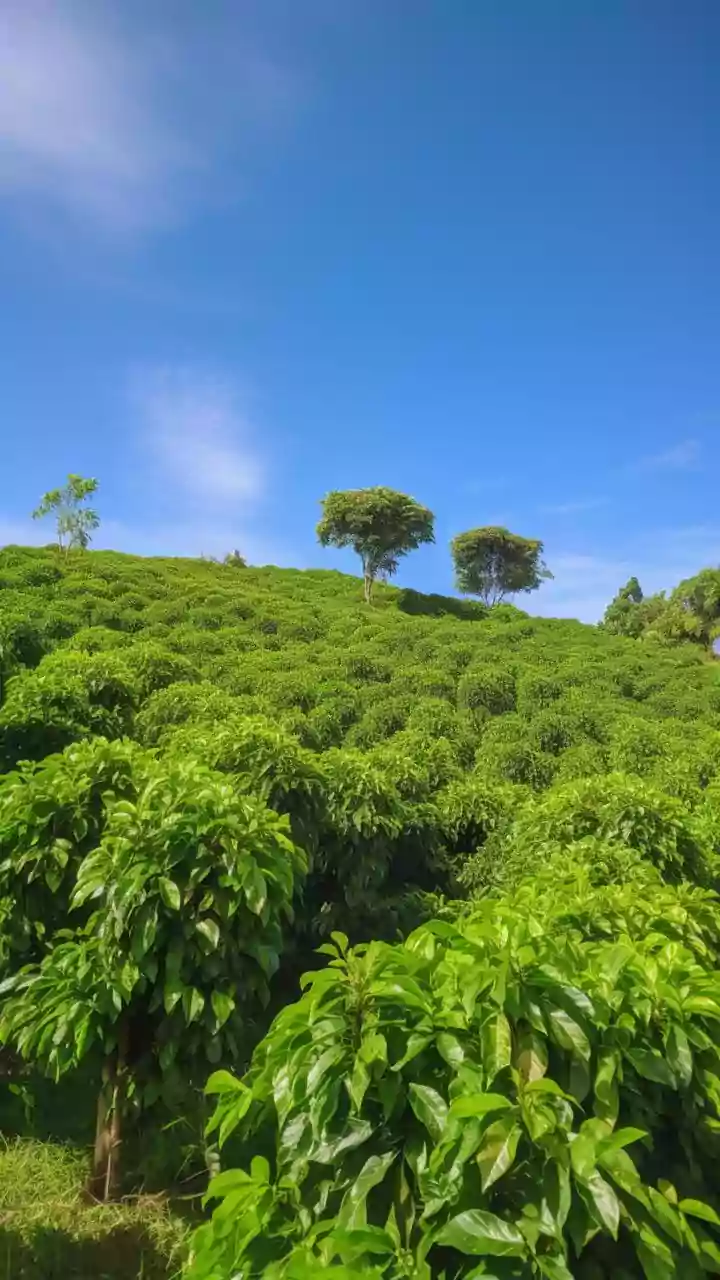
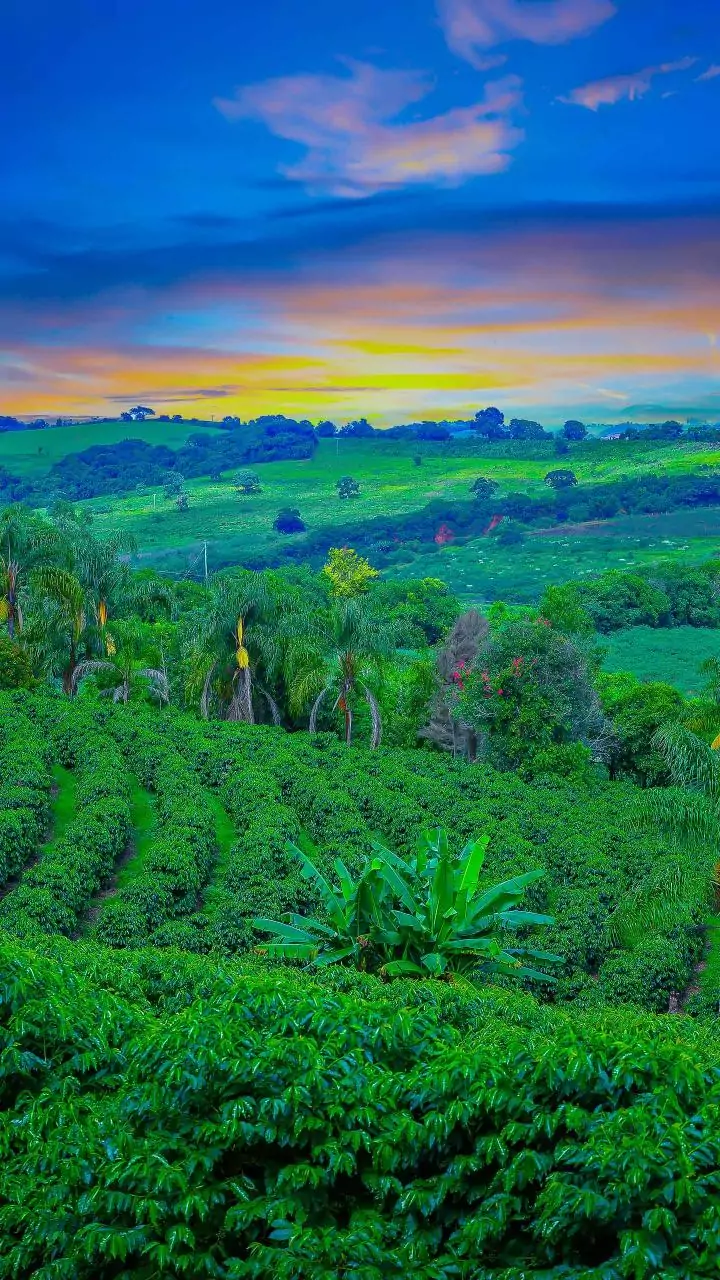
The term “rainy season” does a disservice to the transformation that happens. In tropical destinations like Thailand or Costa Rica, the monsoon turns the landscape into a riot of electric green. Dust is washed away, waterfalls that are mere trickles in the dry season become roaring spectacles, and the air feels clean and alive. This isn’t just a backdrop; it’s an event. Even closer to home, the North American monsoon that hits states like Arizona and New Mexico from June to September performs a similar miracle. The desert, typically painted in dusty ochres and browns, suddenly explodes with wildflowers and green grasses. The dramatic afternoon thunderstorms, with their incredible lightning shows over the mesas and canyons, are a destination in themselves for photographers and nature lovers seeking a more dynamic and powerful version of the American West.
A Forced Deceleration and Cozier Vibe
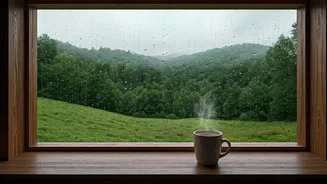
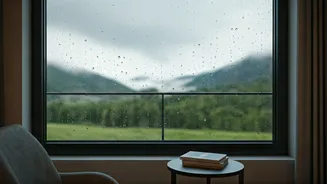
Peak tourist season often comes with a frantic energy—a rush to see everything, do everything, and beat the crowds to everything. Monsoon season flips the script. An afternoon downpour isn’t a ruined day; it’s a mandatory break. It’s an excuse to linger for another hour in a cozy café, to read a book on a covered porch while listening to the rain, or to have a deep conversation without feeling the pressure to move on to the next attraction. The entire pace of a destination slows down. The heat and humidity often break after a storm, leaving evenings cool and fresh. This enforced pause creates a more reflective, relaxing, and intimate travel experience that the high-season hustle simply can’t match.
Your Wallet Will Thank You
Beyond the aesthetics and the vibe, there’s a powerful practical reason to embrace the clouds: it’s dramatically cheaper. Because it’s considered the “off-season,” airlines and hotels slash their prices to attract visitors. The luxury resort that felt laughably out of reach in January might suddenly be affordable in July. This financial breathing room changes the whole texture of a trip. You can stay longer, upgrade your room, or splurge on high-end meals and experiences you would have otherwise skipped. Securing reservations at that world-famous restaurant or booking a sought-after tour becomes effortless. The lower financial barrier makes adventurous, high-quality travel more accessible to more people.
A More Authentic, Local Experience
When the hordes of tourists recede, the true character of a place often re-emerges. Shopkeepers have more time to chat, guides might offer more personalized tours, and the people you meet in restaurants and bars are more likely to be locals. You’re no longer just another face in a massive crowd being processed through a tourism machine. This shift often leads to more spontaneous and genuine interactions that become the most cherished memories of a trip. You’re seeing the destination as its residents see it, complete with its own seasonal rhythms—rain included. It’s a chance to connect with a place on its own terms, not just the idealized, sun-drenched version sold in brochures.