


The New Emotional Menu
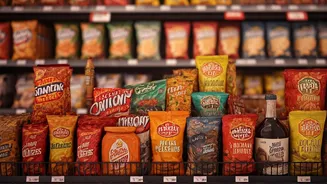
For decades, the snack food game was simple: create a craveable flavor, put it on a chip or a cookie, and sell millions. The descriptions were literal—they told you what was in the bag. But a new trend is taking over, driven by a desire for novelty and experience
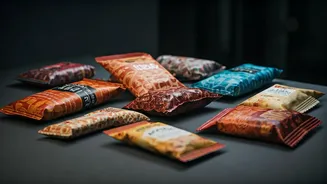
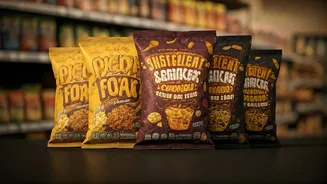
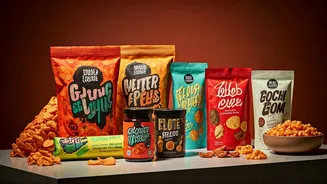
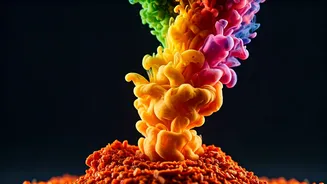
over mere sustenance. Major players like Lay’s and Oreo, along with smaller, digitally-native brands, are launching products with abstract names that evoke a mood, a memory, or an abstract concept. We're seeing everything from 'Cosmic' cookies to chips that promise the flavor of a summer music festival. This isn't about accurately replicating the taste of 'joy'; it's about selling the *idea* of joy, packaged with a unique combination of colors, spices, and marketing language that gives you permission to imagine it.
From Flavor to Feeling
So, why the shift? The strategy is a direct response to a changing consumer, particularly Millennials and Gen Z, who prioritize experiences over possessions. In the 'experience economy,' a bag of chips can’t just be a salty snack; it needs to be an event. Marketers have figured out that linking a product to an emotion is far more powerful than just describing its ingredients. A flavor named 'Zesty Ranch' appeals to your taste buds, but one named 'Road Trip' appeals to your identity, your memories, and your aspirations. It transforms a mundane purchase into a small act of self-expression or escapism. This is especially effective in the age of social media, where a bizarre or intriguing snack is a piece of shareable content. Unboxing a bag of 'Unicorn Sparkle' popcorn is more than a snack—it’s a post, a story, a conversation starter.
The Science of Suggestion
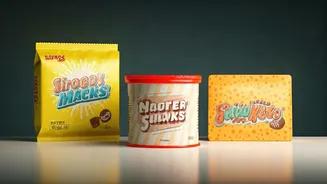
Of course, a brand can’t actually distill the feeling of 'serenity' and put it in a potato chip. The magic is in the power of suggestion. The process works by priming your brain. It starts with the name and the packaging—vibrant, psychedelic colors for a 'cosmic' flavor, or warm, earthy tones for a 'cozy' one. Then comes the flavor profile itself, which is engineered to be suggestive. A 'sunny' flavor might be bright and citrus-forward. A 'dreamy' flavor could have notes of lavender and vanilla. The taste doesn't have to be a perfect match for the feeling; it just has to be unfamiliar enough to not contradict the suggestion. Your brain, guided by the marketing, does the rest of the work, filling in the gaps and connecting the novel taste to the abstract concept you were promised. It’s a brilliant psychological trick disguised as a snack.
Limited Time, Unlimited Hype
You may have noticed that many of these emotional flavors are here today, gone tomorrow. That’s a core part of the business strategy. For behemoths like Frito-Lay or Nabisco, their core products—classic Lay’s, original Oreos—are sacred cash cows. They can’t afford to alienate their base by permanently changing a beloved formula. But Limited-Time Offerings (LTOs) are the perfect R&D playground. They allow brands to be playful, experimental, and trend-responsive without any long-term risk. These LTOs generate massive buzz and free media attention. They create a sense of urgency and FOMO (fear of missing out), driving shoppers to buy and try before the product disappears. If an experimental flavor is a huge hit, it provides valuable data. If it flops, it vanishes without a trace, leaving behind only a trail of curious Instagram posts.