




The Real Risk in Your Urban Jungle
For a pet, a new houseplant can look like an intriguing toy or a tasty snack. Unfortunately, that curiosity can be dangerous. Many of the most popular houseplants—from the elegant lily to the trendy fiddle-leaf fig—contain compounds that are toxic to cats
and dogs. Ingesting even a small amount of a leaf or flower can lead to symptoms ranging from mild mouth irritation and drooling to severe gastrointestinal distress, and in the worst cases, kidney failure or death. The American Society for the Prevention of Cruelty to Animals (ASPCA) fields tens of thousands of calls about potential pet poisonings each year, with plants being a common culprit. This isn't about fear-mongering; it's about awareness. Being a 'smart' plant parent means understanding this risk and designing your space to eliminate it, ensuring your home remains a safe haven for every member of your family, furry ones included.
The 'Yes' List: Stylish and Safe Plants
The best defense starts with a good offense: choosing plants that are verified as non-toxic. Luckily, the pet-safe list is long and filled with beautiful, low-maintenance options that don't compromise on style.
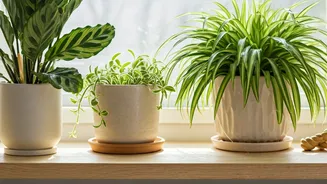
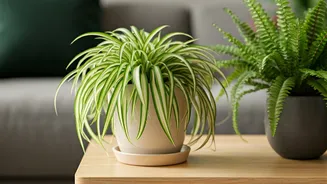
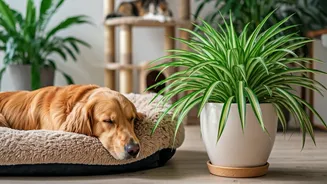
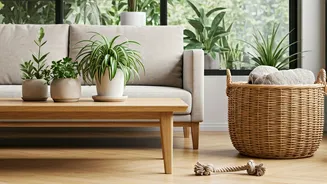
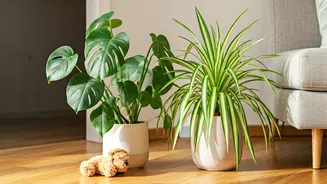
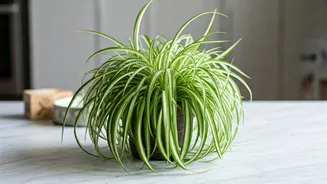
- Spider Plant (Chlorophytum comosum): A retro classic for a reason. Its arching leaves and cascading 'spiderettes' are perfect for hanging baskets, keeping them naturally out of reach while adding dynamic, vertical interest.
- Calathea Family (Prayer Plants): Known for their stunning, ornate foliage with intricate patterns of green, pink, and cream, these plants are completely pet-safe. They add a pop of color and texture to any shelf.
- Boston Fern (Nephrolepis exaltata): With its lush, feathery fronds, the Boston Fern brings a touch of woodland elegance indoors. It thrives in humidity, making it a great choice for a bathroom or kitchen, and is perfectly safe for curious pets.
- Haworthia (Zebra Plant): If you love the look of succulents but worry about spines or toxicity, Haworthia is your answer. These small, spiky-looking plants have a dramatic, modern aesthetic but are harmless to pets.
Design Is Your Best Defense
Beyond choosing the right species, your smartest move is using interior design principles to create a pet-proof environment. This is where you can get creative.
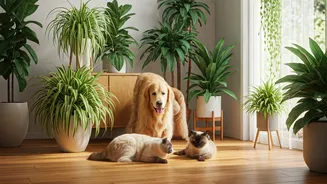
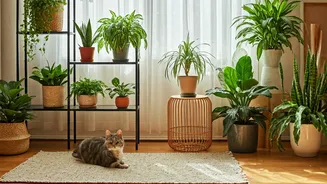
First, think vertically. Use hanging planters, high shelving, and wall-mounted pots to elevate plants well out of a pet’s reach. This strategy not only protects your furry friends but also draws the eye upward, making a room feel larger and more dynamic. A trailing Spider Plant or String of Turtles (another safe choice) looks fantastic cascading from a high perch.
Second, create physical barriers. A beautiful glass cloche or a modern terrarium can showcase a delicate plant while keeping it completely enclosed. Grouping plants together on a dedicated plant stand or a raised bench can also create a 'no-go' zone that’s easier for you to monitor and for your pet to understand.
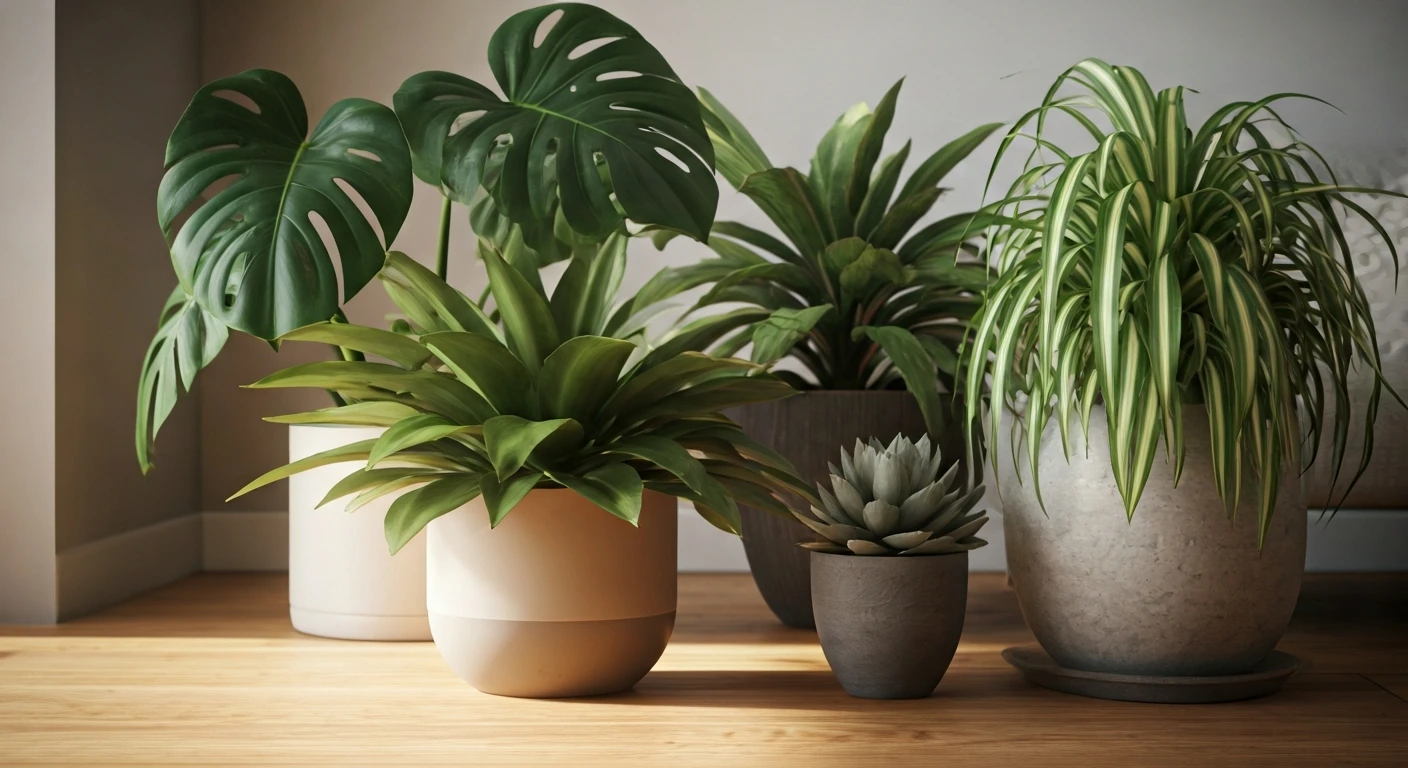
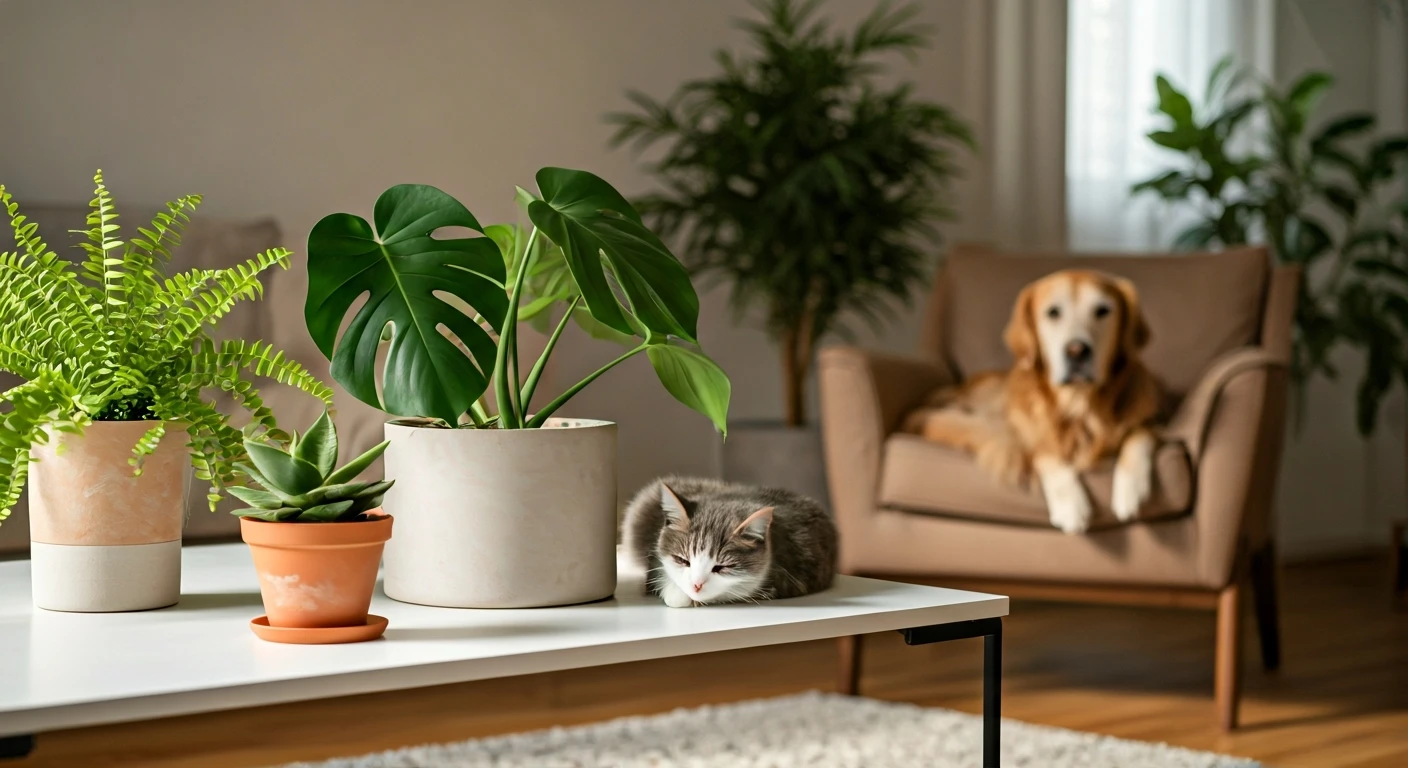
Finally, consider weight and stability. If you have plants at a lower level, use heavy ceramic or concrete pots that a rambunctious dog or cat can't easily knock over. A spilled pot means spilled soil, which can contain fertilizers or other chemicals that are also harmful if ingested.
The 'Hard Pass' List: Common but Toxic
Knowledge is power, and knowing which popular plants to avoid is just as important as knowing which to welcome. When shopping, be vigilant about these common culprits, which are frequently found in homes and floral arrangements:
- All Lilies (Lilium and Hemerocallis): For cats, these are exceptionally dangerous. Ingesting any part of the plant, or even drinking water from its vase, can cause acute kidney failure. They are a non-negotiable 'no' in any home with cats.
- Sago Palm (Cycas revoluta): This popular ornamental looks like a mini palm tree but is highly toxic to both cats and dogs. The seeds are the most poisonous part, and ingestion can lead to liver failure.
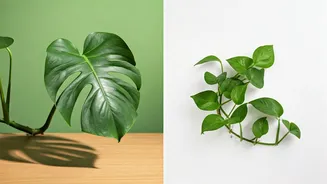
- Pothos & Philodendron: These trailing beauties are everywhere, but they contain calcium oxalate crystals that cause intense burning and irritation of the mouth, lips, and tongue, plus vomiting and difficulty swallowing.
- Snake Plant (Sansevieria trifasciata): While only mildly toxic, it can cause nausea and vomiting if eaten. Given the abundance of completely safe alternatives, it's often best to skip this one.