

The Great Un-Snackening
For the better part of a decade, the narrative around snacking was one of relentless optimization. We were told to swap potato chips for kale chips, cookies for protein balls, and sugary drinks for kombucha. The rise of wellness culture, coupled with
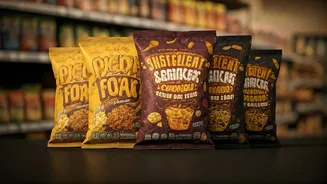
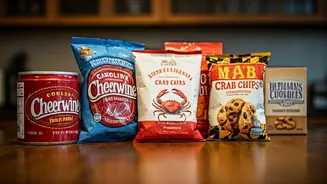
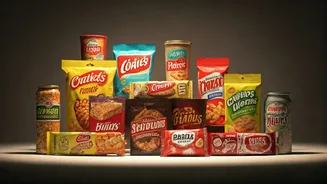
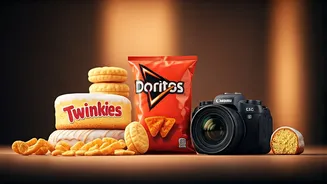
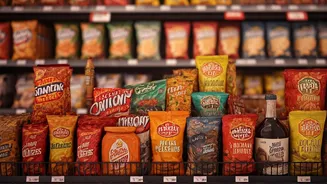
an influx of artisanal, organic, and globally-inspired options, pushed legacy brands like Hostess, Little Debbie, and Frito-Lay into a corner. They weren't 'clean,' they weren't 'functional,' and they certainly weren't Instagrammable in the same way an açai bowl was. These snacks became associated with a less-discerning, bygone era—reliable and ever-present, but hardly aspirational. They were pantry staples, not cultural statements.
A Deep Craving for Comfort
So, what changed? In a word: everything. After years of social, political, and economic turbulence, the collective appetite for relentless self-improvement has waned. We're tired. And when we're tired, we don't want a challenge; we want comfort. The snacks of our youth offer a powerful, edible form of nostalgia. A single bite of a Cosmic Brownie or a handful of Goldfish crackers can transport us back to a simpler time. This isn't just about flavor; it's about emotional safety. In an unpredictable world, the unwavering consistency of a Twinkie is a small, golden anchor. It’s a low-stakes, reliable source of simple joy, with no performative wellness attached.
The Economic Sweet Spot
Let’s not forget the practical appeal. As grocery bills climb, the economic case for traditional snacks becomes undeniable. A $15 bag of gluten-free, paleo-friendly granola bites feels increasingly out of touch when a box of Cheez-Its offers more servings for a fraction of the price. These snacks are, and have always been, a democratic pleasure. Their affordability makes them accessible to everyone, providing a small indulgence that doesn't require a deep dive into your budget. In an era of 'quiet luxury' and economic anxiety, the straightforward, unpretentious value of a sleeve of Oreos has become its own form of status.
How TikTok Made It Trendy
Of course, a modern comeback isn't complete without a social media catalyst, and for retro snacks, that engine is TikTok. Gen Z, a generation too young to have experienced these foods the first time around without a filter of parental judgment, is discovering and deconstructing them with ironic glee. They're creating new 'recipes' (like crushing Doritos on mac and cheese), ranking Little Debbie cakes with the seriousness of a food critic, and sharing their first-ever taste of a Hostess fruit pie. This digital rediscovery strips the snacks of their old cultural baggage and reframes them as fun, versatile, and worthy of conversation. The brands aren't just being consumed; they're being remixed.
A Delicious Rebellion Against Wellness
Ultimately, the return of the traditional snack is a quiet, delicious rebellion. It’s a pushback against the cult of optimization that told us every calorie had to be earned or 'clean.' Enjoying a yellow cupcake with a stiff frosting swirl isn't a moral failing; it's just… enjoying a cupcake. This trend signals a broader cultural fatigue with the pressure to be perfect. It’s a collective exhale and a decision to embrace imperfection, simple pleasures, and the occasional dose of artificial flavoring. The coolest thing you can do, it turns out, is to stop worrying about being cool and just eat the damn cookie.