




From Gym Bag to Desk Drawer
It wasn’t long ago that the office snack landscape was a predictable terrain of breakroom donuts, vending machine chips, and the occasional sad fruit bowl. But take a walk through any modern American office, and you’ll see a different ecosystem. Stacked
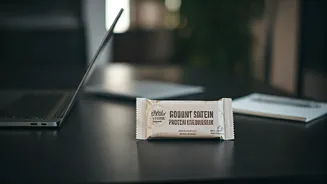
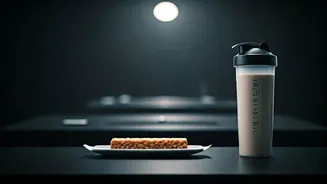
neatly next to laptops are protein bars with sleek, minimalist packaging. Shaker bottles stand ready for a mid-afternoon powder-and-water refuel. The global protein supplements market, once the domain of bodybuilders, has exploded into a multi-billion-dollar industry, and a significant portion of that growth is happening at the workplace. Brands like Quest, ONE, and Barebells have become as common as a coffee mug, replacing the 3 p.m. candy bar with a dense, 20-gram protein brick. This isn’t just a dietary shift; it’s a cultural one. The snack has been upgraded from a guilty pleasure to a tool for peak performance.
The Snack as a Statement
So, why the shift? Because in the theater of the modern office, every choice is a performance. Unwrapping a high-protein bar at your desk is a subtle but powerful piece of personal branding. It says, “I am too busy and important for a leisurely lunch.” It broadcasts a commitment to self-discipline and physical wellness, signaling that you treat your body like a well-oiled machine built for productivity. While a bag of chips might suggest a moment of weakness or boredom, a protein bar telegraphs intent and control. It’s the edible equivalent of answering emails at 10 p.m. or talking about your weekend marathon training. It's a way to perform 'optimization'—the relentless pursuit of efficiency in all aspects of life, including nutrition. The choice of snack becomes a non-verbal cue about your ambition, your focus, and your alignment with a corporate culture that increasingly values visible effort and self-mastery.
Hustle Culture in a Wrapper
This trend is inextricably linked to the rise of hustle culture and the ‘life-hacking’ ethos that has permeated professional life, especially in tech and finance. If the workday is a competition, then your fuel matters. The protein snack is the perfect culinary companion to this mindset. It’s functional, efficient, and requires no real break. You can consume 200 calories and 20 grams of protein while still typing on Slack. It’s marketed not as food, but as 'fuel.' This language reinforces the idea that the worker is a high-performance engine that requires premium inputs for maximum output. It’s a stark contrast to the communal, social function that food has traditionally played. The protein bar is an individualist’s meal—consumed alone, at the desk, in service of getting more done. It quietly endorses a work culture where breaks are for the weak and constant readiness is the gold standard.
The Slow Death of the Power Lunch
The rise of the desk-side protein snack also marks the symbolic decline of another, older status symbol: the power lunch. For decades, a long, expensive lunch was the ultimate display of corporate clout. It was where deals were made, relationships were built, and hierarchies were reinforced. It was inefficient by design, a flex of one’s ability to take two hours out of the day. Today, that kind of deliberate inefficiency can be seen as a liability. The new status symbol is to be so essential, so deep in the flow of work, that you can’t possibly step away. The protein bar is the antithesis of the power lunch—it’s fast, solitary, and all about maximizing time. While the power lunch was about external networking and social performance, the protein snack is about internal optimization and individual performance. The shift represents a fundamental change in what we value in a professional: from the smooth-talking relationship-builder to the hyper-focused, relentlessly productive 'doer.'