



The Clash of Two Worlds
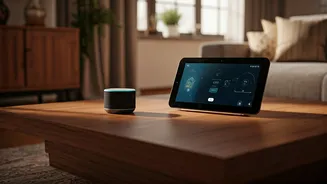
For years, the gold standard for a “smart home” looked like it was teleported from a Cupertino keynote. Think stark white walls, minimalist furniture, and screens—so many screens. The technology was the centerpiece, a statement of modernity. But in the vibrant,
layered, and historically rich context of Indian homes, this aesthetic often lands with a thud. An Indian home is typically not a sterile gallery; it’s a living, breathing space often shared by multiple generations. It’s a place of warmth, intricate patterns, and textures—from hand-carved wooden furniture and rich silk textiles to the shimmer of brass heirlooms. The idea of placing a cold, black plastic box on a treasured rosewood console feels less like an upgrade and more like an intrusion. This isn't a rejection of technology itself, but a powerful pushback against its default packaging. The demand is for technology that serves the home's atmosphere, rather than dominating it.
The Art of Invisible Integration
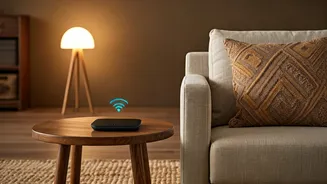
So, how are designers achieving this blend of ancient warmth and modern convenience? The answer lies in sophisticated, almost invisible, integration. Instead of a smart speaker sitting on a counter, it might be built directly into a custom-milled wooden ceiling panel or hidden behind acoustically transparent fabric art. Wires disappear into walls and behind bespoke cabinetry that echoes traditional Indian craftsmanship. Smart lighting is a key player, but not for creating a futuristic disco. It’s used to mimic the warm glow of dusk, highlight the texture of a stone wall, or create soft, inviting pools of light around seating areas. Motorized blinds are concealed within traditional window cornices, and climate control systems are managed through discreet, brass-finished panels rather than glaring plastic thermostats. The goal is to deliver the function of technology without the visual noise, making the home feel effortlessly intelligent rather than overtly “smart.”
Material Warmth in a Digital Age
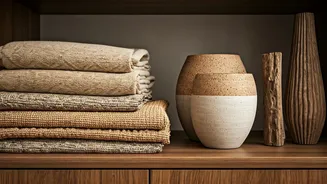
This movement is as much about materials as it is about technology. To counteract the inherent coldness of glass and metal screens, designers are doubling down on natural, tactile surfaces. We’re seeing a surge in the use of reclaimed wood, polished concrete infused with warm pigments, and locally sourced stone like sandstone and marble. Metals are chosen for their patina and warmth—not chrome, but burnished brass, copper, and bronze, which have deep roots in Indian decorative arts. These materials are used for switch plates, speaker grilles, and even custom casings for digital devices. Textiles are the final, critical layer. Heavy linen curtains, hand-loomed wool rugs, and plush velvet upholstery absorb sound and soften the hard edges of a room, creating a cocoon of comfort that no amount of technology can replicate on its own. By surrounding the tech with these organic elements, the home retains its sensory richness.
A Philosophy of Human-Centered Tech
Ultimately, this trend is about more than just aesthetics; it’s a philosophical stance. It reframes the role of technology in the home from a master to a servant. In many Western tech-forward designs, the home adapts to the technology. Here, the technology must adapt to the home and its inhabitants. This aligns with ancient Indian design principles like Vastu Shastra, which emphasizes harmony, energy flow, and a connection to nature. A home isn't just a machine for living; it’s a sanctuary for family, celebration, and rest. The technology within it should support those functions quietly and intuitively. This approach ensures that as our homes get smarter, they also remain deeply human. It’s a powerful lesson in making sure our tools enhance our lives without erasing our culture and comfort.