



1. Your Tires
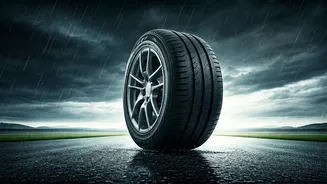
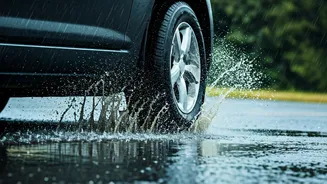
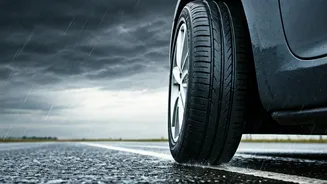
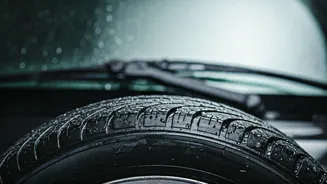
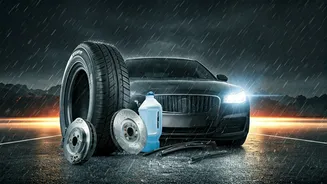
This is the most critical checkpoint. Your tires are the only part of your car that actually touches the road, and their ability to handle water is paramount. In a downpour, the grooves in your tire tread are designed to channel water away, maintaining
grip. If the tread is too worn, your car can 'hydroplane'—literally skimming on a layer of water with a terrifying loss of steering and braking control. Check your tread depth using the penny test: insert a penny into the tread with Lincoln's head upside down. If you can see the top of his head, your tires are dangerously worn and need replacing. Also, ensure they are properly inflated to the manufacturer's recommended PSI, which you can find on a sticker inside the driver's door jamb. Properly inflated tires provide better traction and stability in slick conditions.
2. Windshield Wipers & Fluid
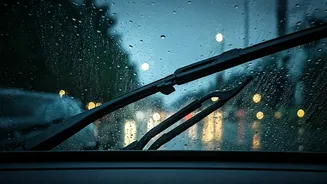
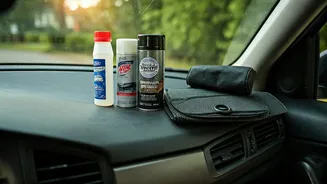
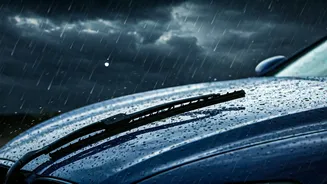
Visibility is life. When a wall of water hits your windshield, you need wipers that can clear it away instantly and effectively. Old, cracked, or hardened rubber wiper blades won't do the job; they'll just smear the water, making a bad situation worse. If your wipers leave streaks or make chattering noises, it's time for a new pair. It's an inexpensive fix that makes a world of difference. While you're at it, top off your windshield washer fluid. A good-quality fluid can help clear away the oily, gritty road spray that kicks up during the first rains of the season, which can be surprisingly difficult to remove with just water.
3. The Brake System
Wet roads significantly increase your car's stopping distance. You need to be confident that your brakes are in top condition to compensate. Squealing, grinding, or a soft, spongy brake pedal are all red flags that demand immediate attention from a mechanic. During a monsoon, you’ll be braking more frequently and sometimes more suddenly. Worn brake pads or low brake fluid can compromise your ability to stop safely. A pre-season brake inspection is a wise investment. A mechanic can check your brake pads, rotors, and fluid levels to ensure they’re ready for the extra demands of wet-weather driving.
4. Battery & Electrical System
Monsoon driving puts a heavy strain on your car’s electrical system. You’re running your headlights, your wipers are on full blast, and your defroster might be working overtime to fight humidity on the windshield. All this drains your battery. Before the season starts, check your battery terminals for corrosion—that fuzzy, whitish-blue buildup. Clean it off with a wire brush to ensure a solid connection. If your battery is more than three years old, have it tested at an auto parts store (most do it for free). A weak battery that struggles on a dry day is a prime candidate for failure in the middle of a torrential downpour, leaving you stranded.
5. Headlights & Taillights
In a heavy monsoon rain, visibility can drop to near zero. Your lights aren't just for you to see—they're for others to see you. Walk around your car and check that all lights are functioning: headlights (both low and high beams), taillights, brake lights, and turn signals. A burned-out bulb is a simple fix, but one that’s easy to overlook. Also, check the plastic headlight covers. Over time, they can become yellowed and hazy, severely reducing the amount of light that gets through. Headlight restoration kits are available at auto parts stores and can make a dramatic improvement in your nighttime and storm-time visibility.
6. Engine Air Filter
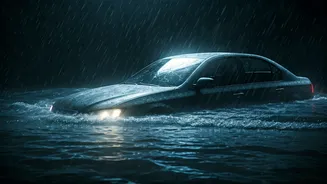
This one is less about the rain and more about the risk of deep, standing water. Your engine 'breathes' through an air intake, which is often located low in the front of the car. If you drive through water deep enough to submerge that intake, your engine can suck water in instead of air. This is called hydrolocking, and it can cause catastrophic, engine-destroying damage. While a clean air filter won't prevent this, knowing its location and condition is part of being monsoon-aware. The real lesson here is to never drive through standing water if you can’t see the bottom. It's often deeper than it looks, and a stalled car in a flash flood is a life-threatening situation.
7. Door and Window Seals
Keeping the outside out is the whole point of a car's cabin. Over time, the rubber seals around your doors, windows, and sunroof can crack, shrink, and degrade. A small leak might be a minor annoyance in a light drizzle, but in a monsoon downpour, it can lead to a soaked interior, musty smells, mold growth, and potential damage to sensitive electronics inside your car. Run your fingers along the seals to feel for any cracks or brittle spots. A simple test is to close a piece of paper in the door or window; if it pulls out with no resistance, your seal may be compromised. Replacing worn seals can save you from a soggy, expensive headache down the road.