





More Than a Pet, It's Family
The shift didn’t happen overnight, but it feels like it. The core reason pet-friendliness has become a deal-breaker is a profound cultural change in how we view our animals. For millennials and Gen Z, who now make up the majority of pet owners in the U.S.,
pets aren't just pets. They are children with fur. This generation delayed traditional life milestones like marriage and homeownership, but they embraced pet ownership with gusto, humanizing their four-legged companions in the process. They are “pet parents,” not pet owners. And you don’t leave a family member in a kennel or with a sitter if you can help it. This emotional bond has powerful economic consequences. According to data from the American Pet Products Association, Americans spent over $136 billion on their pets in 2022. That’s not just food and vet bills; it's a lifestyle budget that now includes travel and leisure.
The Hospitality Industry Unleashed
The travel industry, after a brief hesitation, is scrambling to catch up. For years, “pet-friendly” was a grudging concession, often accompanied by exorbitant fees, strict size limits, and a room on the ground floor next to the ice machine. Today, it’s a competitive advantage. Vacation rental giants like Airbnb and Vrbo report that “allows pets” is one of their most-used search filters. In response, they’ve made it easier for hosts to signal their pet-friendliness and for guests to find them. Hotels are also rolling out the red carpet. Chains like Kimpton have built their brand on being exceptionally pet-friendly for years, famously welcoming any pet that can fit through the door with no extra fees. Now, major players from Hilton to Marriott are formalizing their policies, recognizing that the traveler who needs a pet-friendly room is often a loyal, high-value customer who will return.
What 'Pet-Friendly' Really Means
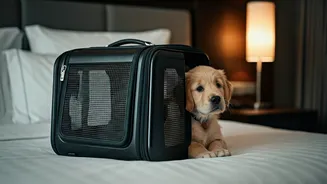
The term “pet-friendly” is doing a lot of work, and it doesn't mean the same thing everywhere. A key frustration for travelers is the gap between “pets tolerated” and “pets welcomed.” The former often involves a non-refundable deposit of $100 or more, a weight limit of 25 pounds, and a long list of rules. The latter is a new gold standard. Truly pet-welcoming establishments offer a seamless experience. This can include dedicated welcome amenities like a dog bed, water bowls, and complimentary treats upon arrival. Some go even further, offering “yappy hour” events, special pet menus for room service, and lists of nearby dog parks and pet-friendly restaurant patios. This distinction is crucial; travelers are getting savvier, reading reviews and calling ahead to understand exactly what the policy entails before they click “book.”
Navigating the New Rules of the Road
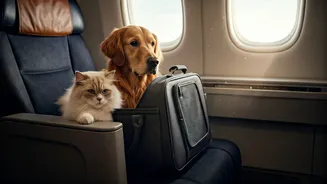
While hotels and rentals are becoming more accommodating, the journey itself can still be a challenge. Air travel with pets, especially for larger dogs that can’t fly in the cabin, remains a complex and often stressful undertaking. Each airline has its own labyrinthine set of rules regarding breeds, carrier sizes, and health documentation. This friction has created opportunities for new businesses, from pet-focused charter jet services to specialized pet transport companies. For the average person, it means doing hours of research. It also means a rise in road trips, where the car provides a controlled environment. The boom in pet travel has also introduced a new layer of traveler etiquette. Being a good pet-guest—keeping dogs leashed, cleaning up messes immediately, and preventing barking—is now essential to ensure the trend continues and doors remain open.