

1. The Millet Makeover
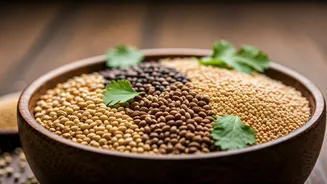
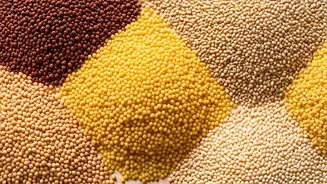
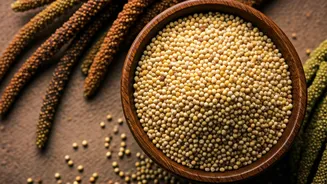
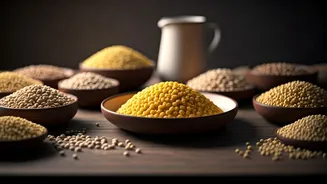
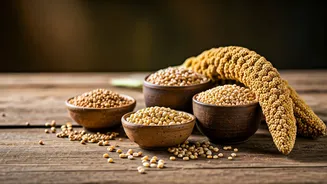
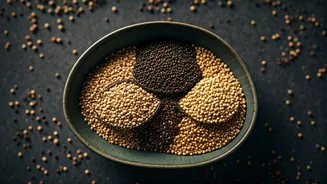
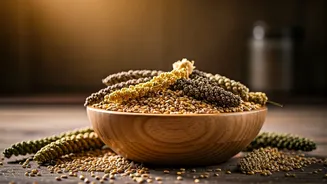
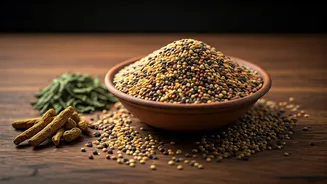
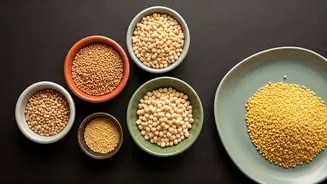
Remember when quinoa was the new kid on the block? Meet its South Asian cousins: millets, sorghum (jowar), and amaranth. These ancient grains, long staples in rural India, are making a huge comeback. Why? They're naturally gluten-free, high in fiber,
and packed with nutrients. Instead of potato-based crisps, a growing number of brands are offering puffed or baked snacks made from these grains. Imagine a light, airy puff that crunches like a cheese doodle but is seasoned with tangy tamarind, spicy chili, or savory cumin. It’s the same satisfying crunch and bold flavor you crave, but built on a foundation of complex carbs and fiber that provides sustained energy instead of a fleeting sugar rush.
2. Reimagining the Samosa
The samosa is iconic, a pyramid of golden, flaky pastry giving way to a warm, spiced potato and pea filling. It’s also, traditionally, deep-fried. While there will always be a place for that classic indulgence, the modern, balanced approach is all about reinvention. Think baked samosas, which offer a satisfying crispness without the heavy oiliness. Air-fried versions achieve a similar effect, delivering that much-loved crunch with a fraction of the fat. The fillings are getting a makeover, too. Instead of just potatoes, you’ll find versions stuffed with protein-rich lentils (dal), paneer, or even finely chopped chicken, turning a classic treat into a more complete and satisfying mini-meal.
3. Protein-Packed Powerhouses
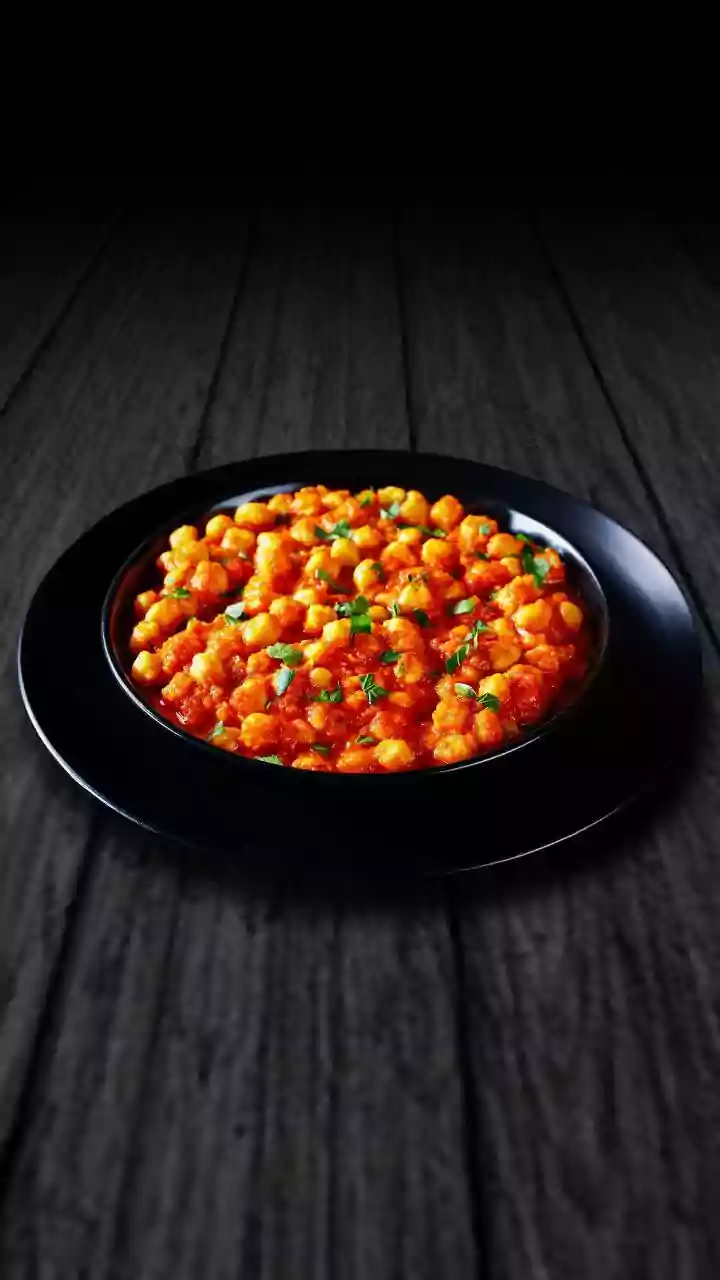
One of the biggest shifts in modern snacking is the focus on protein to keep you fuller for longer. Indian cuisine has a deep well of options to draw from. Roasted chickpeas (chana) are a perfect example. Once a simple street food, they are now packaged and sold in a variety of flavors, from classic masala to sea salt and lime. They’re crunchy, savory, and loaded with protein and fiber. Another star is makhana, or roasted fox nuts. These light, popcorn-like puffs have a neutral flavor that makes them a perfect canvas for spices. They’re low in calories and fat but offer a satisfying and substantial crunch. Even papadum, the thin lentil-flour crisps, are being positioned as a high-protein alternative to traditional chips when roasted or microwaved instead of fried.
4. Yogurt's Versatile Victory
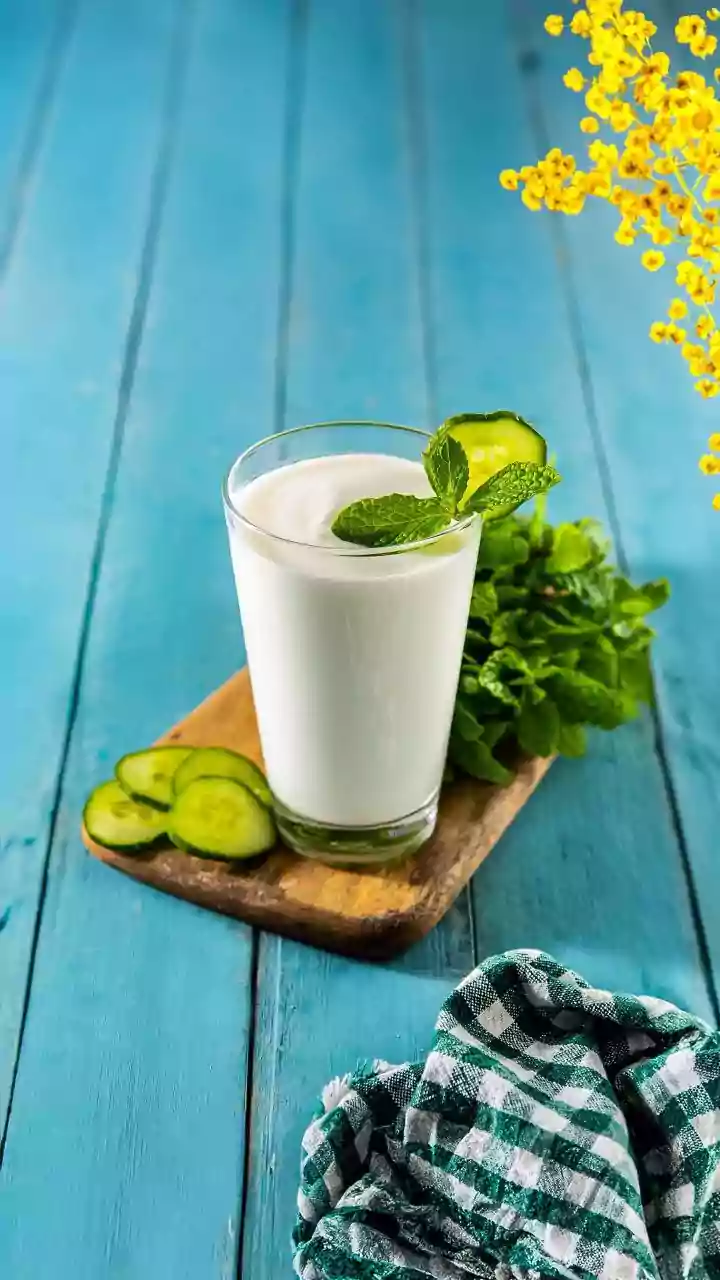
Yogurt has always been a cornerstone of Indian meals, praised for its cooling properties and gut-friendly probiotics. Now, it’s stepping into the spotlight as a standalone snack. Savory yogurt is the new frontier. Forget sugary fruit blends; we’re talking about thick, Greek-style yogurt mixed with chopped cucumber, mint, and a pinch of roasted cumin to create a quick, refreshing raita dip. This can be eaten with a spoon or used as a dip for vegetable sticks. Another popular option is chaas, a spiced buttermilk drink. It’s a hydrating, low-calorie beverage seasoned with salt, ginger, and herbs, making it a perfect savory pick-me-up on a warm afternoon.
5. Chaat Gets a Healthy Makeover
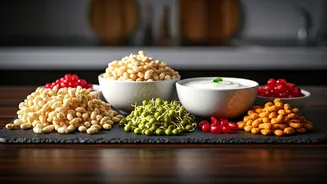
Chaat is less a specific dish and more a flavor explosion—a combination of sweet, salty, tangy, spicy, and crunchy textures. Traditionally, the base might be fried dough wafers (papdi) or potato patties (aloo tikki). The modern, balanced version keeps the flavor profile but swaps the base. Imagine a sprout salad chaat, using sprouted mung beans for a crunchy, protein-rich foundation. Or sweet potato chaat, where roasted sweet potato cubes replace fried potatoes, providing fiber and vitamins. These versions deliver all the sensory excitement of classic chaat—the zing of tamarind chutney, the coolness of yogurt, the heat of chili—but with a much more virtuous and nutritionally dense ingredient list.