


The New Main Ingredient: Virality
Welcome to the era of the edible spectacle. Across the country, from bustling city food festivals to lone trucks parked on a sunny corner, street food is undergoing a radical transformation. What was once defined by its simplicity, affordability, and
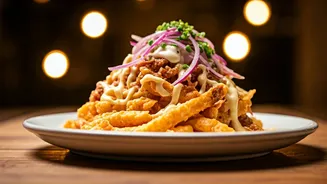
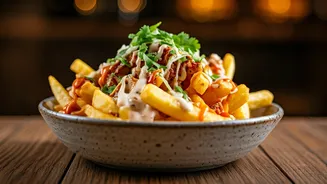
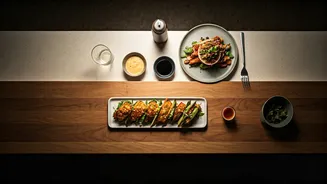
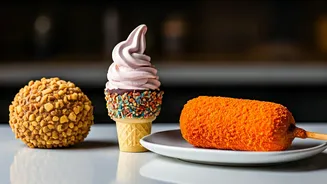
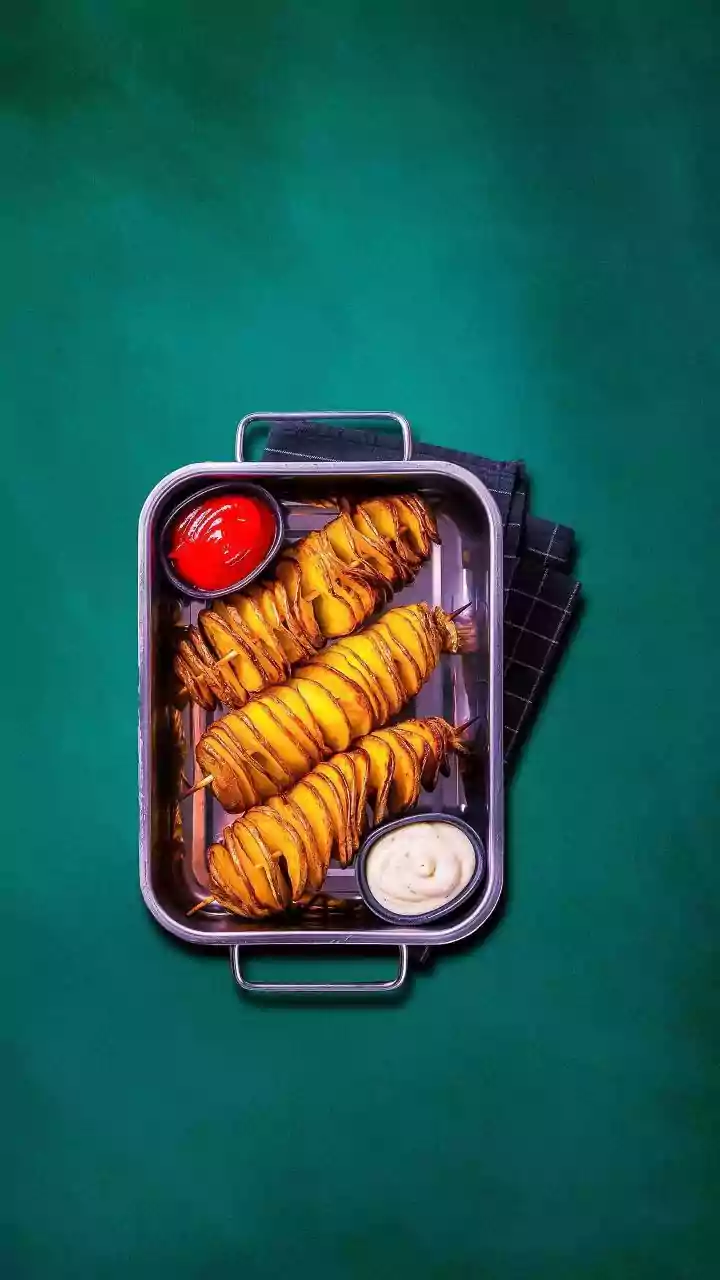
no-frills deliciousness is now being engineered for a new primary function: to look incredible on a phone screen. The driver, of course, is social media. A simple hot dog might taste great, but a Korean corn dog, half mozzarella and half sausage, deep-fried and coated in crunchy ramen noodles, is an invitation to film. It's not just food anymore; it's content. For vendors, a dish that goes viral on TikTok or Instagram isn't just a win—it's the most powerful marketing tool imaginable, capable of creating lines around the block and turning a small operation into a local sensation overnight. The menu is no longer just a list of items; it’s a portfolio of potential viral hits.
Anatomy of the Glow-Up
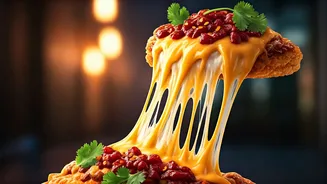
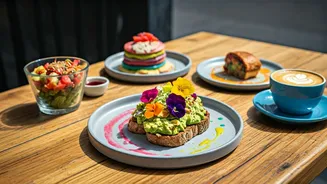
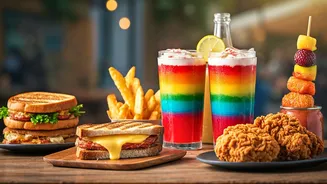
So, what makes a street food dish camera-ready? It’s a calculated science. First, there's the color. Think vibrant, almost unnatural hues derived from ingredients like ube (purple), matcha (green), and activated charcoal (black). A plain beige pastry doesn't pop on a crowded feed, but a galaxy-swirled donut does. Second is the action shot. The 'cheese pull' is the reigning king here—the moment when pulling apart a sandwich or a piece of fried chicken creates long, gooey strings of melted mozzarella. The 'drip' shot, featuring sauces cascading over a burger, and the 'cross-section,' revealing a kaleidoscope of fillings, are close contenders. Finally, there's the form factor. Food is being served in novel containers, like tacos in a bag of Doritos or ice cream in a taiyaki (fish-shaped) cone. The goal is to create something so visually unusual that a passerby—or a scroller—is compelled to stop and say, 'What is that?'
The Business of Being Beautiful
This glow-up isn’t just for fun; it’s a survival strategy. For small-scale food entrepreneurs, the cost of ingredients for these elaborate creations—and the labor to assemble them—can be significant. A plain taco might cost a dollar in materials; a birria taco designed for the perfect 'consommé dip' shot, complete with fresh cilantro and diced onion, might cost double. But the potential return on investment is massive. A single viral TikTok video can generate more foot traffic than a positive review in a local newspaper ever could. Vendors are essentially outsourcing their marketing to their customers. By creating a dish that people are desperate to photograph, they’re building a self-perpetuating hype machine. This shifts the business model from simply selling food to selling a shareable experience, justifying a higher price point in the process. The $15 street taco isn't just a taco; it's a ticket to participate in a cultural moment.
Is Something Lost in the Filter?
With every trend comes a backlash, or at least a healthy dose of skepticism. As street food becomes more aesthetically driven, some purists worry that taste is taking a backseat to presentation. Does that rainbow-colored grilled cheese actually taste better, or is its flavor secondary to its Instagrammability? There's also a debate about authenticity and accessibility. The spirit of street food has always been rooted in its democratic nature: cheap, fast, and delicious food for everyone. When a simple elote (Mexican street corn) is deconstructed, loaded with a dozen toppings, and sold for $12, does it lose its soul? The glow-up can sometimes feel like gentrification on a plate, pushing out simpler, more traditional fare in favor of what will perform best online. It raises a fundamental question: Are we eating with our mouths or with our eyes?