




What Is This “New” Trio?
Let’s get one thing straight: the trio of grains, legumes, and vegetables isn’t technically “new” to India. In fact, it’s ancient. This combination has been the backbone of traditional diets across the subcontinent for millennia. What *is* new is the deliberate,
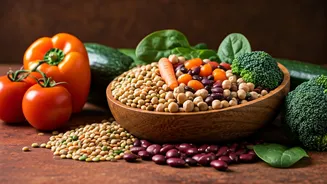
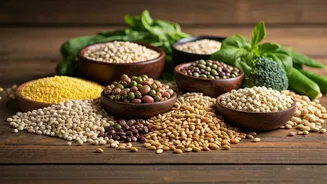
top-down push to bring it back to the center of the plate. The specific focus is on millets (ancient, hardy grains), pulses (the diverse family of lentils, beans, and chickpeas), and a wide array of local, seasonal vegetables. After decades dominated by the mass cultivation of rice and wheat—the heroes of India’s Green Revolution that fed a booming population—the country is now looking to its own culinary past to solve the problems of the future. This isn't about nostalgia; it's a strategic pivot, recognizing that the old ways hold modern answers.
A Recipe for Resilience
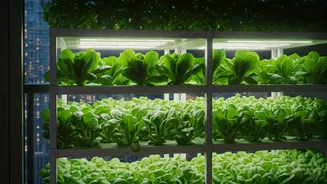
So why now? The renewed emphasis on this trio is a direct response to some of the 21st century’s biggest challenges. First is climate change. Millets, often called “nutri-cereals,” are incredibly resilient. They thrive in arid conditions, require far less water than rice and wheat, and can grow in poor soil. As extreme weather becomes more common, promoting crops that can withstand drought is a matter of national food security. Second is nutrition. While India solved its hunger problem, it now faces a widespread issue of malnutrition and lifestyle diseases. Pulses are a protein powerhouse, offering an affordable, plant-based source of this crucial nutrient. Paired with the vitamins and minerals from diverse vegetables, this trio forms a complete nutritional package that can combat deficiencies and promote overall health in a way that refined grains alone cannot. Finally, it’s about agricultural sustainability and biodiversity, moving away from monoculture farming toward a system that’s healthier for both people and the planet.
A Closer Look at the Lineup
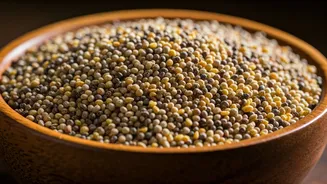
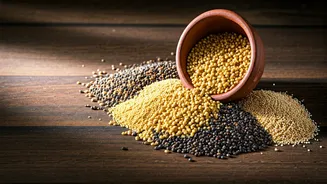
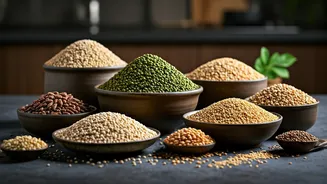
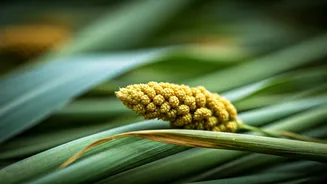
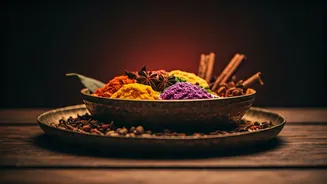
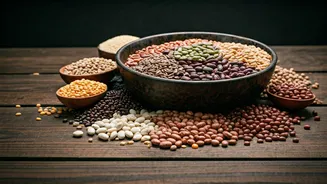
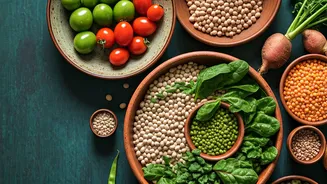
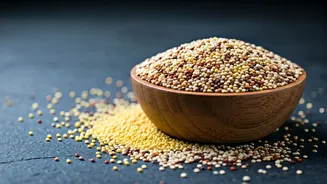
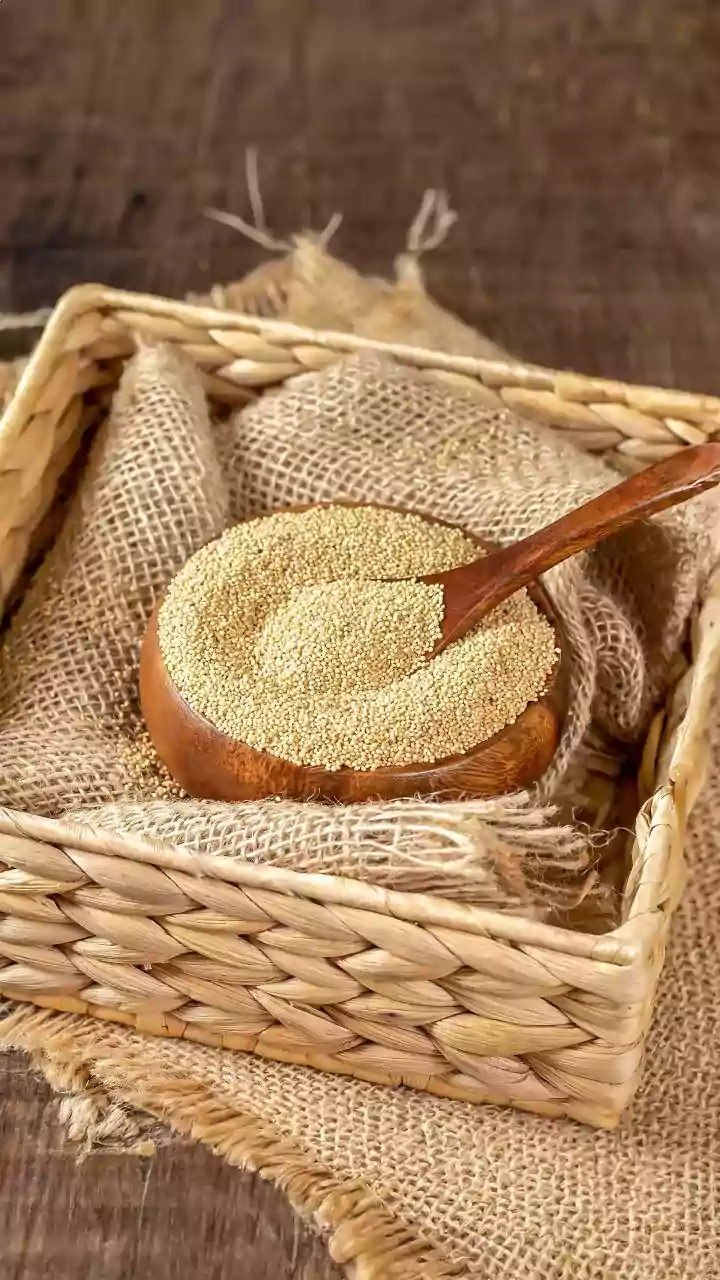
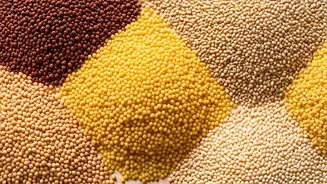
For many Americans, some of these ingredients might be less familiar. Millets, for example, are a group of small-seeded grasses that have been cultivated for thousands of years. Think of them as cousins to quinoa or amaranth—ancient grains that are gluten-free and packed with fiber and micronutrients. You might see them as pearl millet (bajra), finger millet (ragi), or sorghum (jowar). Legumes, or pulses, are more familiar territory. This category includes the vast and colorful world of dal (lentils), as well as chickpeas (chana), kidney beans (rajma), and mung beans. They are the heart of Indian vegetarian cooking, providing substance, texture, and of course, protein. The vegetable component of the trio emphasizes diversity and seasonality—moving beyond just potatoes and onions to include a huge variety of gourds, leafy greens, and regional specialties that offer a broader spectrum of nutrients.
From Delhi to Your Dinner Table
While this is an Indian initiative, its ripples are already reaching American shores. This movement aligns perfectly with the growing interest in plant-based diets, sustainable eating, and gluten-free options in the U.S. Don’t be surprised to see millets appearing more on menus at modern Indian restaurants, not just as a side, but in breads, porridges, and even desserts. You may also find millet flour or whole grains popping up in the international or health food aisles of your local grocery store. This push is a reminder that some of the most innovative food trends aren't lab-grown creations but rediscoveries of ancient wisdom. It’s a global signal that the future of food might look a lot like the past: diverse, locally adapted, and naturally nutritious.