



The Journey to the Roof of the World
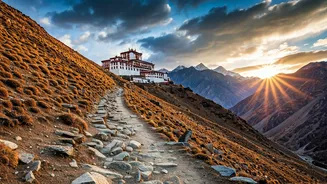
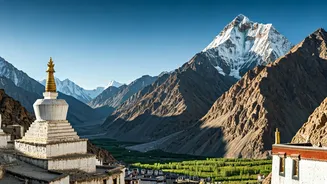
Getting to Hemis Monastery is an adventure in itself. Located about 25 miles from Leh, the capital of Ladakh, the journey takes you through the rugged, moon-like terrain of the Indus Valley. Situated at an elevation of over 12,000 feet, the air is thin
and the sun intense. The monastery doesn't immediately reveal itself. It’s tucked away on a mountainside, a hidden gem that has remained a spiritual nucleus for centuries, far from the world's hustle. Founded in the 17th century under the patronage of the Ladakhi king Sengge Namgyal, Hemis is the head monastery of the Drukpa lineage, or “Dragon Order,” of Tibetan Buddhism. Its remote location was strategic, protecting it from the political turmoil and invasions that plagued the region, allowing it to become a sanctuary for both people and priceless artifacts.
A Fortress of Faith and Color
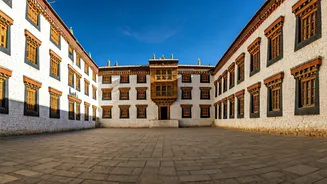
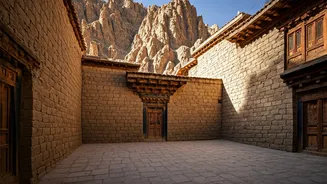
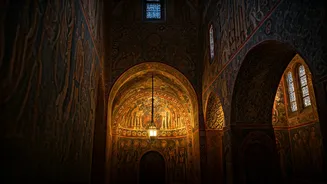
Approaching Hemis, the first thing you notice is how the structure seems to grow organically from the ochre and purple rock. The complex is a stunning example of Tibetan architecture, with whitewashed walls, colorful murals, and golden rooftops that gleam against the deep blue Himalayan sky. Unlike the more common hilltop fort-monasteries (gompas) of Ladakh, Hemis is built down in a gorge, making it feel like a secret world. Inside its courtyards and prayer halls, the scent of burning juniper incense and butter lamps fills the air. Elaborate frescoes depicting Buddhist deities, mandalas, and the life of Padmasambhava (Guru Rinpoche) cover the walls. These are not mere decorations; they are complex theological maps and meditation aids that have guided monks for generations.
The Library Hidden in Plain Sight
The headline's promise of “hidden scripts” points to the monastery’s most profound treasure: its library. While not recently unearthed in a dusty crypt, these texts are “hidden” in the sense that they are carefully preserved and rarely seen by the public. The centerpiece of this collection is a rare and complete 108-volume edition of the Kangyur—the translated words of the Buddha himself. These are not printed books but magnificent, centuries-old manuscripts, with some pages lettered in gold and silver on indigo-dyed paper. This collection contains the foundational sutras (discourses), vinaya (rules of conduct), and tantras (esoteric teachings) of Tibetan Buddhism. For centuries, they were the exclusive domain of resident scholars and high lamas. Their preservation at Hemis is a testament to the monastery's role as a guardian of knowledge, protecting a direct lineage of wisdom from ancient India and Tibet.
Where Culture Comes Alive
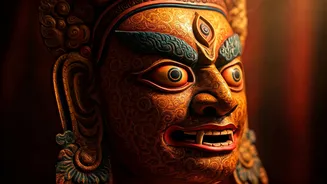
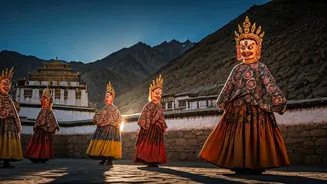
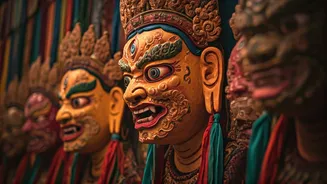
Hemis is far more than a static museum of the past. It is a vibrant, living center of faith. This is most evident during the annual Hemis Festival, held in honor of Guru Rinpoche, who is credited with bringing Buddhism to Tibet. For two days, the main courtyard explodes with color, sound, and movement. Monks don elaborate silk costumes and fearsome, expressive masks to perform the 'cham,' or sacred masked dances. These ritualistic performances depict the triumph of good over evil and serve as a form of public teaching and blessing. The festival attracts pilgrims and visitors from across the globe, transforming the quiet monastery into a bustling hub of devotion and celebration. It’s a powerful reminder that the wisdom contained in the ancient scripts is not just an academic subject but a living, breathing tradition that continues to shape lives.