



The River's Constant Song
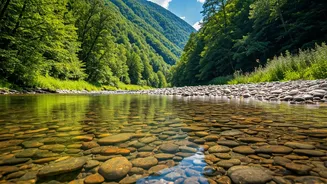
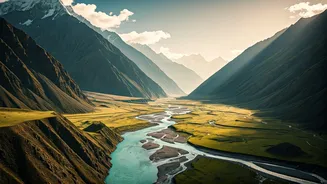
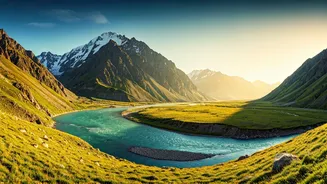
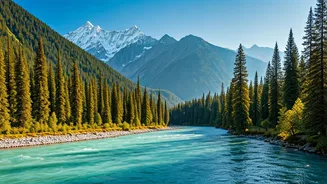
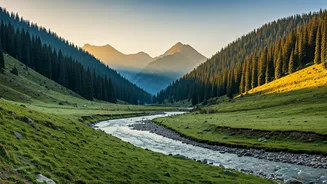
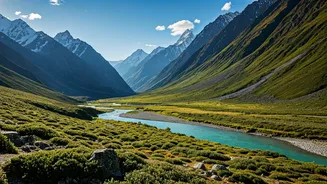
The first thing you notice in Tirthan Valley isn't a landmark or a monument; it's a sound. The constant, soothing rush of the Tirthan River is the valley's heartbeat. Unlike the polluted, sluggish rivers near many urban centers, this one runs startlingly
clear and cold, tumbling over smooth grey stones as it descends from a glacial source high in the mountains. This river dictates the pace of life. Instead of buzzing markets and chaotic main streets found in places like Shimla or Manali, Tirthan's focal points are quiet riverbanks. It’s a place where the main activity might be finding the perfect sun-drenched rock, pulling out a book, and letting the sound of water wash over you. For the more active, the river is a premier destination for trout angling; it's one of the few places in India where you can find healthy populations of brown and rainbow trout, a legacy of the British colonial era.
Gateway to a Protected Paradise
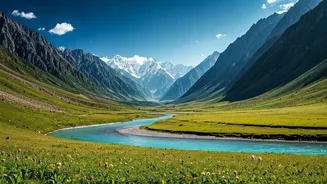
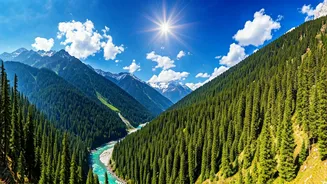
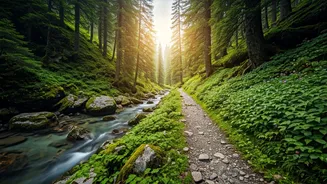
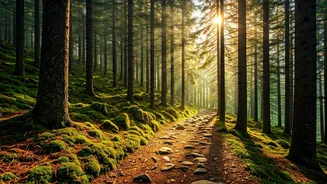
Tirthan’s biggest draw is what lies just beyond the main villages: the Great Himalayan National Park. A UNESCO World Heritage Site, the park is a vast, untouched wilderness of alpine meadows, dense forests, and staggering peaks. Tirthan Valley serves as its most accessible and beautiful gateway. The “calm trails” of the headline are not just gentle riverside paths; they are the starting points for multi-day treks into a protected kingdom. Here, you won't find the commercialized pony rides or litter-strewn paths common in more developed tourist zones. Instead, you get properly marked trails leading to remote campsites and high-altitude lakes. Even a short, one-day hike can take you through forests of pine and deodar, with the chance to spot exotic birds or even a distant blue sheep. The park’s protected status ensures the experience remains pristine, offering a genuine connection to nature that has become a rare commodity.
Villages Built from the Forest
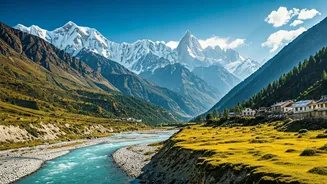
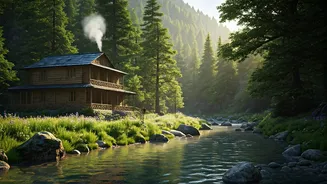
The human element of Tirthan Valley is just as appealing as its natural beauty. The small villages scattered along the river—like Gushaini, Nagini, and Jibhi—are characterized by a unique and beautiful architecture. Known as Kath-Kuni, this traditional style involves layering locally sourced wood and stone without using cement or mortar, creating sturdy, earthquake-resistant homes that blend seamlessly into the landscape. Many of these traditional homes have been converted into charming homestays run by local families. Staying in one offers a far more intimate and authentic experience than a generic hotel. You'll eat simple, delicious Himachali food cooked with ingredients from the family garden, wake up to views of terraced fields, and learn about the local culture directly from your hosts. It’s a model of sustainable, community-based tourism that enriches both the visitor and the host, preserving the valley’s character rather than eroding it.
The Luxury of Doing Nothing
Perhaps Tirthan Valley's most radical offering is the permission to do very little. In an age of checklist-driven travel, where itineraries are packed with must-see sights and Instagrammable moments, Tirthan encourages a slower, more mindful approach. There are no malls, no multiplex cinemas, and no nightlife to speak of. The evenings are for bonfires, stargazing, and listening to the river. The days are for leisurely walks, exploring waterfalls hidden in side valleys, or simply finding a quiet spot to watch the clouds drift over the mountains. This lack of structured entertainment is not a bug; it's the main feature. It attracts a different kind of traveler—one who is looking to disconnect from the digital world and reconnect with something more fundamental. It’s a destination that reminds you that sometimes, the most memorable vacation is the one where you finally have the time to be quiet.