




First Off, What Is Dark Energy?
Think of it as the universe’s mysterious accelerator pedal. For decades, we knew the universe was expanding after the Big Bang. But in the late 1990s, astronomers made a shocking discovery: not only is it expanding, but that expansion is speeding up.
Something is pushing everything apart, overwhelming gravity on a cosmic scale. Scientists gave this invisible, powerful force a name: dark energy. It’s not the same as dark matter, which is the unseen stuff that seems to hold galaxies together with its gravity. Dark energy does the opposite—it pushes things away. The problem? We have no idea what it is. It might be an intrinsic property of space itself, or a new kind of energy field. It remains one of the single biggest puzzles in all of physics, and solving it could rewrite our understanding of the cosmos.
Meet NASA’s New Cosmic Detective
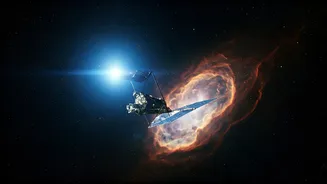
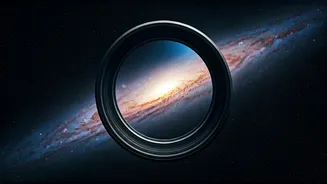
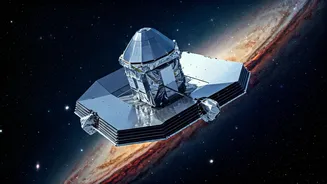
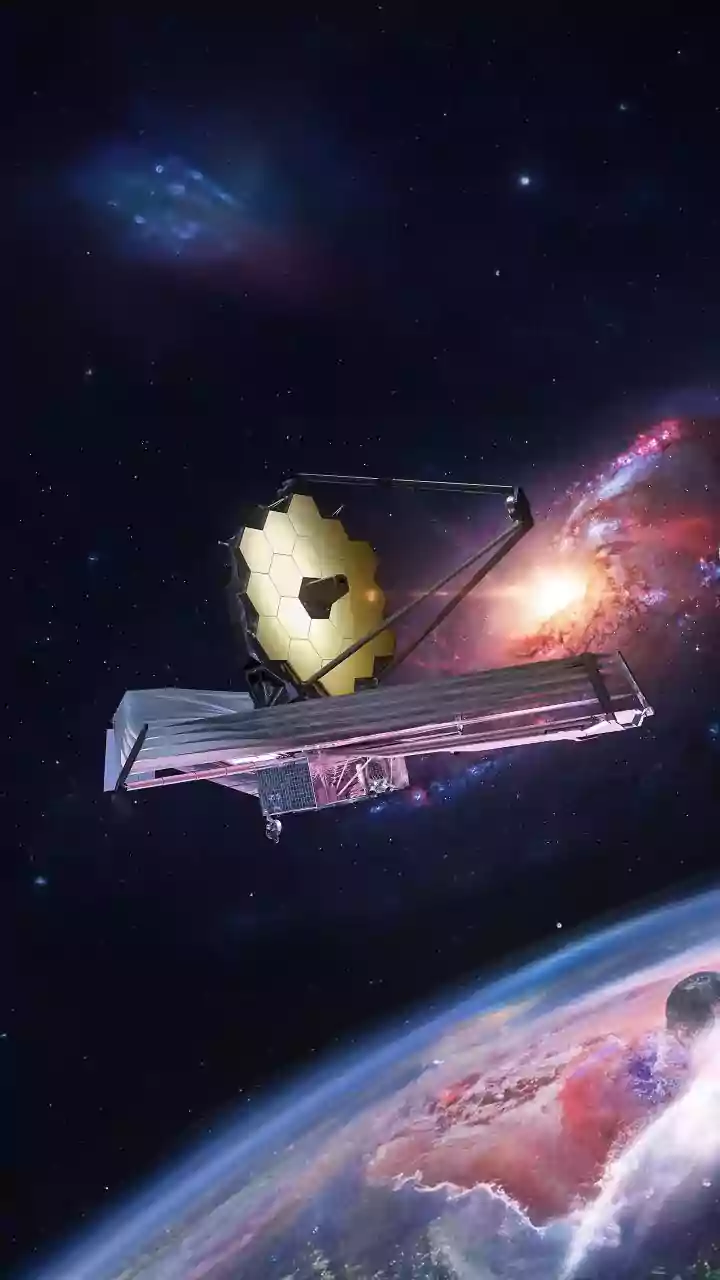
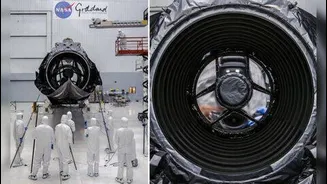
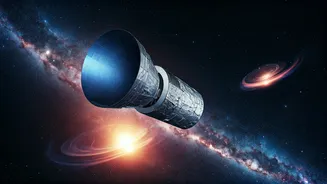
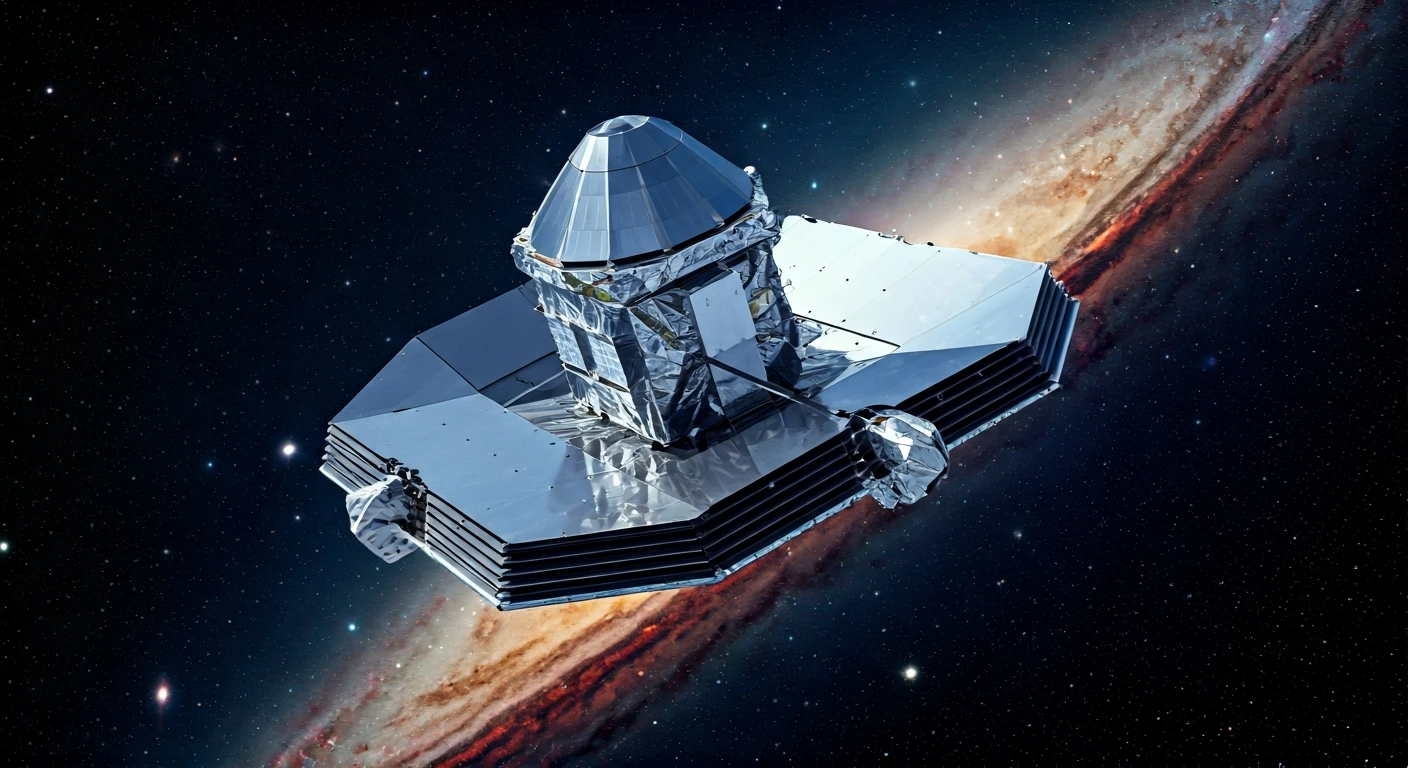
Enter the Nancy Grace Roman Space Telescope. Named after NASA’s first chief astronomer, often called the “mother of Hubble,” the Roman telescope is a next-generation observatory set to launch in the mid-2020s. While the James Webb Space Telescope is designed to see the universe’s earliest light in stunning, deep detail, Roman is built for breadth. Its key feature is a massive field of view. It can capture an area of the sky 100 times larger than the Hubble Space Telescope in a single snapshot. Imagine trying to photograph a sprawling mountain range. Hubble is like a powerful telephoto lens, zeroing in on a single, distant peak with incredible clarity. Roman, by contrast, is a state-of-the-art panoramic camera, capturing the entire range in one go. This ability to survey huge cosmic territories quickly is exactly what’s needed to study the subtle, large-scale effects of dark energy across the universe.
How Do You 'Hunt' Something Invisible?
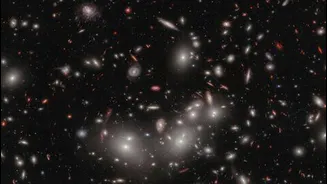
You can’t see dark energy directly, so Roman will hunt for its fingerprints. It will do this in two primary ways. First, it will create the largest 3D map of the universe ever made by charting the locations and distances of billions of galaxies. By seeing how galaxies are clustered together at different eras of cosmic history, scientists can measure how the tug-of-war between gravity (pulling things together) and dark energy (pushing them apart) has evolved over time. The second method involves hunting for specific cosmic explosions called Type Ia supernovae. These “standard candles” always explode with the same intrinsic brightness, so astronomers can use them to measure distances with high precision. By finding thousands of these supernovae across the cosmos, Roman will build a detailed history of the universe’s expansion rate, revealing exactly how dark energy’s push has changed over billions of years.
More Than Just a Dark Energy Mission
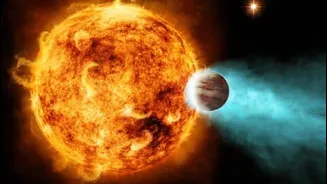
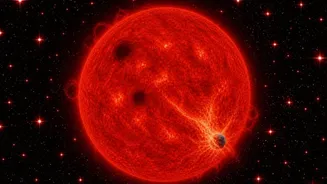
While solving the dark energy mystery is its headline act, the Roman telescope is a versatile instrument. Its wide-angle lens is also perfect for another monumental task: hunting for exoplanets. It will use a technique called gravitational microlensing, which detects planets by observing how their gravity momentarily bends and brightens the light from a distant star behind them. This method is especially good at finding planets far from their star, complementing the work of other planet-finders like the Kepler and TESS missions. Scientists expect Roman to discover thousands of new worlds, from rocky planets like Earth to gas giants like Jupiter, providing a much richer census of the planets in our galaxy. In essence, while trying to understand the fate of the universe, Roman will also be searching for other potential homes for life within it.