





What Is ‘Functional Eating,’ Anyway?
Before you dismiss it as another wellness fad, it’s worth clarifying what “functional eating” actually means. At its core, it’s the simple idea that food can do more than just provide basic energy. It’s about choosing ingredients for their specific, added
health benefits beyond simple nutrition. Think of it as Food with a Job™. This isn't about a restrictive diet. Instead, it’s an approach. Drinking kombucha for its probiotics to support gut health is functional eating. Adding turmeric to a smoothie for its anti-inflammatory properties is, too. So is sipping a mushroom-infused coffee that promises better focus, or choosing a yogurt fortified with extra protein and fiber to keep you full longer. It’s less about what you *can't* eat and more about what your food *can do* for you, whether it’s boosting immunity, improving digestion, reducing stress, or sharpening mental clarity.
From Niche Shelves to Aisle 5
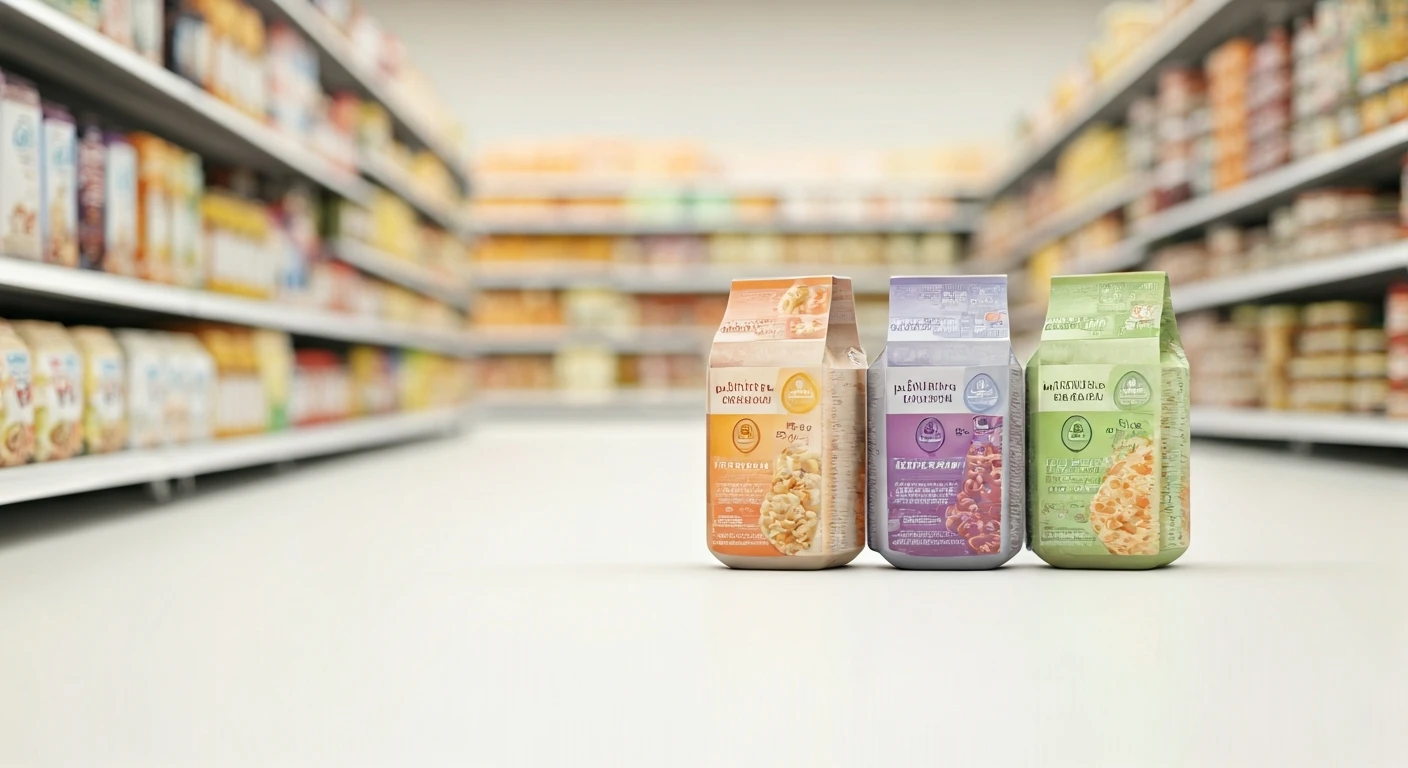
The biggest sign of this shift is where these products are now found. For years, you had to seek out a Whole Foods, a local co-op, or a specialty online retailer to find things like adaptogenic herbs or prebiotic sodas. Today, you’re just as likely to find them in the aisles of Target, Walmart, or Kroger. Take a walk through a conventional supermarket. The yogurt section is no longer just a wall of dairy; it’s a landscape of gut-health claims, with brands like Activia and Chobani highlighting probiotics and low-sugar options. The beverage aisle is brimming with kombuchas from brands like GT’s and Health-Ade, alongside new-wave sodas like Olipop and Poppi that boast prebiotic fiber for digestive wellness. Even the coffee aisle has changed, with brands like Four Sigmatic bringing mushroom coffee—once a niche health-food-store oddity—into mainstream reach. Big CPG players are all in: PepsiCo has launched functional drinks like Soulboost, and Nestlé has invested heavily in nutritional health science.
Why the Mainstream Migration?
Several factors are driving this democratization of functional food. First and foremost is consumer demand. The COVID-19 pandemic dramatically accelerated public interest in proactive health. Shoppers became hyper-aware of immunity, mental health, and overall resilience, and they began looking for simple, everyday ways to support their well-being. Food was the most logical place to start. Social media also plays a huge role. TikTok and Instagram are filled with creators—from registered dietitians to wellness influencers—touting the benefits of everything from sea moss gel to magnesium powders. These trends create massive, immediate consumer interest that large retailers are now nimble enough to respond to. When a “sleepy girl mocktail” goes viral on TikTok, brands and stores notice. Finally, the science, while still evolving on some fronts, has become more accessible and better marketed, giving consumers the confidence to try products that promise tangible benefits.
Smarter Shopping in a Functional World
This mainstream access is a net positive for consumers, offering more options to support health goals without a special trip or a premium price tag. However, it also means the grocery aisle has become a more confusing place, filled with buzzy marketing terms and bold health claims. The key is to become a savvy label-reader. A product advertised as “functional” isn’t automatically healthy. Look past the front-of-package promises and check the nutrition facts. Is that “gut-friendly” soda loaded with added sugar? Does that “energy-boosting” bar have a list of ingredients you can’t pronounce? Focus on products with short, recognizable ingredient lists and be skeptical of anything that sounds too good to be true. The goal is to find foods that add a genuine benefit, not just a health halo.