



Fuel Your Hair From the Inside Out
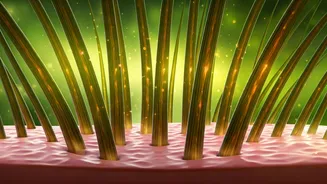
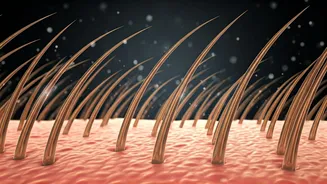
Your hair follicles are tiny factories that need the right raw materials to produce strong, healthy strands. Think of your diet as the primary supply chain. Protein is the most critical building block, as hair itself is made of keratin. Ensure you're
getting enough from sources like lean meats, fish, eggs, beans, and lentils. Iron is also essential for delivering oxygen to your follicles; low levels are a well-known contributor to hair shedding. Find it in red meat, spinach, and fortified cereals, and pair it with Vitamin C (found in citrus fruits and bell peppers) to boost absorption. Finally, don't forget zinc, which aids in hair tissue growth and repair, and biotin, which helps produce keratin. You can get zinc from nuts and whole grains, and biotin from eggs, nuts, and sweet potatoes.
Don't Let Stress Sabotage Your Strands
Have you ever noticed more hair in your brush during a stressful period? It's not your imagination. High levels of the stress hormone cortisol can push a large number of hair follicles into the 'resting' (telogen) phase simultaneously. A few months later, you may experience noticeable shedding, a condition known as telogen effluvium. While this is often temporary, chronic stress can disrupt your hair growth cycle long-term. Managing stress is, therefore, a crucial part of any hair health routine. Incorporate activities that help you unwind, whether it's daily meditation, a walk in nature, yoga, or simply setting aside time for a hobby you love. The goal is to regulate your nervous system, which has benefits far beyond your hairline.
Give Your Scalp Some TLC
A healthy scalp is the foundation for healthy hair. It’s easy to forget that the scalp is skin, and it requires just as much care as the skin on your face. Product buildup, oil, and dead skin cells can clog follicles and inhibit healthy growth. Instead of harsh scrubbing, focus on gentle but thorough cleansing. When you shampoo, use your fingertips (not your nails) to massage your scalp gently for a minute or two. This not only helps clean the area but also stimulates blood flow, delivering more oxygen and nutrients to the hair roots. Avoid shampoos with harsh sulfates if you have a sensitive scalp, and don't be afraid to use a clarifying shampoo once a month to remove stubborn residue from styling products.
Practice Gentle Handling Habits
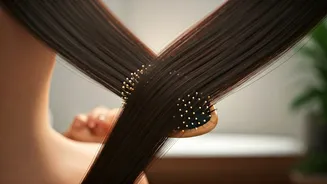
Much of the damage we see—split ends, frizz, and breakage—comes from physical stress on the hair shaft. You can have the healthiest follicles in the world, but if you're rough with your hair, it won't look its best. First, be gentle when your hair is wet, as that’s when it’s most fragile. Instead of rubbing vigorously with a towel, gently squeeze out excess water or use a microfiber towel or an old t-shirt. When detangling, start from the ends and work your way up to the roots to prevent creating a massive knot. Also, try to limit heat styling. When you do use hot tools, always apply a heat protectant spray first and use the lowest effective temperature setting.
Know When to Seek Professional Help
Natural support can do wonders for maintaining and improving the hair you have. However, it's crucial to recognize when home care isn't enough. If you're experiencing sudden, patchy, or rapidly progressing hair loss, or if your shedding is accompanied by scalp pain, redness, or scaling, it's time to see a board-certified dermatologist. These can be signs of underlying medical conditions, autoimmune disorders, or nutritional deficiencies that require a professional diagnosis and treatment plan. A doctor can run blood tests to check your thyroid function, iron levels, and other key health markers to get to the root of the problem. Don't rely on Dr. Google; get a personalized, expert opinion.