



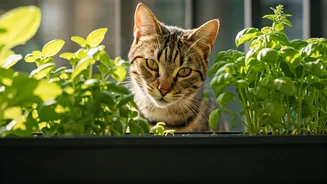


1. Introduce Pet-Safe Greenery
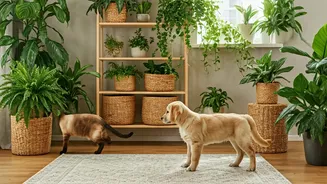
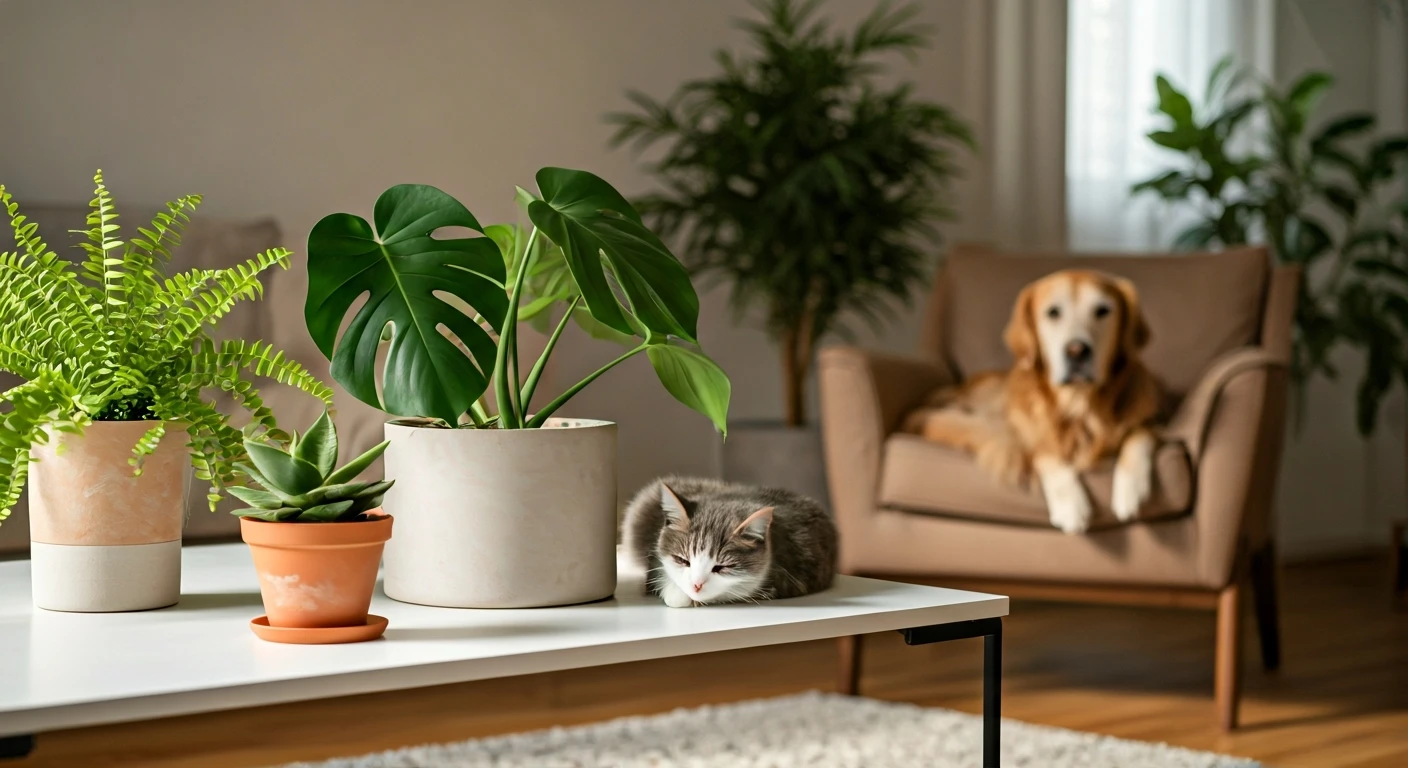
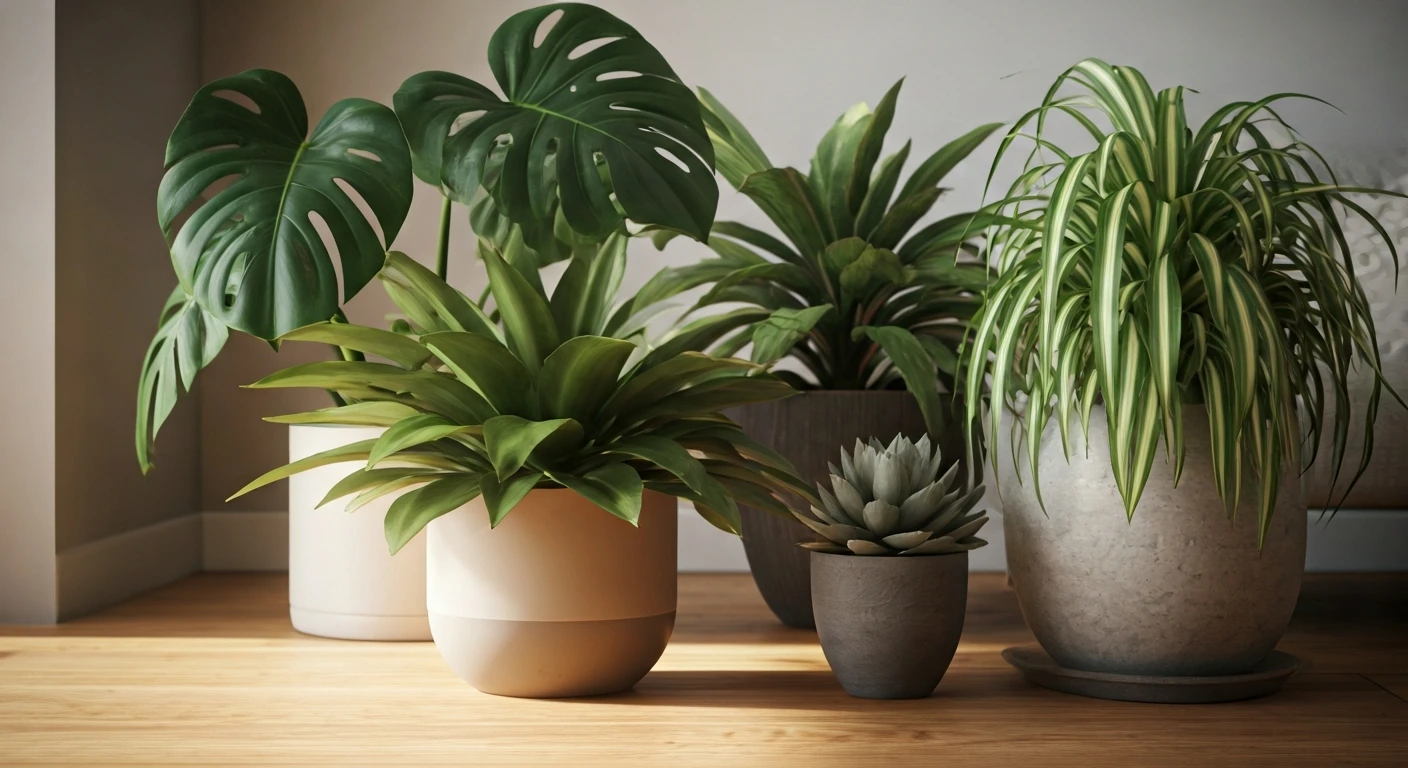
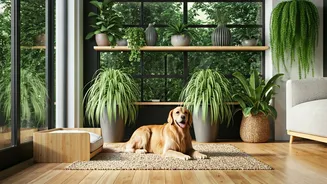
The most literal way to create a greener home is with plants. For indoor pets, plants can mimic an outdoor environment, providing new scents and visual stimulation. Studies on human wellness show that indoor plants can reduce stress, and while pet-specific
data is less formal, anecdotal evidence from veterinary behaviorists suggests a similar calming effect. The crucial caveat is safety. Many common houseplants, such as lilies, philodendrons, and snake plants, are toxic to cats and dogs. Before you turn your living room into a jungle, stick to verified pet-safe options like spider plants, Boston ferns, parlor palms, and certain succulents like Haworthia. The ASPCA maintains an extensive, searchable database of toxic and non-toxic plants, which should be your first stop before buying.
2. Maximize Natural Light
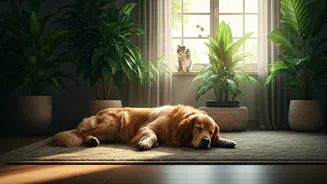
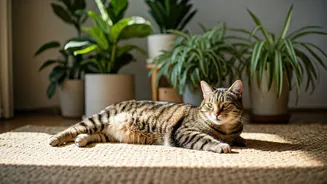
Have you ever noticed your cat or dog seeking out that one perfect sunbeam for their afternoon nap? That’s no accident. Just like humans, animals have circadian rhythms regulated by light. Access to natural sunlight helps keep their internal clocks in sync, which can regulate sleep patterns and mood. An easy way to improve your pet’s environment is to maximize the natural light in your home. Keep blinds open during the day, especially in rooms where your pet spends a lot of time. Consider setting up a cozy pet bed, a cat tree, or a simple blanket near a sunny window. This creates a designated 'basking spot' where they can soak up warmth and light, a simple luxury that provides immense comfort.
3. Offer a Window to the World
For an indoor pet, a window is more than just a piece of glass—it's a television screen playing the most interesting show in the world. The sight of birds, squirrels, passing cars, and rustling leaves provides vital mental stimulation that prevents boredom, a common trigger for stress-related behaviors like destructive chewing or over-grooming. This phenomenon is so well-known among cat owners it’s often called 'Cat TV.' You can enhance this experience by installing a sturdy window perch or placing a tall cat tree in front of a secure window. For dogs, a clear view of the front yard from a comfortable couch or dog bed can serve the same purpose, keeping them engaged with the world outside.
4. Incorporate Natural Materials and Textures
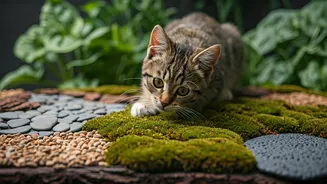
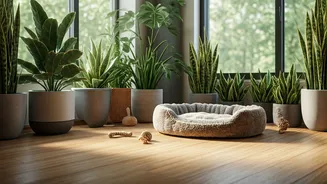
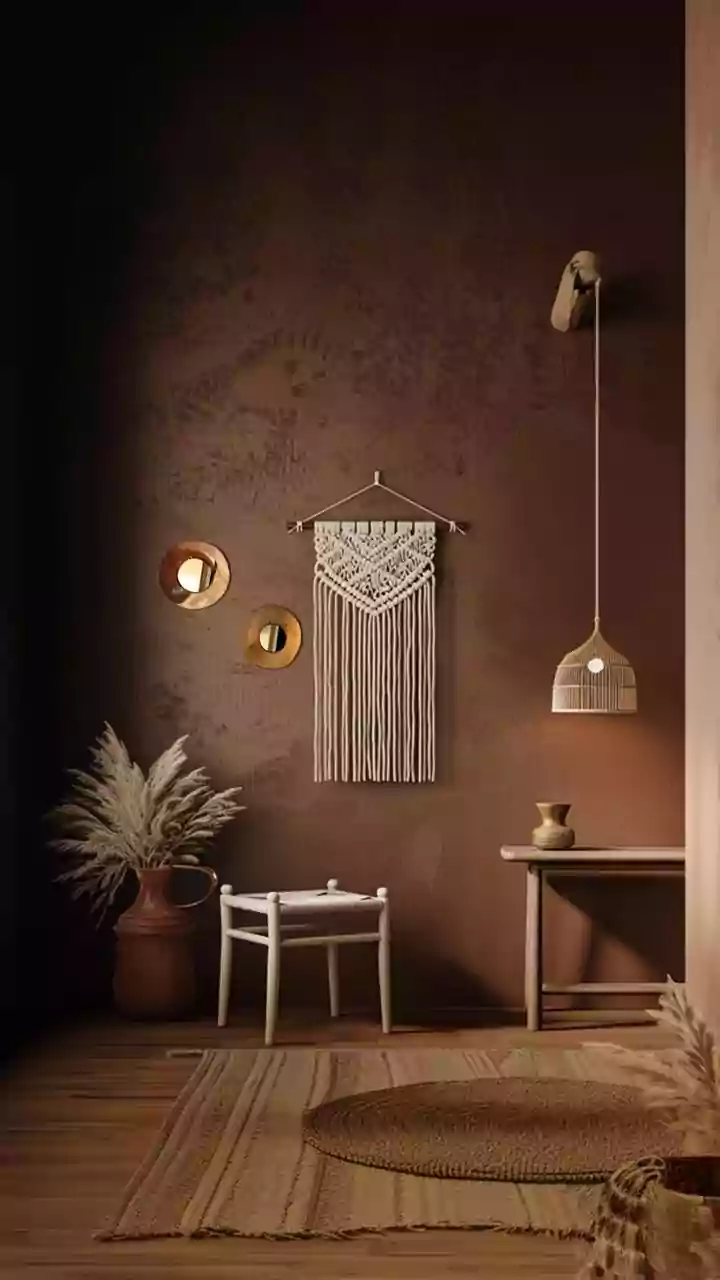
Think about a pet's natural environment: it’s full of varied textures like dirt, grass, wood, and stone. You can replicate this sensory richness inside. When choosing pet beds, blankets, and toys, opt for natural fibers like cotton, wool, or jute over synthetic materials like polyester. Scratching posts made of sisal rope or cardboard appeal to a cat’s instinct to mark territory on tree-like surfaces. Even a simple seagrass mat or a sturdy wooden chew toy for a dog can introduce a satisfying, natural texture into their daily life. These materials not only feel good but also provide appropriate outlets for instinctual behaviors like scratching and chewing.
5. Use Natural Scents, But With Extreme Caution
A pet’s sense of smell is exponentially more powerful than our own, making scent a potent tool for influencing their mood. While certain scents like lavender and chamomile are known for their calming properties, you must be extremely careful. Most essential oil diffusers are dangerous for pets, as they release micro-droplets that can be inhaled and cause respiratory irritation or be absorbed through the skin, leading to toxicity, especially in cats. A much safer approach is to use dried herbs. A small sachet of dried lavender or chamomile placed inside a pet’s bed (sewn shut so they can’t ingest it) can provide a gentle, calming aroma without the risks of concentrated oils. When in doubt, always consult your veterinarian before introducing any new scent into your pet’s environment.