






First, What Is 'Chatpata'?
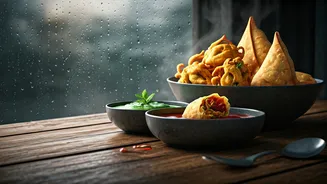
Before we get to the mangoes, we need to talk about chatpata. It’s a Hindi word that doesn’t have a perfect one-to-one translation in English, but it describes a flavor profile that is foundational to Indian snacking and street food. Think of it as a culinary
symphony where multiple tastes play at once: spicy, tangy, salty, and often a little sweet. It’s not just a combination; it’s a sensation. A flavor that makes your mouth water, your taste buds tingle, and keeps you coming back for just one more bite. While Americans might be familiar with the satisfying depth of umami, chatpata is its energetic, chaotic, and delightful cousin—a flavor designed to wake you up.
The Magic of Raw Green Mango
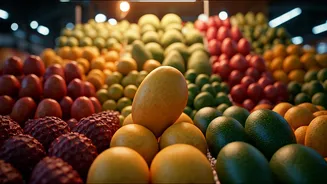
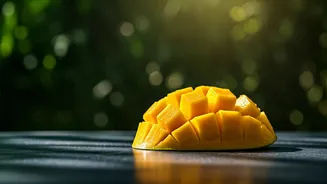
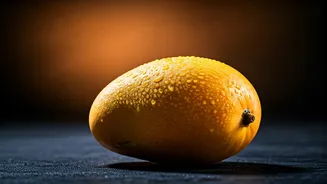
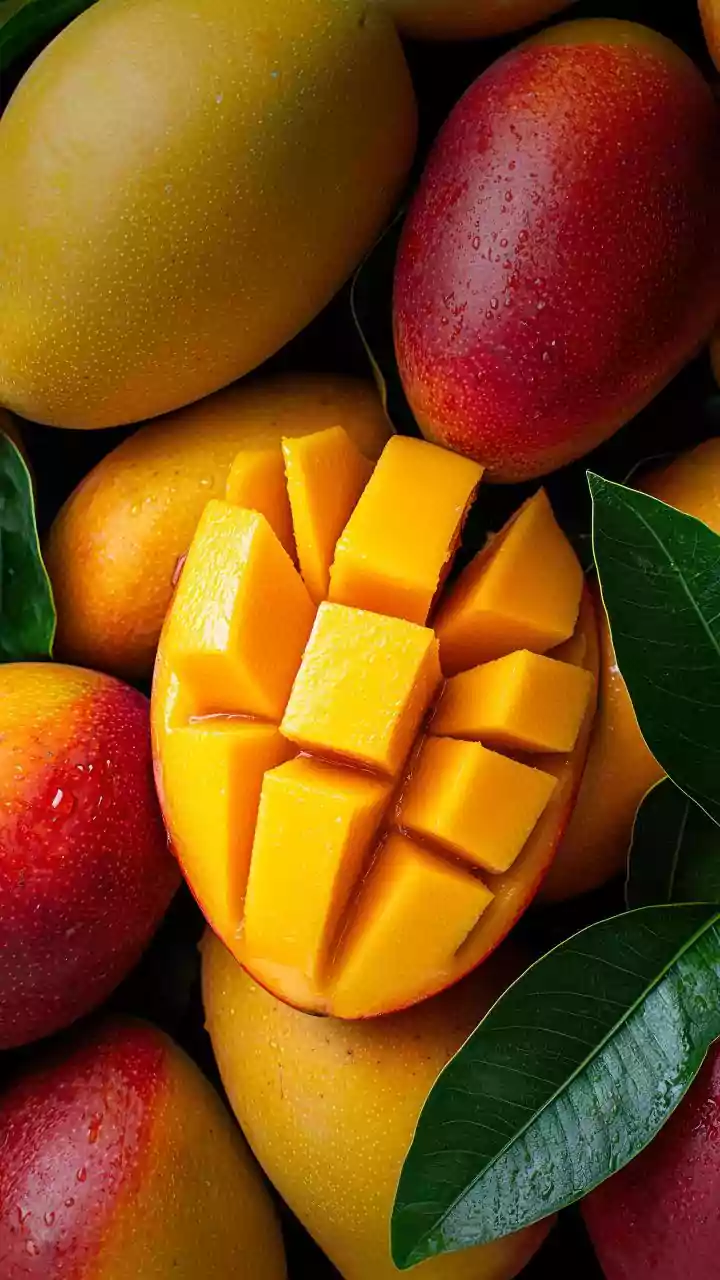
In the U.S., mangoes are synonymous with sweet, juicy, tropical sunshine. We blend them into smoothies and dice them into salsas when they are ripe and orange. But in India and across South Asia, the unripe green mango, known as ‘kairi,’ is just as beloved. Harvested before its sugars fully develop, the raw mango is bracingly sour, with a firm, crisp texture. It’s used as a primary souring agent in dals and curries, pickled into countless varieties of achaar, and, most importantly for our purposes, eaten as a snack. This isn’t the fruit you know; it’s a culinary ingredient with a completely different purpose, celebrated for its electrifying tang rather than its sweetness.
From Orchard Slice to Spicy Snack
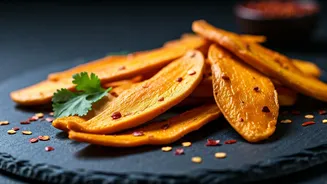
So how do you turn a rock-hard, sour fruit into an addictive snack? The process is a testament to culinary ingenuity. First, the raw mangoes are washed and sliced, often paper-thin, with the skin left on for extra texture and tartness. These delicate slices are then tossed in a vibrant, fragrant spice blend. The exact mixture is often a family secret, but it almost always includes red chili powder for heat, turmeric for color and earthiness, and the star ingredient: black salt, or ‘kala namak.’ This pungent, sulfuric salt adds a savory depth that is quintessentially chatpata. Finally, the spice-coated slices are laid out to dry, either traditionally under the hot sun for days or in a modern dehydrator, until they become leathery, chewy, and intensely concentrated chips of pure flavor.
How to Eat Them (And What to Expect)
Eating a dehydrated raw mango slice for the first time is a journey. The first thing you’ll notice is the spice—a pleasant, warming heat that coats your tongue. Immediately following is an intense, almost shocking wave of sourness that makes you pucker up. But just as you think the tang might be overwhelming, it mellows. A subtle, savory saltiness from the kala namak emerges, and finally, a faint, lingering sweetness from the mango itself comes through. The texture is chewy, almost like a fruit leather, demanding you take your time with it. These are not for mindless munching; they are for savoring. Enjoy them on their own as a powerful afternoon pick-me-up, or get creative and chop them up to sprinkle over a salad or yogurt for a surprising textural and flavor kick.
Where to Find Your New Obsession
While you could theoretically try making these at home if you can source raw mangoes and have a dehydrator, the easiest way to experience them is to buy them. You won’t find these in the chip aisle of your average American supermarket. Your best bet is to head to a local Indian grocery store. Look in the snack section, near the crunchy mixes (namkeen) and other dried goods. They may be sold in simple plastic bags or branded packets, sometimes labeled as ‘Spicy Mango Slices,’ ‘Amchur Slices,’ or a similar variation. If you don’t have an Indian market nearby, numerous online retailers specialize in South Asian foods and will happily ship this chatpata delight right to your door. They are an inexpensive, shelf-stable ticket to a whole new world of snacking.