




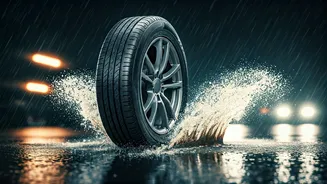


1. Tires: Your Only Connection to the Road
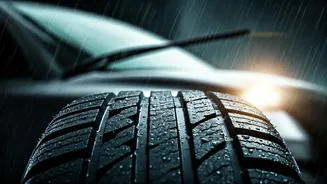
Think of your tires as the most critical safety feature in wet weather. Their ability to grip the pavement is the only thing preventing you from hydroplaning—skimming uncontrollably across a layer of water. The key is tread depth. Your tire treads are
designed with deep channels to push water out from under the tire, allowing the rubber to stay in contact with the road. When the tread is worn down, it can't evacuate water effectively. The classic 'penny test' is a great way to check. Insert a penny into your tire's tread grooves with Lincoln's head upside down. If you can see the top of Abe's head, your treads are dangerously shallow (below 2/32 of an inch) and it's time for new tires. Also, check your tire pressure monthly. Both underinflated and overinflated tires make poor contact with the road, reducing traction and increasing the risk of hydroplaning.
2. Wipers: The Unsung Heroes of Visibility
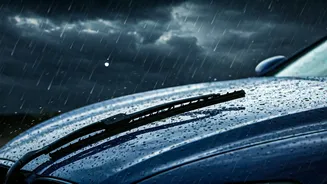
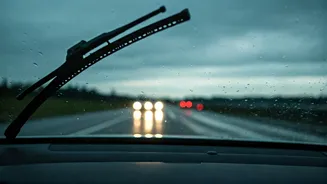
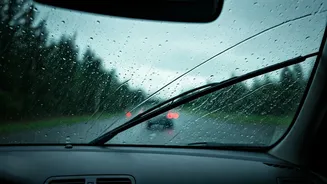
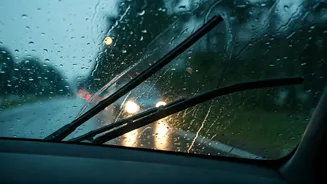
If you can't see, you can't drive safely. It’s that simple. Wiper blades are made of soft rubber that degrades over time due to sun exposure and use. A worn-out wiper blade doesn't clear water; it smears it, creating a blurry, distorted view that’s especially dangerous at night when dealing with the glare of oncoming headlights. You'll hear them chatter, skip, or squeak across the glass—all signs they need to be replaced. Experts recommend replacing your wiper blades every six to twelve months. Don't wait for them to fail during a downpour. It’s an inexpensive and often easy DIY fix that has a massive impact on safety. While you’re at it, top off your windshield washer fluid. A splash of fluid can help clear the grime and road spray that often kicks up during the first few minutes of a storm.
3. Lights: See and, Crucially, Be Seen
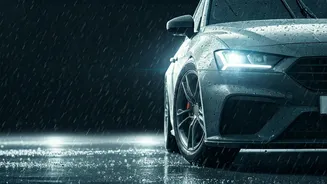
In heavy rain, visibility drops for everyone. Your vehicle’s lights serve a dual purpose: they help you see the road ahead, and they help other drivers see you. A burned-out headlight, tail light, or brake light is a serious hazard in a low-visibility storm. Before the rainy season starts, do a quick walk-around of your car. Have a friend or family member help you check that all lights are functioning: headlights (both low and high beams), tail lights, brake lights, and turn signals. Driving with your headlights on during rain—even during the day—is a legal requirement in many states because it makes you significantly more visible to other traffic. A clean, bright set of lights can cut through the gray gloom and announce your presence, preventing potential collisions.
4. Brakes: Your Ultimate Safety Net
Wet roads mean longer stopping distances. It takes more time and distance to slow down when the pavement is slick. This is where healthy brakes are non-negotiable. If your brakes are already grinding, squealing, or feeling 'soft' in dry conditions, these problems will only be amplified in the rain. Properly maintained brakes—with sufficient pad material and clean rotors—provide the reliable stopping power you need to react to sudden changes in traffic. A mechanic can quickly check your brake pad thickness and rotor condition. Addressing a minor brake issue before it becomes a major failure is one of the most important investments you can make in your driving safety.
5. Defroster and HVAC: Fighting Fog from the Inside
The danger isn't always outside the car. On a cool, rainy day, the temperature difference between the inside and outside of your vehicle causes condensation to form on the interior of your windows, creating a blinding fog. Your car’s heating, ventilation, and air conditioning (HVAC) system is your tool for fighting this. The defroster setting directs air to the windshield, but using your air conditioning is the real secret weapon. The A/C system acts as a dehumidifier, pulling moisture out of the cabin air far more quickly than heat alone. If your defroster seems weak or your A/C isn't blowing cold, get the system checked. A clear interior view is just as important as a clear exterior one.