


The Pre-Monsoon Gold Rush
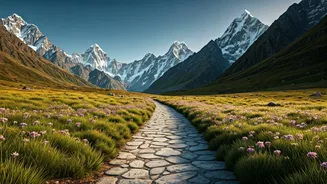
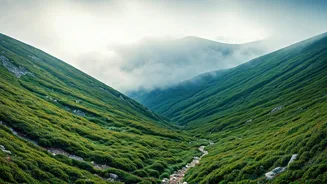
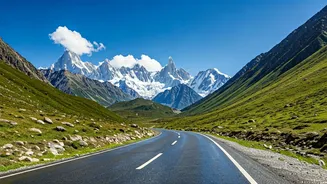
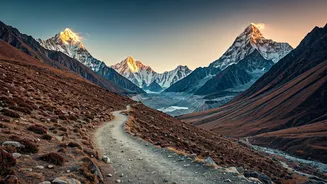
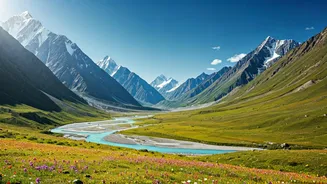
For adventure seekers eyeing the Indian Himalayas, the period from late April to mid-June is prime time. This is the pre-monsoon season in Himachal Pradesh, a sweet spot of pleasant weather, lush green valleys, and accessible high-altitude passes. The
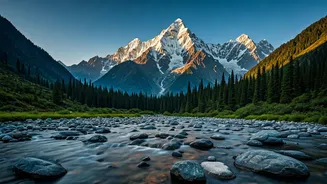
air is crisp, the skies are often a brilliant blue, and the roaring Parvati River provides a constant soundtrack. But this window is finite. By late June or early July, the monsoons roll in, transforming the landscape. Gentle streams can become raging torrents, trails turn into treacherous mudslides, and persistent clouds obscure the breathtaking views. The phrase “shut trails” isn’t an exaggeration; many routes become physically impassable and dangerously unpredictable, with local authorities often restricting access for safety reasons. Planning your trek during this pre-monsoon spring ensures you see the region at its most vibrant and accessible.
Kasol: Your Bohemian Basecamp
Nestled on the banks of the Parvati River, the small village of Kasol is the unofficial capital of this Himalayan adventure circuit. It’s a place where the scent of pine needles mixes with the aroma of Israeli shakshuka from riverside cafes. Known for its laid-back, bohemian vibe, Kasol has been a magnet for international travelers—especially from Israel, earning it the nickname “Mini Israel”—for decades. It’s the perfect place to acclimatize to the altitude, which hovers around 5,200 feet. You can spend a few days here exploring nearby villages like Chalal and Manikaran, stocking up on supplies, and, most importantly, finding a reliable guide or joining a trekking group. The town is geared entirely towards adventurers, with countless agencies offering everything from gear rental to fully organized multi-day expeditions.
The Classic: Kheerganga's Hot Springs
For first-timers or those seeking a rewarding but less strenuous journey, the Kheerganga trek is an absolute classic. This two-day, one-night trek covers about 8 miles each way and is considered beginner-to-intermediate. The trail winds through dense pine forests, past cascading waterfalls, and alongside the thundering river. The real prize, however, awaits at the top, nearly 10,000 feet up. Kheerganga is famed for its natural hot springs, where you can soak your tired muscles in steaming, sulfur-rich water while gazing out at snow-capped peaks. According to legend, this is where the Hindu deity Shiva meditated for 3,000 years. The spiritual vibe is palpable, and spending a night in a simple guesthouse or tent under a blanket of stars is an unforgettable experience.
The Challenge: Sar Pass's Frozen Lake
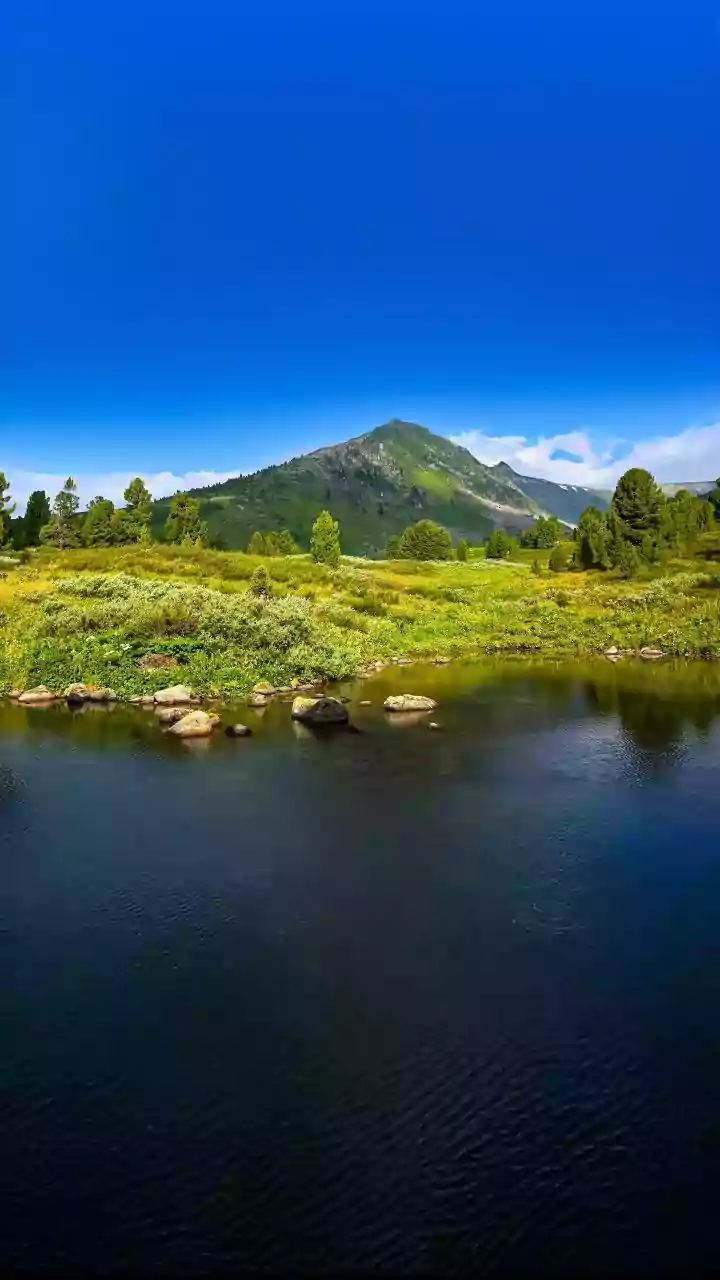
If you’re looking to push yourself further, the Sar Pass trek is a significant step up in both difficulty and reward. This is a proper multi-day expedition, typically lasting 5 to 6 days and reaching an altitude of 13,800 feet. The trek begins in Kasol and takes you through a breathtaking variety of landscapes—from rhodendron forests and sprawling meadows to high-altitude snowfields. The highlight is crossing Sar Pass itself, which involves descending by sliding down a massive, exhilarating snow slope. The name “Sar” means “lake” in the local dialect, referring to a small, often frozen lake you pass just before the summit. This trek requires a good level of fitness and is best done with an experienced guide and crew who handle navigation, camping, and cooking, leaving you free to focus on the challenging but deeply gratifying journey.
Know Before You Go
Successfully trekking in the Himalayas is all about preparation. First, respect the altitude. Spend at least two days in Kasol or a nearby village to acclimatize before attempting any major ascent. Second, hire local. Using a certified local guide or a reputable trekking agency not only ensures your safety but also supports the local economy. Third, pack smart. The weather can change in an instant. Layering is key: bring a base layer, a fleece or mid-layer, and a waterproof/windproof outer shell. Sturdy, broken-in hiking boots are non-negotiable. Finally, while some treks can be done independently, routes like Sar Pass are highly recommended to be done with a group for safety. Always carry a basic first-aid kit, water purifier, and some cash, as ATMs are scarce beyond Kasol.