






Understand the Real Danger: Root Rot
It seems counterintuitive: with weeks of intense rain on the horizon, why worry about a little water now? The problem lies in the soil. After months of dry heat, soil—especially in pots or compacted garden beds—can become dense and hydrophobic. When the first
monsoon downpours arrive, this soil can't absorb the water efficiently. Instead, water pools around the plant's root ball, creating an anaerobic (oxygen-free) environment. This is the perfect breeding ground for fungal pathogens that cause root rot. Roots essentially drown, unable to absorb oxygen, nutrients, or even water, causing a healthy-looking plant to suddenly wilt and die, even while sitting in a puddle. Preventing this starts weeks before the first storm.
Audit Your Potted Plants
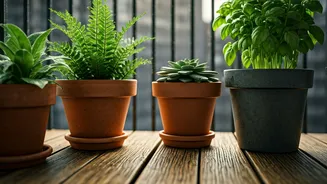
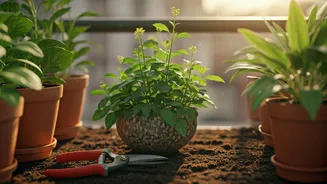
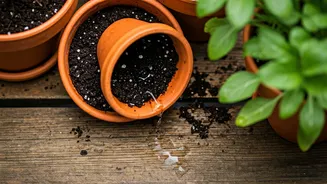
Potted plants are the most vulnerable to waterlogging. Your primary mission is to ensure excess water has a clear escape route. First, eliminate standing water in saucers or cachepots. If your decorative pot doesn't have a drainage hole, now is the time to either drill one or commit to using it only as a sleeve, emptying it immediately after watering. Consider using 'pot feet' or small blocks to lift your containers an inch or so off the ground. This simple trick improves air circulation and ensures drainage holes don't get blocked by the patio or ground surface. If a pot is chronically waterlogged, consider repotting it with a faster-draining soil mix containing more perlite or pumice before the rains begin.
Improve Drainage in Garden Beds
For in-ground plants, the focus is on soil structure. Compacted clay soil is a major culprit for standing water. Before the monsoons, work on improving your soil's porosity. Amending the soil by gently working in organic matter like compost is the best long-term solution. Compost introduces beneficial microbes and creates a lighter, spongier texture that both holds appropriate moisture and allows excess to drain away. You don't need to do a full, disruptive tilling. 'Top-dressing'—applying a one- to two-inch layer of compost around the base of your plants—allows earthworms and natural water cycles to gradually work it into the soil. For new planting areas, consider creating raised beds or berms, which use gravity to ensure water never pools around sensitive roots.
Adjust Your Watering Schedule
As humidity levels start to rise in the weeks preceding the monsoon, your plants' water needs will change. The air is no longer sucking moisture from their leaves at the same frantic rate. Start tapering off your deep watering schedule. Allow the top few inches of soil to dry out completely between waterings. This encourages roots to stay healthy and avoids pre-saturating the soil. Going into the monsoon with already-soggy soil is a recipe for disaster. Monitor the weather forecast and your local humidity levels. Once the humidity regularly tops 30-40%, it's a signal to pull back on supplemental irrigation for established, drought-tolerant plants.
Prune, Stake, and Secure
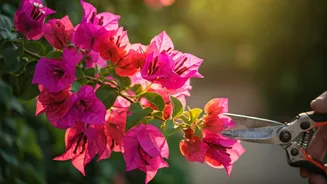
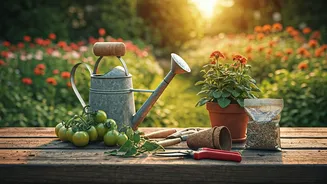
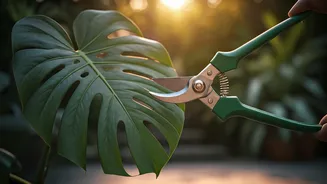
Monsoons aren't just about rain; they bring high winds and physical force that can damage plants. Use this pre-monsoon period for structural maintenance. Prune any dead, weak, or overgrown branches that could easily snap in the wind, potentially damaging the rest of the plant. For taller plants, vegetables like tomatoes, or young trees, ensure they are securely staked. Check that ties are not too tight, as they can girdle the stem as the plant grows. This proactive pruning and support will make your plants more resilient to the physical battering of a summer storm, preventing breakage that can create entry points for disease.