




What Exactly Is 'Gut Balance'?
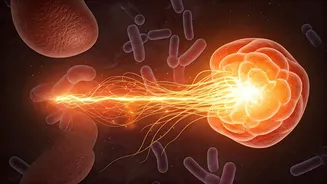
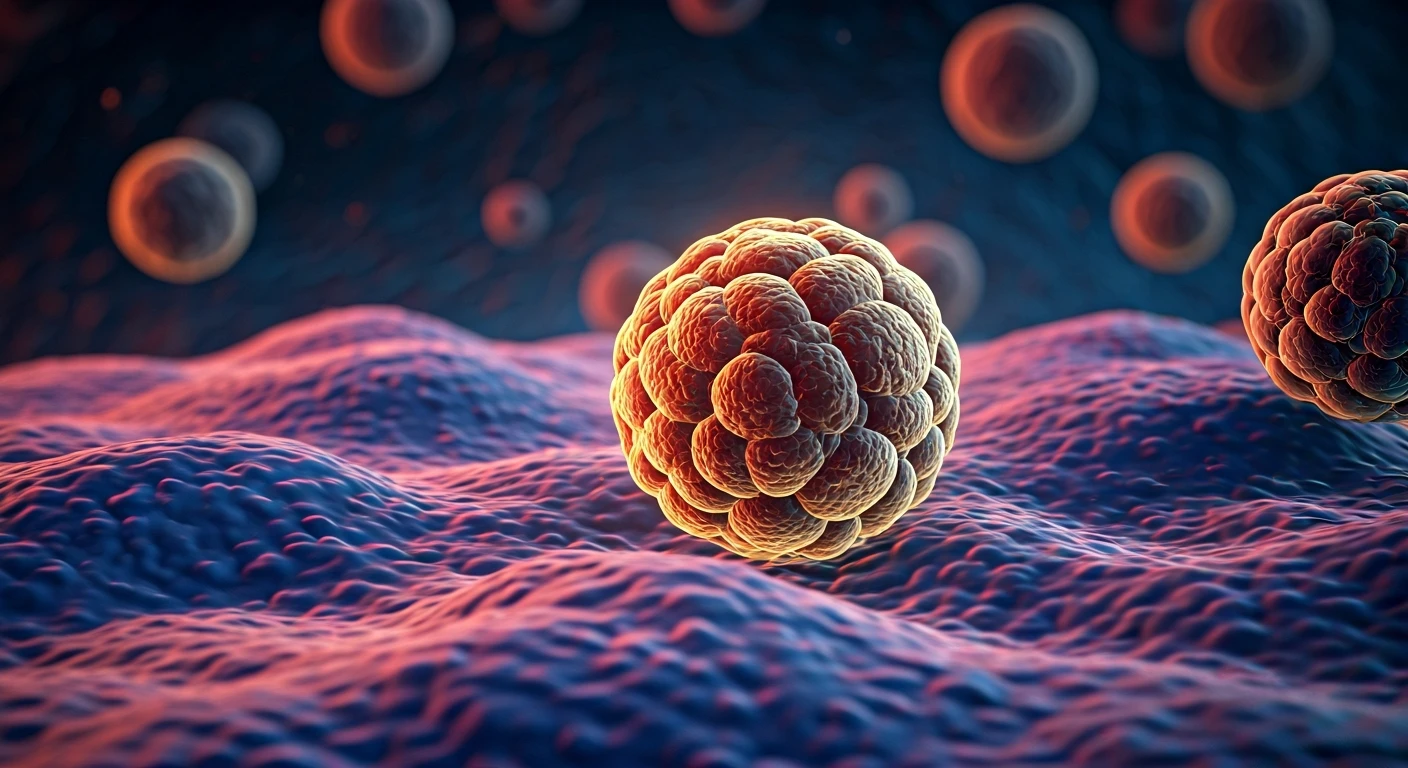
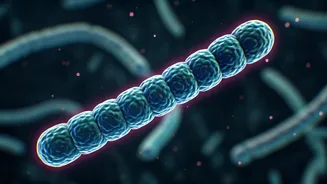
Think of your gut as a bustling city populated by trillions of microorganisms—mostly bacteria, but also fungi and viruses. This community is called your gut microbiome. Like any city, it thrives on diversity and cooperation. 'Gut balance,' or 'eubiosis,'
means you have a wide variety of 'good' bacteria working to help you digest food, produce essential vitamins, and regulate your immune system. An imbalance, called 'dysbiosis,' occurs when harmful bacteria start to outnumber the beneficial ones. This can be triggered by stress, antibiotics, or, most significantly, a poor diet. It’s this unique, personal ecosystem inside you that scientists are now realizing holds the key to personalized health.
The Two-Way Street of Diet and Digestion
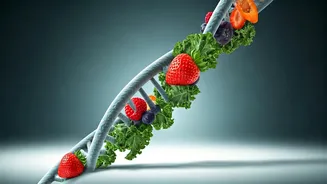
The relationship between what you eat and your gut is not a one-way transaction; it's a constant conversation. The food you consume literally feeds your gut microbes. A diet rich in fiber from fruits, vegetables, and whole grains provides fuel for beneficial bacteria. These microbes break down the fiber into short-chain fatty acids (SCFAs), compounds that reduce inflammation, strengthen the gut wall, and can even influence your metabolism and mood. Conversely, a diet high in processed foods, sugar, and unhealthy fats tends to feed the less desirable microbes, which can lead to inflammation and cravings for more of the same junk food. In essence, your diet shapes your gut, and your gut, in turn, can shape your dietary preferences and how your body uses food.
Why 'Universal' Diets Often Fail
This explains a common frustration: why did the keto diet work wonders for your friend but leave you feeling sluggish and deprived? The answer likely lies in your respective microbiomes. Each person's gut ecology is as unique as their fingerprint. One person’s microbes might be incredibly efficient at digesting fats, making a high-fat diet sustainable for them. Another person's gut might be populated with bacteria that thrive on complex carbohydrates. When they suddenly cut out those carbs, their microbial allies starve, leading to digestive distress and a lack of energy. This individuality is why the concept of a single 'best' diet for everyone is becoming obsolete. The most effective diet is one that works in harmony with your specific biological landscape.
How to Plan for Your Personal Gut
Personalizing your diet for gut health doesn't necessarily mean you need an expensive microbiome test (though the technology is rapidly advancing). You can start by becoming a detective of your own body. The core principle is promoting microbial diversity. Instead of focusing on restriction, focus on addition. The goal is to feed the good guys. This includes two key types of foods:
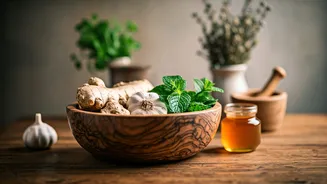
* **Prebiotics:** These are types of dietary fiber that your beneficial bacteria love to eat. Think garlic, onions, bananas, oats, and asparagus. They are the fertilizer for your internal garden.
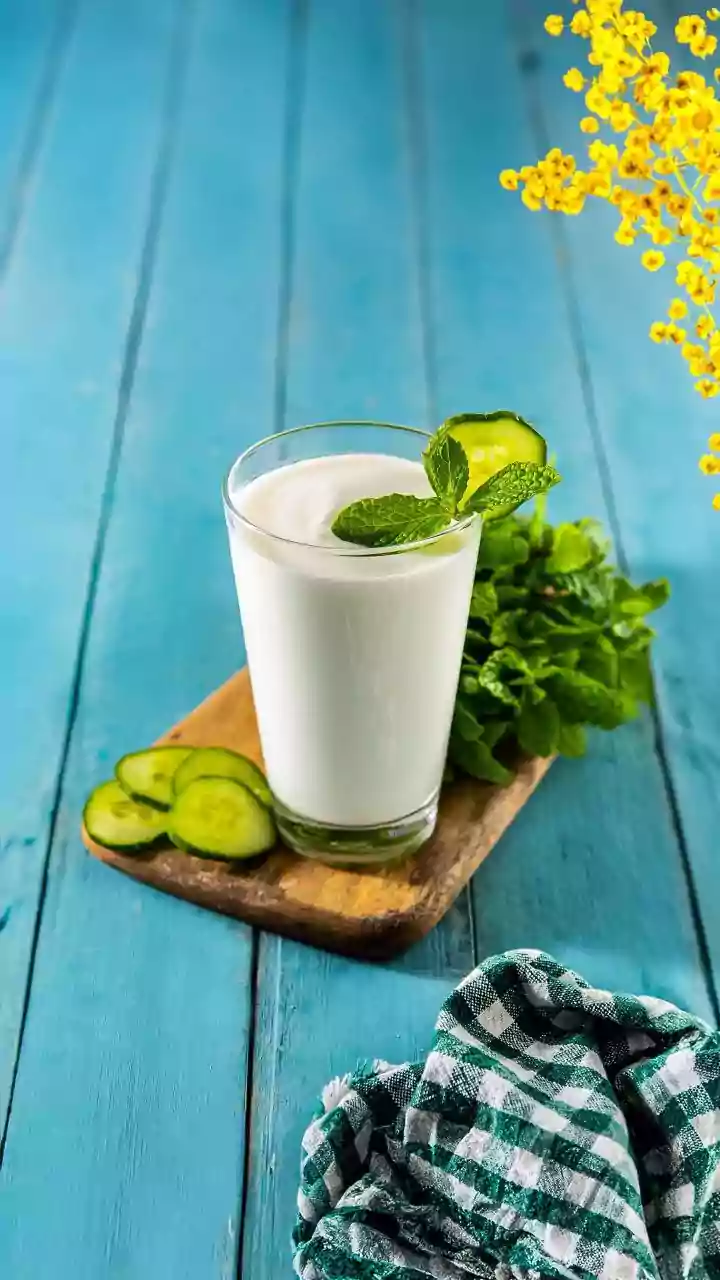
* **Probiotics:** These are live beneficial bacteria found in fermented foods. Yogurt with live active cultures, kefir, kimchi, sauerkraut, and kombucha can all introduce new, helpful residents to your gut city.
Paying attention to how you feel after eating certain foods is the ultimate form of personalization. If a certain vegetable causes bloating every time, your gut may not have the right microbes to handle it right now. That doesn't mean it's 'bad,' just that your system isn't ready for it.
Small Changes, Big Impact
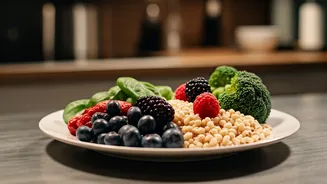
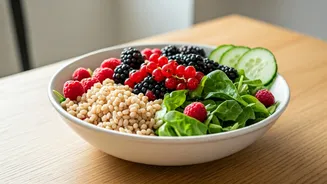
Overhauling your diet overnight is a recipe for failure. Instead, start small. Try the 'plus-one' rule: add one new plant-based food to your diet each week. The wider the variety of plants you eat, the more diverse your microbiome is likely to become. Swap your afternoon sugary snack for a handful of nuts or a piece of fruit. Try a plain yogurt with berries instead of a flavored one packed with sugar. These minor adjustments, compounded over time, can create a significant shift in your gut environment, leading to better digestion, more stable energy, and a healthier relationship with food.