








The Rise of the 'Pet Parent'
To understand the tech and eco-trends, you first have to understand the massive cultural shift happening in urban India. For generations, dogs were often kept outdoors as guard animals. Today, for a growing, educated, and affluent middle class, that concept
is ancient history. Increased urbanization, smaller nuclear families, and rising disposable incomes have fueled a 'pet humanization' wave, where pets are treated as cherished family members. These new 'pet parents' are often young professionals who have delayed marriage or children, pouring their affection—and money—into their four-legged companions. They seek the best for their 'fur babies,' mirroring a trend that has long been dominant in the West but is taking on a unique, hyper-modern flavor in India.
Going Green, From Food Bowls to Poop Bags
The global push for sustainability is finding fertile ground in Indian pet care. For this new class of conscientious consumer, eco-friendly choices are a status symbol and a moral imperative. This isn't just about buying organic. Startups and established brands are now offering a range of 'green' products tailored for the Indian market. We're seeing pet food made with locally sourced, natural ingredients, moving away from mass-produced kibble. Toys are being crafted from sustainable materials like bamboo, jute, and upcycled fabrics. Even necessities are getting an eco-makeover, with a surge in demand for biodegradable waste bags and compostable cat litter. This isn't a niche concern; it’s becoming a core expectation for premium brands, signaling a market that values environmental responsibility as much as it values convenience.
The Smart Kennel Is Here
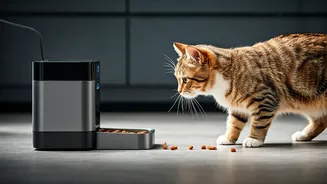
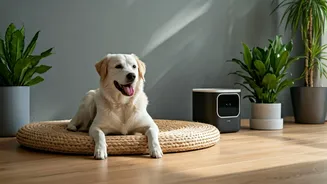
If the green trend is about conscience, the 'smart' trend is about connection and control. Indian pet owners, who are among the most digitally connected populations in the world, are embracing technology to manage their pets' lives. They aren't just adopting tech; they're leapfrogging past older models directly to the latest mobile-first solutions. The most popular gadgets are Wi-Fi-enabled cameras, allowing owners to check in on their pets from the office via smartphone. App-controlled automatic feeders dispense precise portions of food on a schedule, a perfect solution for busy professionals. GPS trackers attached to collars provide peace of mind in crowded urban environments. This tech adoption reflects a desire to stay connected to a pet that is, for all intents and purposes, a member of the immediate family.
Why This Is More Than a Niche Trend
This isn't just a few wealthy pet owners buying fancy toys. It’s the leading edge of a market that is exploding. India's pet care market is projected to grow significantly in the coming years, driven almost entirely by this premium, urban demographic. This has ignited a vibrant startup ecosystem, with companies attracting venture capital to build the 'Chewy of India' or the 'Petco for the new generation.' These platforms offer everything from curated subscription boxes with eco-friendly toys to telehealth services connecting owners with vets. For global observers, what’s happening in India’s pet homes is a powerful case study. It shows how a rapidly developing economy doesn't just copy Western trends but adapts and accelerates them, blending a newfound focus on wellness and sustainability with a world-class appetite for digital technology.