





1. Create a Barrier with Wax or Sealant
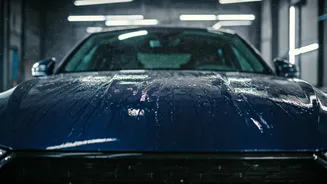
The single best defense for your car's paint is a protective layer that sits on top of it. Think of it as a raincoat for your clear coat. Traditional carnauba waxes offer a deep, warm shine and excellent protection, but typically last for a few months.
Modern synthetic paint sealants or ceramic coatings create a much more durable, long-lasting chemical bond. While professional ceramic coatings are expensive, many consumer-grade ceramic spray-on products offer fantastic, easy-to-apply protection for six months or more. Whichever you choose, the goal is to make water bead up and roll off the surface, taking dirt and contaminants with it. This process, known as creating a hydrophobic surface, prevents water spots from etching into your paint and makes washing your car significantly easier.
2. Treat Your Windshield for Ultimate Clarity
Driving in a downpour is stressful enough without your windshield turning into a blurry mess. Applying a dedicated glass rain repellent is a game-changer for visibility and safety. Products like Rain-X or similar glass treatments work by creating an invisible, super-slick coating on the glass. At speeds above 35-40 mph, rainwater that hits the windshield will bead into small droplets and get whisked away by the airflow, often without you even needing to use your wipers. This dramatically improves clarity during storms and reduces the wear and tear on your wiper blades. Application is simple: clean the glass thoroughly, apply the product with a cloth, let it haze over, and buff it off. It’s a 15-minute job that pays huge dividends for months.
3. Inspect (and Replace) Your Wiper Blades
Your wiper blades are your first line of defense in a storm, yet they are one of the most neglected parts of a car. Old, cracked, or hardened rubber won't clear water effectively; it will just smear it across your field of vision, creating a dangerous glare, especially at night. Inspect your blades monthly. Gently lift the wiper arm and run your finger along the rubber edge. If it feels brittle, chipped, or inflexible, it’s time for a replacement. You might also see streaking or hear a chattering sound when they are in use—both are signs that they're past their prime. Most auto parts stores will help you find the right size and even install them for free. It’s an inexpensive fix that is critical for rainy-day safety.
4. Don't Forget the Interior
Rain protection isn't just for the outside. Wet shoes and dripping umbrellas can quickly turn your car's interior into a damp, musty environment that encourages mold and mildew growth. The easiest solution is a set of all-weather, rubber floor mats. Unlike carpeted mats that absorb water and take forever to dry, rubber mats contain the mess. You can simply pull them out, hose them down, and they’re good as new. It’s also a good idea to periodically check the rubber seals around your doors and windows. Look for any cracking, tearing, or brittleness. A compromised seal is an open invitation for water to leak into your cabin, leading to much bigger problems than a damp carpet.
5. Perform a Post-Rain Rinse
It may sound counterintuitive to wash your car after it just got a 'free wash' from the sky, but this step is crucial. Rainwater isn't pure. It collects dust, pollen, and industrial pollutants from the air, forming a slightly acidic cocktail. When the water evaporates from your car’s surface, it leaves these concentrated deposits behind. If left to bake in the sun, these contaminants can etch into your paint's clear coat, causing permanent damage. You don't need to do a full soap-and-bucket wash. A quick rinse with a hose or at a self-serve car wash is enough to neutralize and remove these harmful deposits, preserving the finish you worked so hard to protect.
6. Check Your Tire Tread and Pressure
Effective rain protection is also about how your car interacts with wet roads. Your tires are the only part of your vehicle in contact with the pavement, and their condition is paramount for safety. The deep grooves in your tires are designed to channel water away, allowing the rubber to maintain contact with the road and prevent hydroplaning. Use a penny to check your tread depth: place it upside down in a groove, and if you can see all of Abraham Lincoln's head, your tread is dangerously low and it's time for new tires. Also, ensure your tires are inflated to the manufacturer's recommended PSI. Properly inflated tires provide the optimal contact patch for gripping the road in wet conditions.