

Why Your Menu Matters in the Heat
When a heatwave descends, our bodies work overtime to stay cool, primarily through sweating. This process requires energy and depletes our hydration levels. The food we eat plays a surprisingly large role in this internal thermostat battle. Heavy, high-fat,
and protein-rich meals require more metabolic energy to digest, a process that generates its own heat (known as diet-induced thermogenesis). Think of that sluggish, overly warm feeling after a big steak dinner; now imagine it on a 95-degree day. By contrast, light, water-rich, and easily digestible foods allow your body to conserve energy for its most important task: staying cool. The goal isn't just to eat 'cold' food, but to eat 'smart' food that works with your body, not against it.
The Hydration Station: Beyond Plain Water
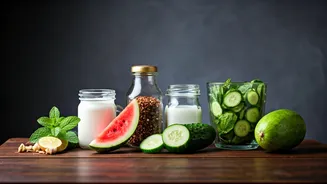
Staying hydrated is non-negotiable, but chugging endless glasses of plain water can get boring. Elevate your hydration game with drinks that cool and replenish. Start with infused water: add cucumber slices, mint leaves, or lemon wedges to a pitcher of cold water for a spa-like refresher that encourages you to drink more. Unsweetened iced herbal teas, especially peppermint or hibiscus, are fantastic choices. Peppermint contains menthol, which triggers cold-sensitive receptors in the mouth, creating a cooling sensation. For replenishing electrolytes lost through sweat, skip the sugary sports drinks and reach for coconut water, a natural source of potassium. And don't forget the simple power of a smoothie made with frozen fruit, a little yogurt, and a splash of milk or a dairy-free alternative for a chilling, nutrient-dense breakfast or snack.
Fruit and Veggie Superstars
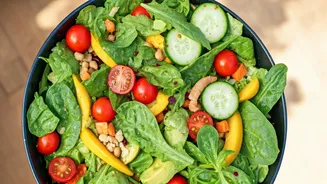
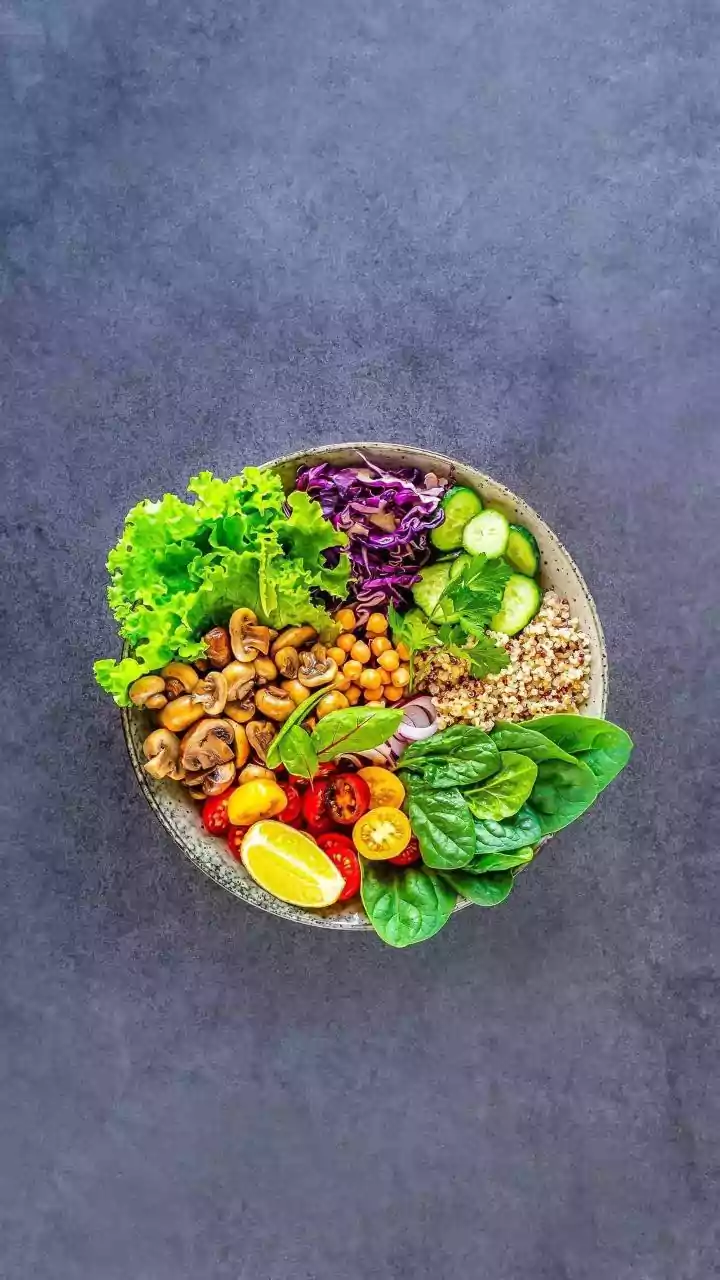
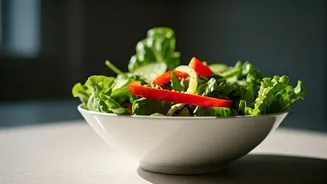
Nature provides the perfect heatwave toolkit in the produce aisle. Many fruits and vegetables are more than 90% water, making them delicious, edible forms of hydration. Watermelon is the undisputed champion, but don't overlook cantaloupe, strawberries, and peaches. On the vegetable side, cucumbers, celery, radishes, and bell peppers offer a satisfying crunch and a high water content. Combine them in a bright, crisp salad with a light vinaigrette. A classic Greek salad with cucumbers, tomatoes, and olives, or a simple plate of sliced melon and prosciutto, feels both elegant and perfectly suited for a sweltering evening. These options are easy to prepare and require little to no cooking, keeping your kitchen—and you—cool.
Lean Proteins, Served Cool
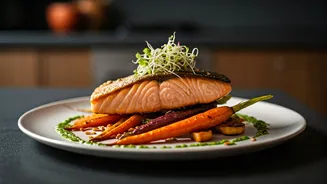
A satisfying meal doesn't have to mean firing up the oven or stove. When you crave something more substantial than a salad, turn to cool, lean proteins. Ceviche is a perfect example. In this classic Latin American dish, fresh fish is 'cooked' in acidic citrus juice and mixed with onions, cilantro, and chili peppers. It’s a no-heat-required marvel. Chilled poached shrimp, served with a zesty cocktail sauce or a squeeze of lemon, is another excellent option. You can also leverage your grill for a few minutes to cook chicken breasts or fish fillets, then let them cool completely to slice over a bed of greens. Even canned tuna or chickpeas can be transformed into a refreshing salad with fresh herbs, lemon juice, and a little olive oil.
The Surprising Power of Spice
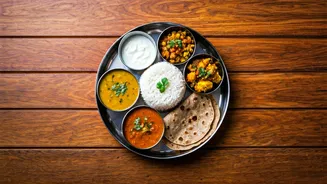
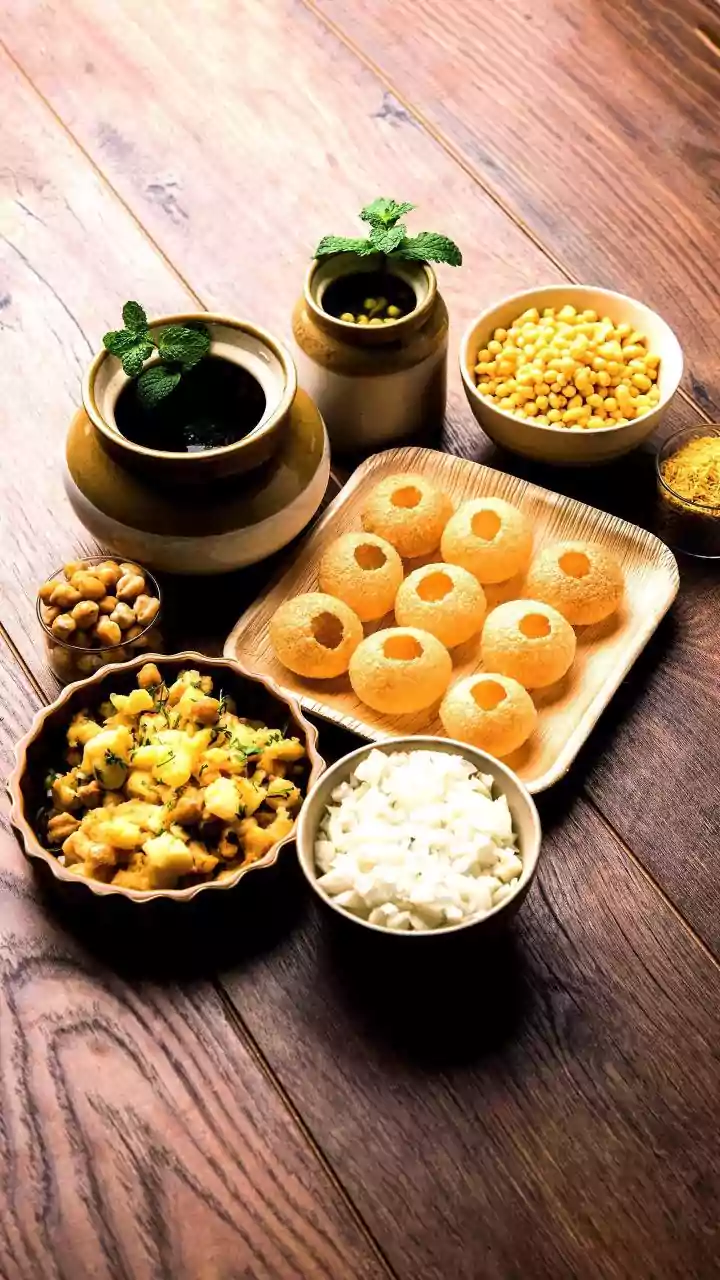
It may seem counterintuitive, but there's a reason why spicy food is popular in many of the world's hottest climates, from Mexico to Thailand to India. The capsaicin in chili peppers triggers a reaction in your body that mimics the sensation of being hot. This, in turn, promotes sweating. As the sweat evaporates from your skin, it creates a powerful cooling effect. It's your body's natural air conditioning system kicking into high gear. While a fiery curry might not be for everyone in the middle of a heat dome, a dish with a moderate kick—like a spicy mango salsa or a Thai-inspired cucumber salad—can be surprisingly refreshing. It’s a case of fighting fire with fire, and emerging cooler on the other side.