



More Than a Free Bite
For decades, the free sample has been a fixture of American grocery shopping, from the cheerful Costco employee handing out mini-quiches to the sliver of cheese offered at a farmer's market. It was seen as a simple, friendly gesture. Today, for a food
startup fighting for survival in a hyper-competitive market, that same gesture has been re-engineered into a sophisticated business tool. Tastings are no longer just a marketing tactic; they are a central pillar of product development, customer acquisition, and brand building. In the startup world, they’ve become the Most Valuable Player—a direct line to the consumer that no amount of digital advertising can replicate.
The Data in Delicious
When a customer tries a new brand of chip or a novel plant-based yogurt, the company gets more than a potential sale. It gets data. Watching a customer’s unfiltered, real-time reaction is marketing gold. Do they hesitate? Do their eyes light up? Do they ask where to buy it? This immediate feedback loop is invaluable. While a tech company might release a Minimum Viable Product (MVP) to test a digital concept, a food startup uses a tasting as its own MVP—a Minimum Viable *Portion*. It allows them to test flavor profiles, packaging concepts, and price points on a small, low-risk scale before committing to a massive production run. A polite 'it's interesting' is a clear signal to go back to the test kitchen, while a passionate 'where has this been all my life?' is the green light for expansion.
Building a Brand, One Bite at a Time
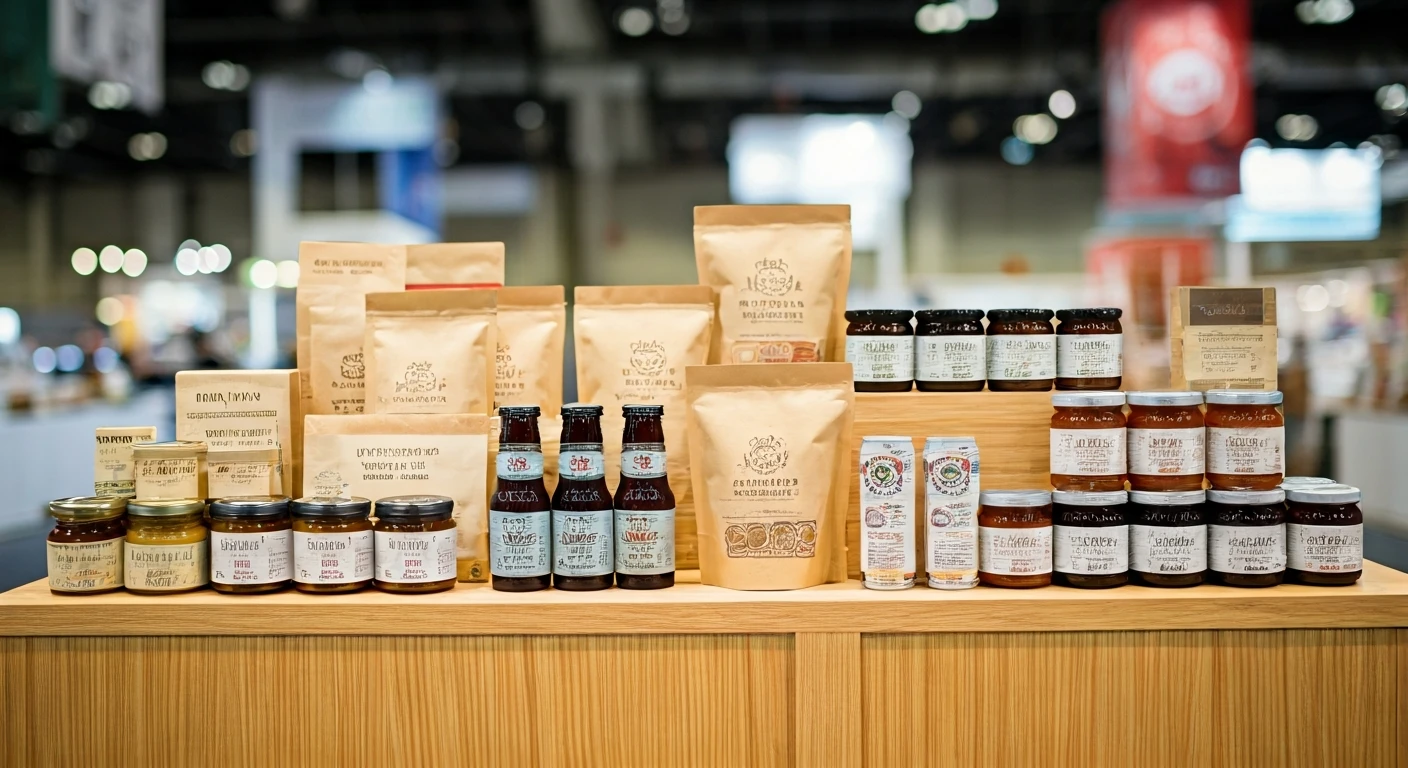
In a world of sponsored posts and algorithm-driven ads, trust is a scarce commodity. A tasting cuts through the noise. The sensory experience of tasting—the aroma, the texture, the flavor—creates a powerful, tangible memory that a digital ad simply cannot. This physical interaction builds an emotional connection. Suddenly, the consumer isn't just buying a product; they're buying from the person who passionately explained the origin of their coffee beans or the story behind their grandmother's sauce recipe. This is especially true at venues like farmer's markets, where founders themselves are often manning the booth. That personal story transforms a transactional purchase into a relational one, fostering a degree of brand loyalty that can last for years. It's the difference between acquiring a customer and winning a fan.
The Economics of the Sample
Of course, tastings aren't free for the company. The cost of product, staffing, and event fees can add up quickly. So why do smart startups continue to invest so heavily? It's all about the math of customer acquisition. A food startup might spend hundreds of dollars on online ads to acquire a single new customer who may or may not ever buy from them again. A tasting, while costly upfront, often has a much higher conversion rate. A study by the promotion agency Interactions found that in-store sampling can boost sales of a product by hundreds, or even thousands, of percentage points on the day of the event. More importantly, it creates a halo effect, increasing sales for the entire brand. When weighed against the high cost and low engagement of many digital marketing channels, the return on investment for a well-executed tasting becomes not just attractive, but essential.