





What Is a Diatomaceous Earth Mat?
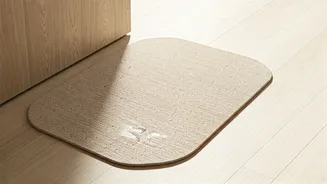
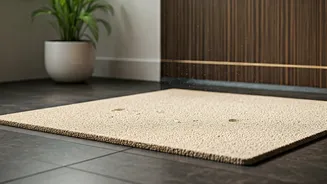
At first glance, it looks like a sleek, flat slab of light stone or unglazed ceramic. It’s cool to the touch and surprisingly lightweight. But this mat isn’t carved from a quarry; it’s made from diatomaceous earth (DE), a remarkable substance composed
of the fossilized remains of tiny aquatic organisms called diatoms. For millions of years, these single-celled algae have formed sediment deposits on the bottom of rivers, lakes, and oceans. When harvested and compressed into a solid form, this silica-rich powder creates a hard, highly porous surface. Think of it less as a rock and more as a high-tech natural sponge, engineered by nature itself.
The Science of Instant Drying
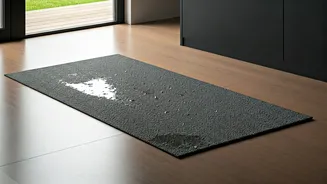
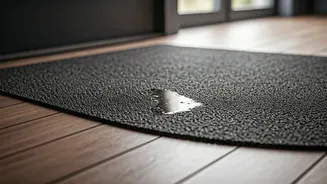
The magic of a diatomaceous earth mat lies in its microscopic structure. Each fossilized diatom is covered in countless tiny pores, creating an incredibly vast surface area. When water from a wet shoe or dripping umbrella hits the mat, it is rapidly pulled into this network of pores through capillary action. The moisture doesn't just sit on the surface; it’s distributed throughout the material, which allows it to evaporate into the air with astonishing speed. Step off the mat, and within a minute or two, the wet footprint visibly fades and vanishes, leaving a dry surface ready for the next person. This rapid drying process is the core feature that sets it apart from any fabric or coir mat.
The Minimalist Appeal and Other Benefits
Beyond its functional prowess, the DE mat is a win for modern home aesthetics. Its clean lines, neutral color, and simple form factor align perfectly with minimalist, Scandinavian, and contemporary design sensibilities. It doesn't bunch up, fray, or hold onto pet hair like a traditional rug. Furthermore, its quick-drying nature has a major hygienic advantage. Because moisture doesn't linger, the mat is naturally resistant to the growth of mold, mildew, and bacteria, which are common culprits behind that funky “wet doormat” smell. This makes it a cleaner, more low-maintenance option for maintaining a fresh entryway, bathroom, or mudroom.
The Reality Check: Mud, Grime, and Care
So, does it keep *all* mud outside? Here's where we need to manage expectations. A diatomaceous earth mat is a champion at absorbing water, the liquid component of mud. It will prevent slushy, wet footprints from being tracked across your floors. However, it is not a scrub brush. Thick, caked-on mud or solid debris will simply sit on top of the mat and will still need to be wiped off your shoes. The surface is hard, not abrasive. Over time, surface pores can become clogged with dirt and oils, reducing absorbency. Maintenance involves a simple rinse or, for deeper cleaning, a light sanding with the included sandpaper to expose a fresh, porous layer. They are also brittle; dropping one or placing it on an uneven surface can cause it to crack.
Is a Stone Mat Right for Your Entryway?
A diatomaceous earth mat is an excellent choice for a home that deals primarily with rain, snowmelt, and light, watery mud. It’s perfect for the city dweller tired of a perpetually damp doormat or the suburban family looking for a sleek solution by the back door leading to the patio. If you value a clean aesthetic and are looking to solve a moisture problem, it’s a brilliant upgrade. However, if your main challenge is thick, clay-like mud from a farm or construction site, you might still need a more traditional, high-friction scraper mat to handle the heavy solids before stepping onto the diatomaceous earth mat for the final drying stage.