





Prioritize Protein at Every Meal
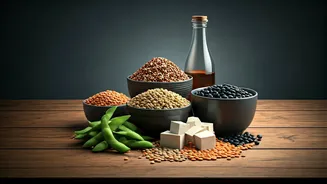
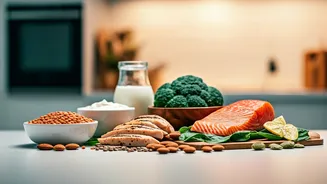
If you want to feel full and stay that way, protein is your most valuable player. Compared to carbohydrates and fats, protein is the most satiating macronutrient. It takes longer to digest and has been shown to reduce levels of ghrelin, the hormone that signals
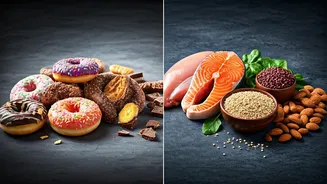
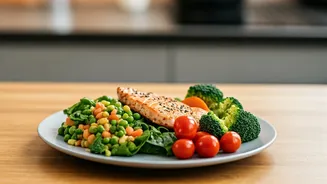
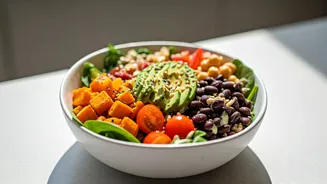
hunger to your brain. It also boosts peptide YY, a hormone that signals fullness. This isn't about subsisting on chicken breasts and protein shakes. It's about smart integration. Start your day with eggs or Greek yogurt instead of a plain bagel. Add a handful of chickpeas or lentils to your salad at lunch. Ensure your dinner includes a solid source like fish, tofu, or lean meat. This simple shift from a carb-heavy plate to a protein-forward one can dramatically reduce cravings and prevent the energy crashes that send you running for the snack drawer.
Embrace High-Fiber Foods
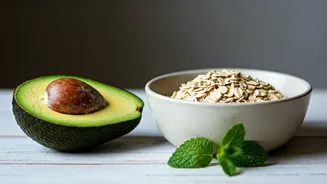
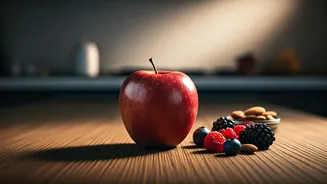
Fiber is the unsung hero of satiety. There are two types, and both play a role. Soluble fiber dissolves in water to form a gel-like substance in your gut, slowing down digestion and making you feel full. Oats, apples, beans, and carrots are excellent sources. Insoluble fiber, found in whole grains and vegetables like cauliflower and green beans, adds bulk to your stool and helps food pass more quickly through your digestive system. More importantly, it physically fills up your stomach, triggering stretch receptors that tell your brain you've had enough. A high-fiber diet stabilizes blood sugar, preventing the sharp spikes and subsequent crashes that can trigger intense hunger. The takeaway: stop thinking of carbs as the enemy and start thinking about fiber as your friend. Choose whole-wheat bread over white, brown rice over white, and load your plate with non-starchy vegetables.
Hydrate Smarter, Not Just More
You’ve heard it a million times: drink more water. But it’s not just about volume; it’s about timing and recognizing your body's signals. The brain sometimes confuses thirst for hunger. Before you reach for a snack, try drinking a full glass of water and waiting 15 minutes. You might find the “hunger” pangs disappear completely. Starting your meal with a glass of water can also increase feelings of fullness, leading you to consume fewer calories naturally. Furthermore, water-rich foods like cucumbers, celery, watermelon, and soups contribute to both hydration and satiety. A broth-based vegetable soup before dinner, for example, is a classic strategy for curbing appetite and increasing your nutrient intake at the same time.
Don't Fear the Right Fats
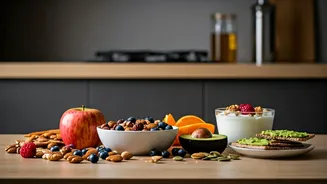
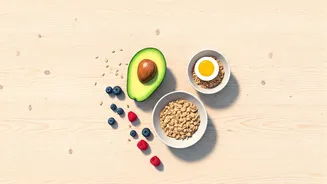
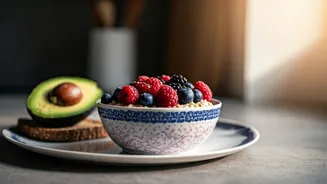
For decades, fat was public enemy number one. We now know that's an oversimplification. Like protein, fat digests very slowly, providing a long, steady release of energy and promoting a lasting sense of fullness. The key is choosing the right kinds. Healthy unsaturated fats, found in avocados, nuts, seeds, and olive oil, are incredibly effective at managing appetite. A small handful of almonds or a quarter of an avocado can be a far more satisfying and hunger-blunting snack than a bag of fat-free pretzels. These fats help regulate appetite hormones and make meals more palatable and satisfying, reducing the psychological urge to keep eating.
Get Serious About Sleep
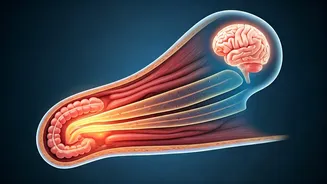
Hunger isn't just a stomach issue; it's a brain issue, and it’s deeply connected to sleep. When you're sleep-deprived, your body's hormone production goes haywire. Levels of ghrelin (the “I’m hungry” hormone) spike, while levels of leptin (the “I’m full” hormone) plummet. This creates a perfect storm for intense cravings, especially for high-calorie, high-carbohydrate foods. Your prefrontal cortex, the part of your brain responsible for impulse control and decision-making, also becomes impaired. This is why after a poor night's sleep, that donut in the breakroom seems irresistible. Prioritizing 7-9 hours of quality sleep is one of the most effective, non-food-related strategies for keeping your appetite in check.