


The New Spring Kickoff
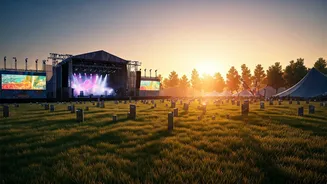
For decades, the American music festival calendar had a familiar rhythm. It started gently after Memorial Day, swelled through the summer months with giants like Bonnaroo and Lollapalooza, and faded out after Labor Day. Now, that rhythm is gone. The season’s
unofficial starting pistol is fired much earlier, with California’s Coachella Valley Music and Arts Festival in April serving as the undeniable trendsetter for music, fashion, and culture for the rest of the year. Before that, Austin's South by Southwest (SXSW) in March, once an industry-focused showcase, has ballooned into a city-wide festival experience that effectively primes the pump for the entire season. These aren't outliers anymore; they are the new anchors. By the time we even get to what was once considered the *start* of summer, the festival landscape has already been defined, with major narratives, breakout artists, and fan expectations firmly established.
The Business of Beating the Crowd
So, why the big shift? The answer, as it often is, comes down to money and logistics. The festival market has become incredibly saturated. A decade ago, there were a few dozen major players. Today, there are hundreds, all competing for the same headliners, the same sponsors, and the same disposable income from fans. By moving earlier in the year, festivals can get a jump on the competition. They can secure artist commitments before their schedules fill up and sell tickets before fans have already spent their summer vacation budget. Promoters are essentially trying to avoid 'wallet fatigue' by being the first major event on a fan’s credit card statement. This 'first-mover' advantage is critical in a landscape where grabbing attention is half the battle. Staging a festival in May or June now means going head-to-head with a dozen other established events; staging one in March or April offers a clearer field.
Climate, Comfort, and Competition
Beyond pure economics, practical realities are forcing a change. Increasingly extreme summer weather is a major factor. Holding a multi-day outdoor event in Tennessee or Texas in July is becoming a logistical and safety nightmare due to oppressive heat and humidity. We've seen festivals plagued by heatstroke emergencies and weather-related cancellations. Shifting to the milder spring months of April and May makes the experience safer and more comfortable for attendees and crew alike. It mitigates the risk of a catastrophic weather event shutting down a multi-million-dollar operation. Furthermore, the expansion isn't just happening at the beginning of the year. A second 'season' has emerged in the fall, with events like Austin City Limits and a growing number of boutique festivals taking advantage of pleasant September and October weather, effectively creating two peak festival seasons instead of one long summer slog.
What It Means for Fans and Artists
This new, elongated calendar has profound effects on everyone involved. For artists, the grueling tour cycle now starts earlier and lasts longer, stretching from spring through fall. It can be a lucrative but physically and mentally demanding grind. For fans, the change requires a new mindset and budget. The decision-making process for which festivals to attend now starts right after New Year's Day. It also changes the very aesthetic of the festival experience. The classic 'summer festival look' is being replaced by more practical, layered outfits suited for a cool desert night in April or a crisp autumn evening in a city park. While it means more opportunities to see live music, it also demands more planning and financial commitment, spreading the cost—and the excitement—across nearly the entire year.