
The Original All-in-One Meal
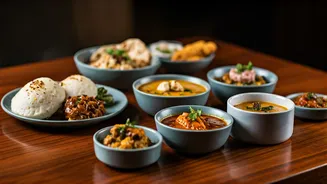
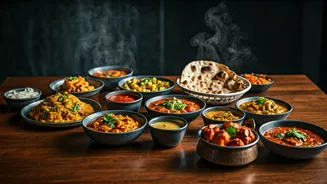
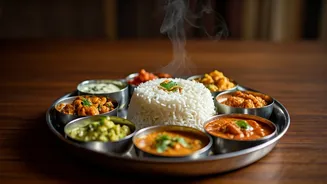
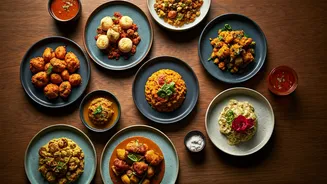
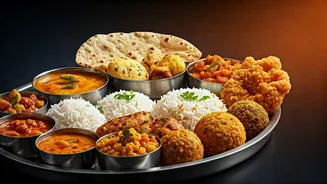
First, a quick refresher. A thali (Hindi for “plate”) is the ultimate Indian tasting menu. Served on a large platter, it consists of a collection of small bowls (katoris) filled with a variety of dishes, accompanied by rice, bread (like roti or naan),
and often a dessert. The genius of the thali lies in its adherence to ancient Ayurvedic principles of nutrition, aiming to present the six primary tastes—sweet, sour, salty, bitter, pungent, and astringent—in a single, harmonious meal. From a simple Gujarati thali with dal, shaak (vegetable curry), and rotli to a lavish South Indian sadya served on a banana leaf, the traditional thali is a masterclass in regional identity and balanced eating. It’s not just a meal; it’s a complete culinary statement.
A Deep Dive Into Regional Roots
For years, Indian food in the U.S. was often simplified into a generic “Northern” or “Southern” category. But that’s changing, and the thali is leading the charge. A new wave of chefs and restaurateurs are championing hyper-regional specificity. Instead of just an “Indian thali,” you can now find platters that celebrate the distinct cuisines of smaller, often-overlooked regions. Think of a Malvani thali from the Konkan coast, heavy on coconut and fresh seafood; a fiery Chettinad thali from Tamil Nadu, known for its complex spice blends; or a rustic Kathiawadi thali from a Saurashtra region of Gujarat, with its unique combination of sweet, spicy, and sour flavors. This trend isn't about invention but rediscovery. It’s a delicious geography lesson, allowing diners to travel across India’s diverse culinary landscape without leaving their table.
The Thali Goes Global
What happens when a brilliant concept can’t be contained by one cuisine? It gets adopted and adapted. The “thali treatment” is now being applied to food from around the world. Imagine an Italian thali: a small portion of carbonara, a scoop of mushroom risotto, a couple of arancini, a sliver of tiramisu, and a side of focaccia, all arranged on one platter. Or a Mexican thali with a mini street taco, a spoonful of esquites, a cup of black bean soup, and a churro for dessert. This isn't about fusion in the sense of mixing ingredients, but rather applying the Indian format of variety, balance, and small-plate sampling to other cuisines. It satisfies the modern diner’s desire for variety and an Instagram-worthy presentation, proving the thali’s core concept is universally appealing.
Embracing the Beautiful Chaos
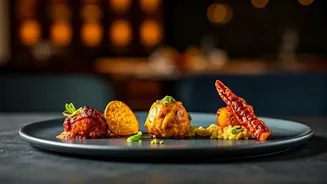
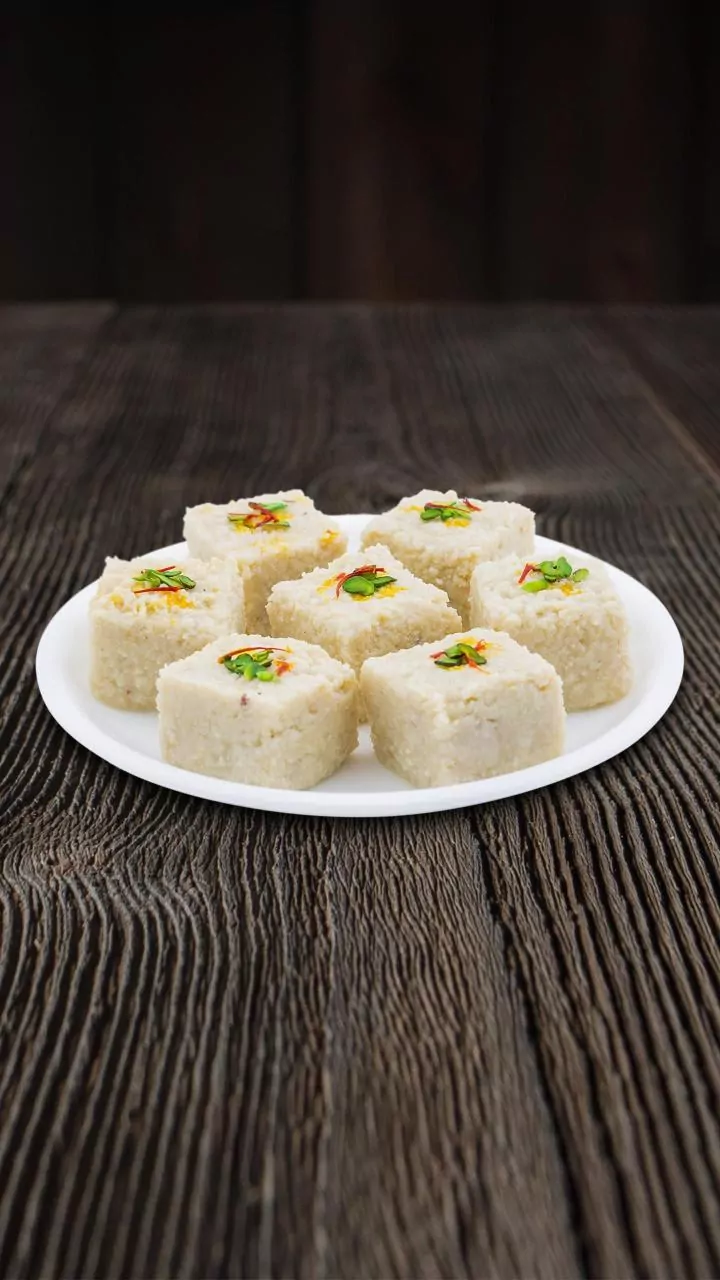
This is where things get really fun. The most exciting evolution of the thali is its move into glorious, rule-breaking chaos. Purists, look away now. We’re seeing the rise of the “dessert thali,” a platter loaded with miniature versions of sweets like gulab jamun, jalebi, kulfi, and halwa. There are “chaat thalis” that bring together the best of Indian street food snacks on one plate. Even more adventurous are the true fusion thalis that playfully mix and match traditions. You might find a butter chicken taco sitting next to a piece of paneer tikka sushi, or a biryani arancini alongside a traditional dal. This “chaotic” approach throws the old regional rulebook out the window in favor of a single guiding principle: if it tastes good together, it belongs. It’s a reflection of a more global, interconnected food culture where tradition is a starting point, not a straitjacket.