


Start With Prevention, Not Panic
The single most effective way to deal with pests is to never let them in. This sounds simple, but it requires discipline. Every new plant, whether from a fancy nursery or a big-box store, must be treated as a potential Trojan horse. Before it joins your
collection, give it a thorough inspection—check under leaves, along stems, and in the soil. Better yet, quarantine it. Keep the new plant in a separate room for two to four weeks. This isolation period gives any hidden eggs time to hatch or dormant pests to appear, saving your established plants from a potential infestation. While you’re at it, always use fresh, sterile potting mix and clean pots when repotting. Reusing old soil is an open invitation for problems.
Rethink Your Watering Habits
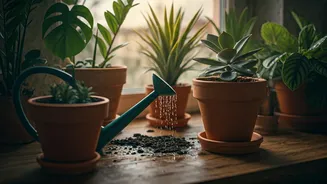
More houseplants die from overwatering than any other cause, and soggy soil is the number one attractant for one of the most annoying pests: fungus gnats. These tiny black flies aren't just irritating; their larvae live in the top layer of damp soil, feeding on roots and organic matter. The solution is to let your plants dry out. Ditch the rigid watering schedule and learn to read your plants. Stick your finger two inches into the soil; if it’s dry, it’s time to water. If it’s moist, wait. This simple change starves out fungus gnat larvae and prevents root rot, creating a healthier environment that’s less hospitable to pests of all kinds. When you do water, water thoroughly until it runs from the drainage hole, then dump the excess from the saucer.
Improve Airflow and Humidity
Stagnant, humid air is a breeding ground for problems. Spider mites, in particular, thrive in dry, still conditions, while powdery mildew loves humidity without airflow. Giving your plants some breathing room can make a world of difference. Avoid cramming them together on a shelf where air can’t circulate. If your home is very dry, especially in winter, spider mites can take hold quickly. Grouping plants together can help raise ambient humidity, but a small fan set on low in the room for a few hours a day can also work wonders. It mimics a natural breeze, strengthening stems and, most importantly, disrupting the stagnant conditions that pests and fungal diseases love.
Your First Line of Defense
Even with the best prevention, a pest might occasionally show up. Don’t reach for the harsh chemical spray. Your first response can be simple and gentle. For pests like spider mites and mealybugs, a strong spray of water can physically dislodge many of them. For a more targeted approach, a solution of insecticidal soap or neem oil is indispensable. These are less toxic than synthetic pesticides and work by smothering soft-bodied insects. You can buy pre-mixed formulas or make your own. For mealybugs or scale, a cotton swab dipped in rubbing alcohol allows you to spot-treat and dissolve their protective coating on contact. The key is to be consistent and re-treat every 5-7 days for a few weeks to catch newly hatched pests.
Choose Your Fighters Wisely
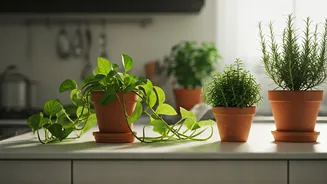
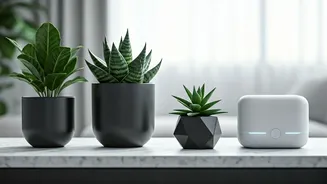
If you're tired of battling pests, start by choosing plants that are naturally built to resist them. Some species are just tougher than others. The Snake Plant (Sansevieria trifasciata) has stiff, waxy leaves that are difficult for pests to pierce. The ZZ Plant (Zamioculcas zamiifolia) is similarly armored with a thick, glossy coating on its foliage. Pothos (Epipremnum aureum) is famously resilient and grows so quickly that it can often outpace minor pest damage. Other great choices include the Cast Iron Plant, which lives up to its name, and most Hoyas, whose waxy leaves offer good protection. Filling your home with these hardy varieties can give you the lush, green look you want with a fraction of the pest-related stress.