

What Does ‘Working Harder’ Even Mean?
At its core, ‘food that works harder’ is a simple idea with powerful implications. It’s about moving beyond ingredients that only do one thing—like providing calories or a single vitamin—and embracing foods that are multitaskers. Think of it as the 'capsule
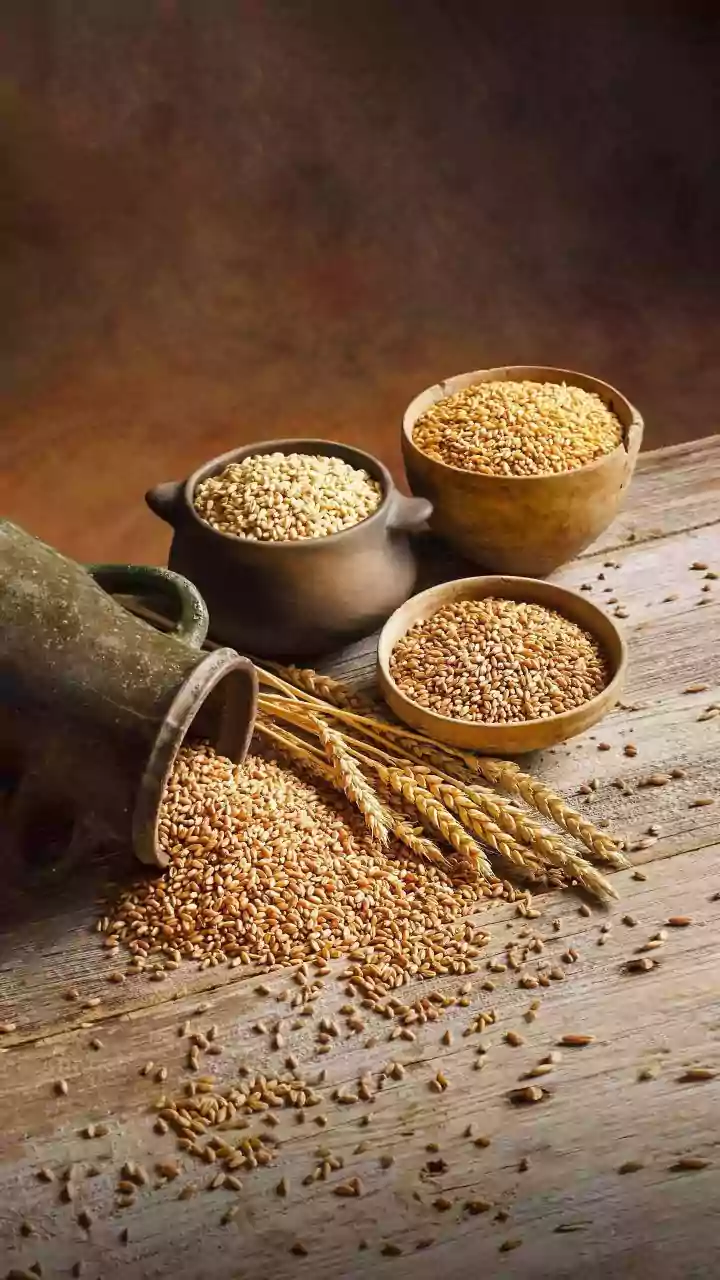
wardrobe' concept for your pantry. This isn't about deprivation; it's about efficiency and value. A hard-working food might offer a potent mix of nutrients, serve multiple culinary purposes, support your budget by reducing waste, or even help regenerate the planet. It’s the difference between a plain white-flour tortilla and one made with upcycled barley and packed with fiber, or a simple sweetener versus a date syrup that also delivers antioxidants and minerals. We’re getting smarter and more demanding as consumers, and we expect our food to keep up.
The Nutritional Power-Up
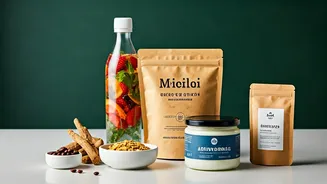
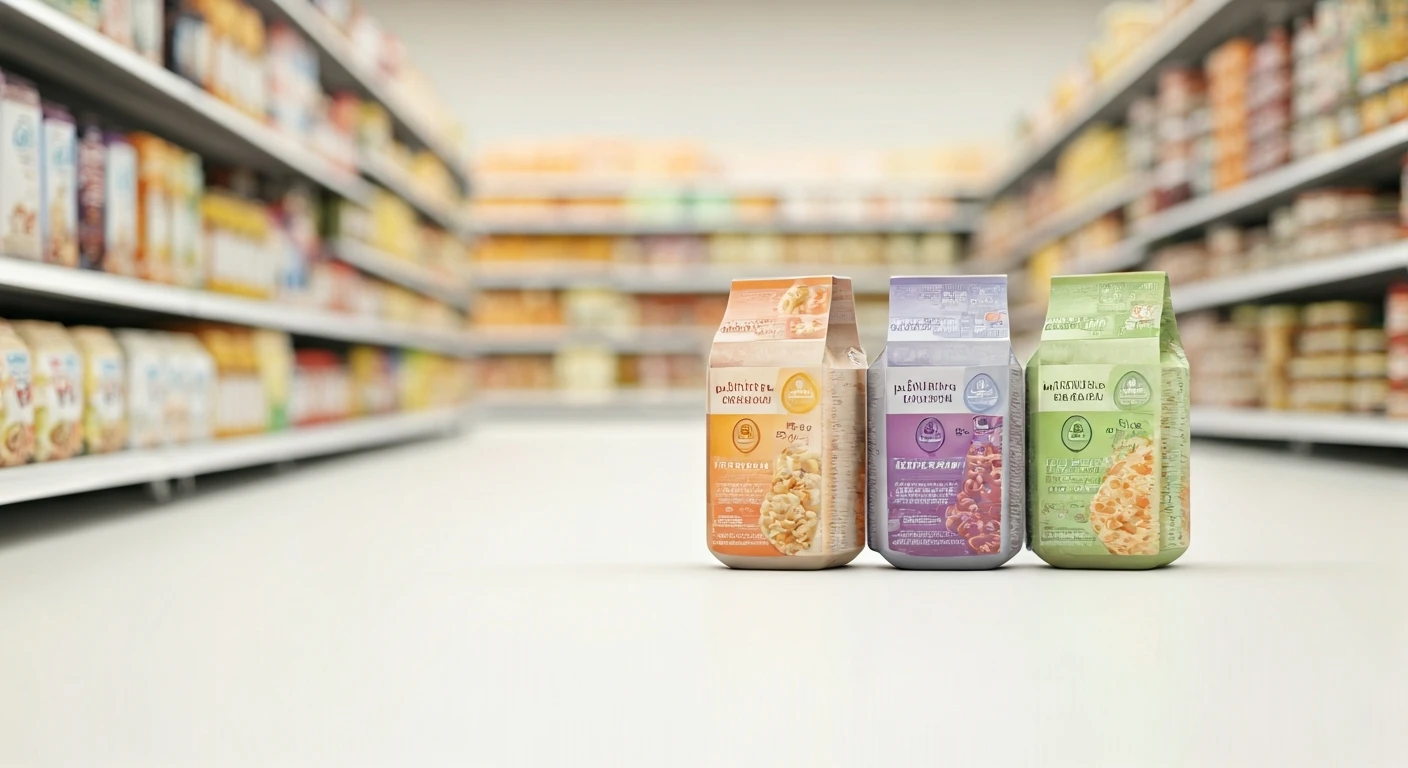
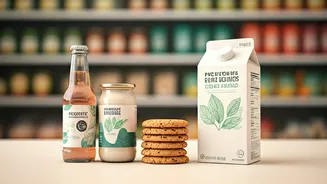
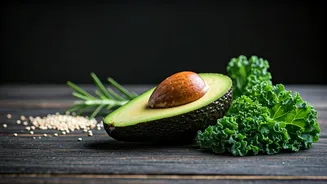
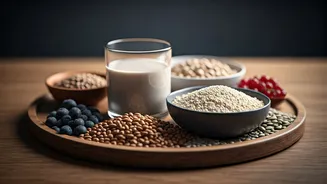
One of the clearest expressions of this trend is the boom in functional foods. These are ingredients that come with built-in health benefits beyond basic nutrition. We're not just asking, 'Does this have protein?' but also, 'Does this support my gut health, reduce inflammation, or help me focus?' Fermented foods like kimchi and kefir are classic examples, delivering flavor, probiotics, and preserving vegetables all at once. Mushrooms are another star player, with varieties like lion's mane and reishi being praised for their cognitive and immune-supporting properties (adaptogens). You’ll see this manifest in grocery aisles with things like prebiotic sodas that are good for your microbiome, coffee blended with adaptogenic herbs for 'clean' energy, and pastas made from lentils or chickpeas that pack a protein and fiber punch, working harder than their refined-flour cousins.
Smarter Spending, Less Waste
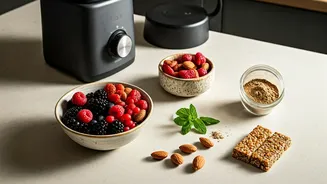
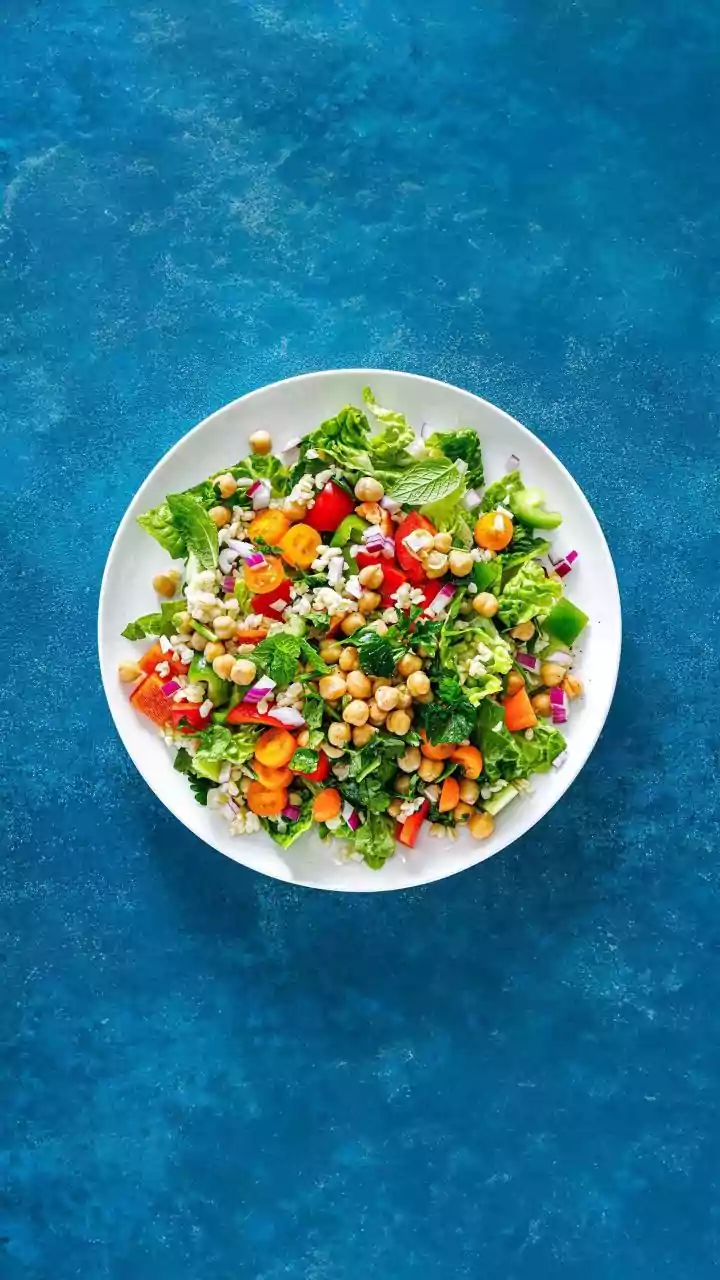
In an era of stubborn inflation, 'working harder' has a crucial economic dimension. It’s about maximizing every dollar spent at the grocery store. This mood champions a return to 'root-to-leaf' or 'nose-to-tail' principles, where every part of an ingredient is used. Think saving vegetable scraps for a flavorful broth, turning leftover herbs into pesto, or buying a whole chicken and using it for multiple meals, right down to the bones. Versatile pantry staples are also key. A can of chickpeas can become hummus, a crispy snack, a salad topper, or the base for a curry. This isn't just about being frugal; it's about being resourceful and respecting the food we buy. It’s a quiet rebellion against a culture of convenience that created immense food waste.
A Planet-Friendly Plate
The 2026 mood is also deeply intertwined with climate consciousness. Food that works harder often does so for the planet, too. This is where upcycled ingredients come in. These are the overlooked but perfectly nutritious byproducts of food production, like the pulp from oat milk or the seeds from fruit juice, which are now being transformed into flours, snacks, and other value-added products. They work harder by fighting food waste at an industrial scale. Similarly, there's a growing focus on foods from regenerative agriculture—farming practices that restore soil health, capture carbon, and improve biodiversity. Buying products from these systems means your food is not just nourishing you; it's actively helping to heal the environment. Think perennial grains like Kernza or regeneratively grazed beef. They perform double duty, feeding us while fixing the earth.