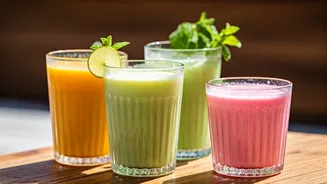










Lassi: The Yogurt Superstar
Let’s start with the icon. Lassi is a creamy, yogurt-based drink that’s a staple across North India, particularly in Punjab. If you've only had the mango lassi at your local Indian restaurant in the States, you've just scratched the surface. On the ground
in India, you’ll find it in two main forms: sweet or salted. Sweet lassi is a rich, dessert-like concoction of yogurt, water, and sugar, sometimes flavored with rosewater or cardamom and topped with a dollop of clotted cream (malai). Salty lassi (a close cousin of Chaas) is a more savory, spiced version with cumin and salt. It’s the perfect, hearty refreshment after a morning of exploring bustling markets. In cities like Amritsar or Varanasi, you’ll see vendors churning it by hand in huge metal pots, a spectacle in itself.
Chaas: The Savory Thirst Quencher
If lassi is a meal in a glass, chaas (or chaach) is its lighter, more agile sibling. This spiced buttermilk is the ultimate digestive and hydrator, prized for its cooling properties. Made by watering down yogurt and churning it to remove the butterfat, it’s thin, refreshing, and decidedly savory. The flavor profile comes from a blend of salt, roasted cumin powder, and sometimes fresh cilantro, mint, or ginger. Unlike the thick sweetness of a dessert lassi, chaas is something you drink throughout the day, especially after a heavy, spicy meal. It’s believed to aid digestion and restore balance to the body. You’ll find it served in humble steel cups in homes and thali restaurants across Gujarat, Rajasthan, and South India, where it proves that not all refreshing drinks need to be sweet.
Aam Panna: The Tangy Taste of Summer
This is the flavor of an Indian childhood summer. Aam Panna is a uniquely delicious cooler made from the pulp of boiled unripe green mangoes. The result is a drink that perfectly balances tangy, sweet, and savory notes. The raw mango pulp is mixed with water, sugar, and a complex blend of spices like cumin, black salt (kala namak), and black pepper. The black salt, with its slightly sulfuric aroma, is key to its distinctive taste. Aam Panna is not just a treat; it's considered a folk remedy for preventing heatstroke and dehydration, packed with vitamins. Its vibrant sweet-and-sour profile is unlike any Western fruit drink, making it a must-try for any adventurous traveler.
Jaljeera: The Spicy Appetizer
Prepare your palate for a jolt. Jaljeera, which translates to “cumin water,” is an intensely flavored, non-alcoholic aperitif. It’s a pungent, spicy, and tangy drink designed to awaken your taste buds before a meal. The base is a watery mix of tamarind pulp and a powerful spice blend called jaljeera powder, which includes cumin, ginger, black pepper, mint, and a healthy dose of black salt. Served ice-cold, often with tiny, crispy fried dough balls (boondi) floating on top, its initial shock gives way to a surprisingly refreshing aftertaste. You’ll find street vendors selling it from large clay pots (matkas) that keep it naturally cool. While it might be an acquired taste for some, it’s the ultimate way to understand India’s love for complex, savory flavors.
Nimbu Pani: The Everyday Essential
Don’t mistake this for simple lemonade. Nimbu Pani (lime/lemon water) is India’s ubiquitous, all-purpose refresher, but with a twist. While you can get it sweet, the classic version is a sweet-and-salty mix that’s far more effective at rehydration. Every street corner, train station, and restaurant has its own version, but the core components are fresh lime juice, water, sugar, and a pinch of salt—often black salt. This combination helps replenish electrolytes lost through sweat. Some vendors will add a splash of ginger juice or a sprinkle of chaat masala for an extra layer of flavor. It’s simple, effective, and a constant companion during any summer journey through India.
Solkadhi: The Coastal Cooler
Head to the Konkan coast (Goa and Maharashtra), and you'll discover this beautiful, pale pink digestive drink. Solkadhi is a regional specialty made from kokum, a sour fruit from the mangosteen family, and coconut milk. The kokum imparts a unique sourness and its lovely color, while the coconut milk provides a smooth, cooling counterbalance. Often seasoned with a hint of garlic, chili, and cilantro, it's served as a palate cleanser or digestive at the end of a spicy seafood meal. Its flavor is completely unique—a creamy, tangy, and slightly pungent experience that soothes the stomach and delights the senses. Finding Solkadhi is a sign you’re truly off the main tourist trail and tasting the local flavor.