

The Allure of the Easy Answer
The appeal of a copy-paste meal plan is obvious. In a world saturated with conflicting nutrition advice, a pre-written script feels like a lifeline. It promises to eliminate decision fatigue, a very real struggle for busy Americans. Just buy the ingredients,
follow the steps, and see results. This plug-and-play fantasy is sold by countless apps, influencers, and wellness programs. It offers structure in the face of chaos, promising that if you can just exert enough willpower to follow the rules, you’ll achieve your health goals. The problem is, human beings aren't robots, and our lives rarely conform to a spreadsheet for more than a few days at a time.
Why One Size Fits No One
The fundamental flaw of the generic meal plan is that it ignores bio-individuality. Your nutritional needs are unique, shaped by your genetics, activity level, gut microbiome, age, and health status. A plan designed for a 25-year-old marathon runner is not only ineffective but potentially detrimental for a 45-year-old office worker with different metabolic needs. Beyond biology, these plans disregard the realities of daily life. They don’t account for your budget, your cooking skills, your family’s preferences, or the fact that your coworker just brought in birthday cake. Life is unpredictable. A rigid plan shatters the moment it collides with a spontaneous dinner invitation or a kid who refuses to eat kale. Instead of a tool for success, it becomes a blueprint for failure.
The Cycle of Guilt and Restriction
When we inevitably deviate from the plan—because we’re human—we don’t blame the plan; we blame ourselves. This creates a vicious cycle of restriction, perceived failure, and guilt. You feel like you “messed up,” which can lead to giving up entirely or swinging to the opposite extreme of overindulgence (“I already ruined my diet, so what’s the point?”). This all-or-nothing thinking is a hallmark of diet culture, and it fosters a deeply unhealthy relationship with food. Food becomes a source of anxiety, categorized into “good” and “bad” columns. This is the exact opposite of what true wellness should be. The backlash against this rigid mindset is fueling the rise of movements like intuitive eating and an anti-diet approach, which prioritize internal cues over external rules.
The New Goal: Flexible Frameworks
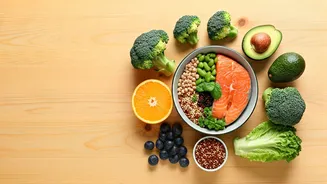
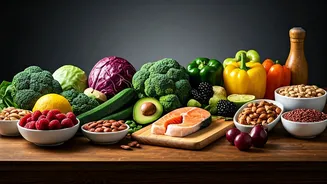
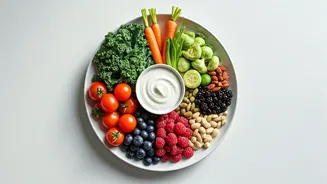
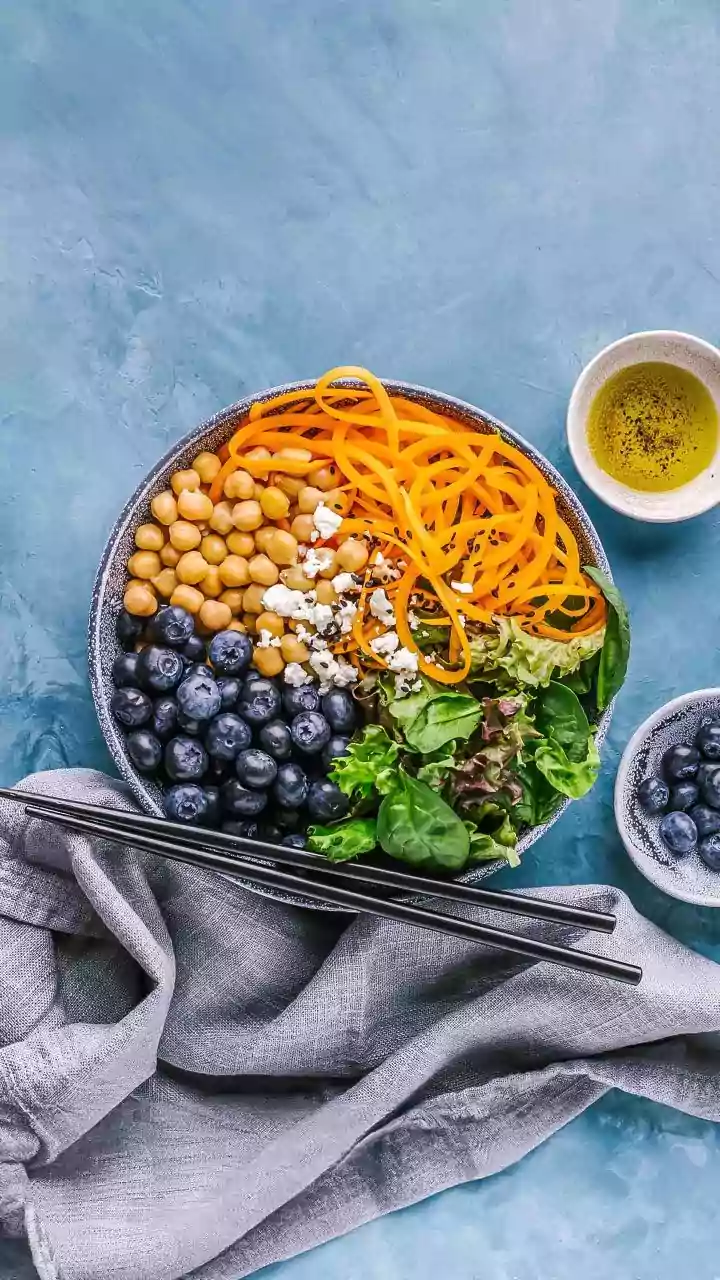
So, if strict plans are out, what’s in? The answer isn’t chaos; it’s creating a flexible framework. Instead of a rigid set of meals, this approach focuses on learning durable principles. It’s about understanding what a balanced plate looks like, rather than being told to eat exactly 4oz of chicken and one cup of broccoli. People are turning to registered dietitians and certified nutritionists who teach them *how* to eat for their own bodies and lifestyles. They're learning concepts like the “Plate Method” (filling half your plate with non-starchy veggies, a quarter with protein, and a quarter with carbs) or focusing on “adding in” nutrient-dense foods rather than just restricting others. This shift empowers individuals to make informed choices in any situation, whether at home, a restaurant, or a party.
How to Build Your Own Plan
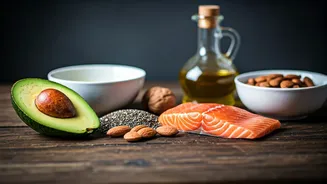
Building your own sustainable eating style starts with observation, not restriction. Begin by simply noticing your current habits without judgment. Pay attention to your hunger and fullness cues—are you eating because you’re hungry or because the clock says it’s lunchtime? Start small by focusing on one simple goal, like adding a vegetable to every dinner or swapping sugary drinks for water most of the time. Think in terms of templates, not prescriptions. For example, a breakfast template might be “protein + fiber,” which could be eggs with spinach one day, Greek yogurt with berries the next, or a smoothie with protein powder and chia seeds on a busy morning. This provides structure without the rigidity, allowing you to build healthy, enjoyable habits that actually last.