






The Air Fryer Ascendancy
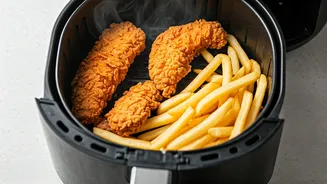
If one appliance defines the Gen Z kitchen, it’s the air fryer. This countertop convection oven has become the generation’s go-to for its ability to deliver on the two key promises of modern home cooking: speed and crispiness. Unlike a conventional oven that
requires preheating and significant cooking time, an air fryer is ready in minutes and can turn humble frozen fries, day-old pizza, or fresh vegetables into a delightfully crunchy meal in under 15 minutes. This efficiency is paramount for a generation juggling gig work, side hustles, and a social life, often from smaller living spaces like apartments or shared homes where a full-sized oven feels like overkill. The air fryer isn’t just a gadget; it’s a solution to the constraints of modern young adulthood. It minimizes cleanup, maximizes texture, and respects the most valuable resource of all: time.
Cooking for the Algorithm
The food Gen Z makes is inextricably linked to the food they watch. On platforms like TikTok and Instagram Reels, the most successful food content is fast, visually punchy, and audibly satisfying. A 30-second video can’t luxuriate in the slow browning of an onion; it needs to get to the payoff. That payoff is often the sound of a knife cracking through a crispy potato skin, the sight of perfectly golden-brown chicken, or the cheese-pull from a toasted sandwich. Cooks are creating meals that are not just for eating but for performing. This has created a feedback loop: the algorithm favors quick, crispy content, which in turn inspires millions of home cooks to replicate those same dishes. The result is a culinary landscape where a recipe’s “viral potential”—its visual and sonic appeal—is almost as important as its flavor.
Texture Is the New Flavor
For many Gen Z cooks, texture has become a primary pursuit, sometimes even more so than complex flavor profiles. The obsession with “crispy” and “crunchy” speaks to a desire for a more potent sensory experience. After a day spent scrolling through a smooth, frictionless digital world, the tactile, audible satisfaction of crunchy food provides a grounding, real-world reward. It’s no coincidence that this trend aligns with the rise of ASMR (Autonomous Sensory Meridian Response) content, where crisp sounds are a major trigger for pleasurable sensations. A perfectly crisped piece of salmon skin or a shatteringly brittle crust on a crème brûlée offers a multi-sensory hit that a simple stew cannot. This isn't to say flavor is ignored, but it is often simplified—a sprinkle of umami-rich seasoning, a drizzle of hot honey—to let the textural fireworks take center stage.
Redefining 'Homemade'
The very definition of a “home-cooked meal” is shifting. The Boomer ideal might have been a multi-component meal made from scratch, taking hours of loving labor. For Gen Z, “homemade” is more about assembly and enhancement. It’s about being the chef, not necessarily the farmer, butcher, and baker. This looks like air-frying a pre-marinated piece of tofu and putting it on a bed of microwavable rice with a fancy chili crisp bought online. It’s a “kitchen hack” approach that values efficiency and high-impact results over laborious process. This isn’t laziness; it’s pragmatism. It’s a recognition that you can achieve 90% of the satisfaction of a traditional meal in 20% of the time by leveraging modern conveniences, from pre-chopped vegetables to sophisticated sauces. The pride comes from the smart combination and the final, delicious result, not the hours spent at the stove.