


The Flesh: Your Tangy Foundation
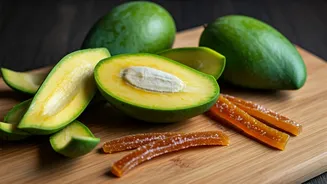
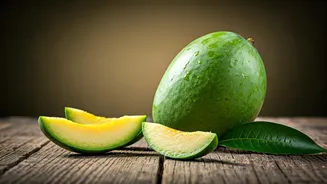
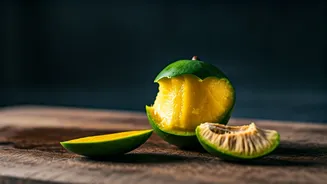
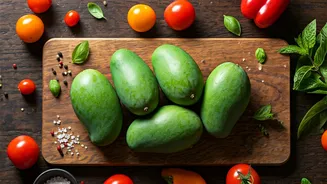
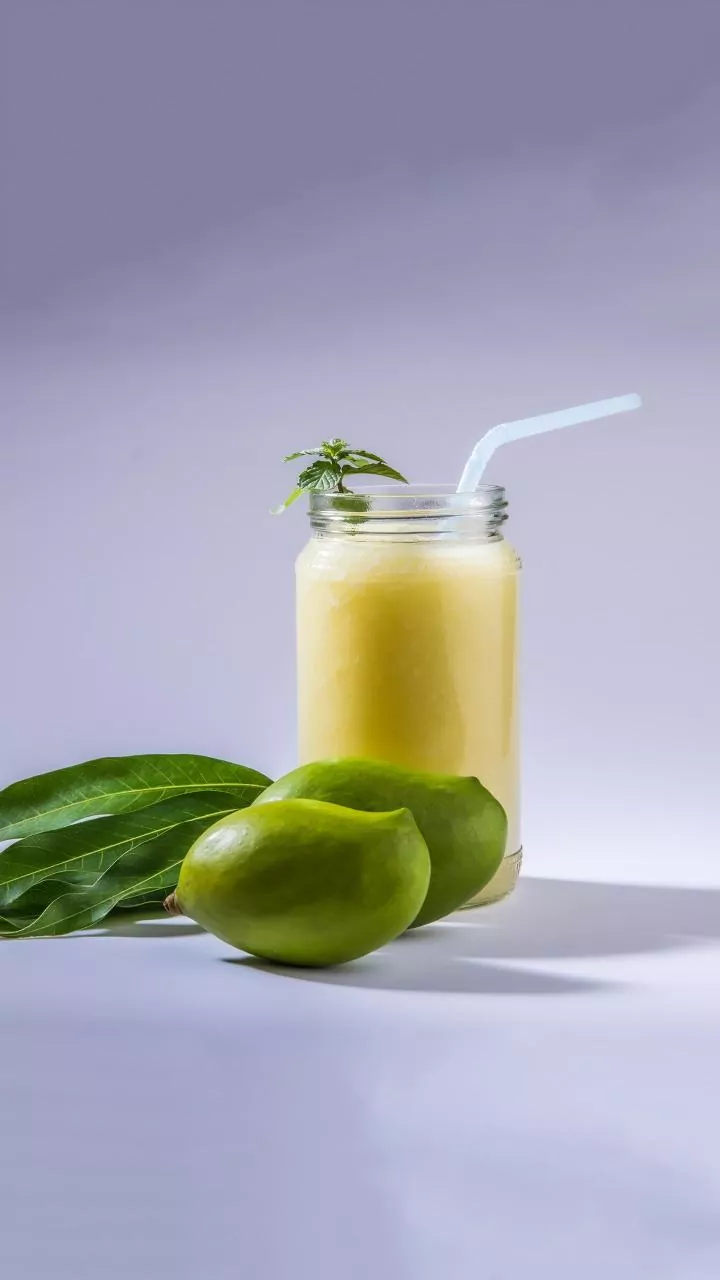
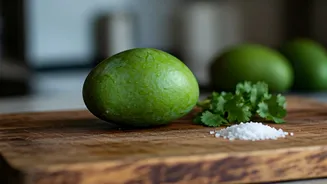
When you think of mango, you probably picture the sweet, juicy orange flesh of a ripe one. But the unripe, green mango is a culinary powerhouse in its own right, prized across South and Southeast Asia for its firm texture and electric tartness. Its flesh is the starting
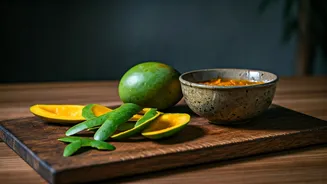
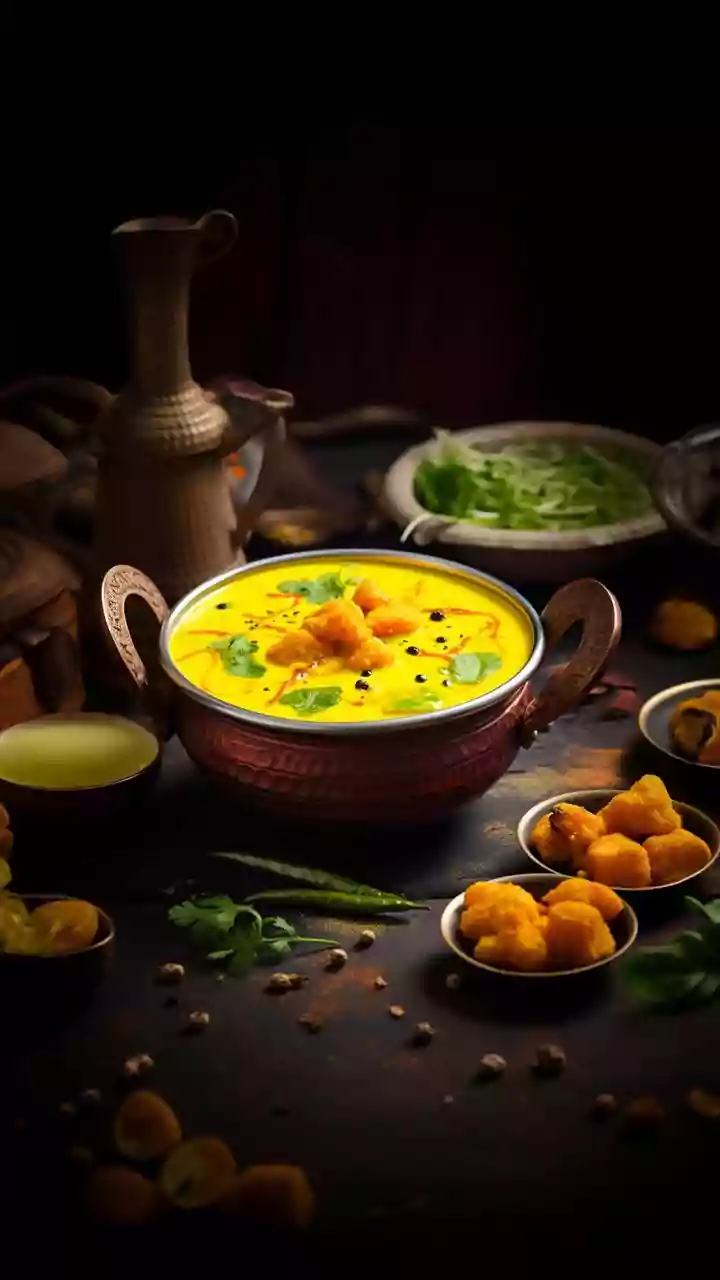
point for a world of flavor that goes far beyond a simple salad topping. Grate it into a vibrant slaw with carrots, cilantro, and a pinch of chili for a refreshing side dish that cuts through rich foods. In many Indian households, shredded raw mango is stirred into lentil dishes like dal right at the end of cooking, adding a bright, sour note that elevates the entire pot. You can also create a simple and explosive chutney by blending the cubed flesh with fresh mint, ginger, green chilies, and a touch of salt. This versatile condiment can be slathered on sandwiches, served with grilled meats, or used as a dip for just about anything. The key is to treat it less like a fruit and more like a zesty, edible acid—your replacement for lemon or vinegar, but with more body and a distinct tropical character.
The Peel: Flavor You've Been Tossing
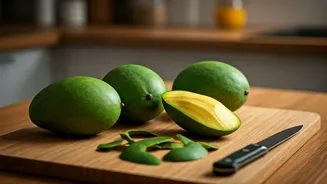
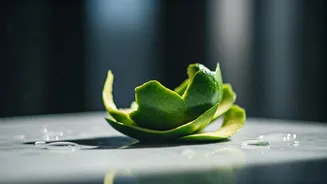
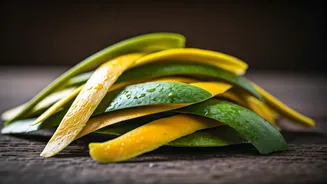
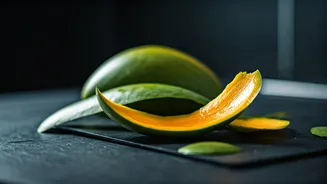
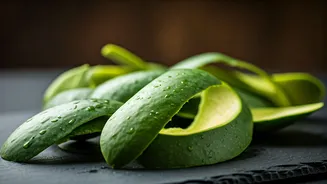
Here’s where the zero-waste ethos really kicks in. Tossing the peel of a raw mango is like throwing away a jar of pickles you didn't know you had. Unlike the tougher skin of a ripe mango, the peel of a green one is thinner and packed with pectin and tangy flavor, making it perfect for preservation. The most classic use is in Indian pickles, or 'achaar.' When chopped and mixed with salt, turmeric, chili powder, and mustard oil, the peels and flesh ferment together over weeks, softening into a complex, funky, and utterly addictive condiment. For a quicker fix, you can make a 'refrigerator peel pickle.' Thinly slice the peels, toss them with salt, a little sugar, and some finely chopped ginger and green chili. Let it sit in the fridge for a day or two. The salt will draw out moisture and create a brine, leaving you with a crunchy, tangy snack that’s fantastic on rice or alongside a simple meal. This simple act transforms something you’d normally compost into a genuinely delicious and useful part of your pantry.
The Seed: The Ultimate Secret Weapon
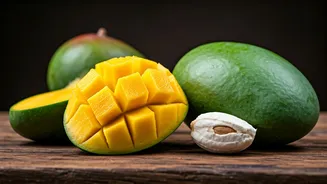
This is the final frontier of mango utilization. The hard, woody pit you’re left with seems destined for the trash, but inside it lies one last treasure: the kernel. To get to it, let the pit dry for a day or two, which makes it easier to crack open (use a nutcracker or the back of a heavy knife, carefully). Inside, you’ll find a softer, starchy kernel. In some regional Indian cuisines, this kernel is dried and ground into a powder. This powder can be used as a thickening agent or even mixed with flour to make rustic flatbreads. An even more accessible use is to make 'mukhwas,' a traditional mouth freshener and digestive aid. After extracting the kernel, thinly slice it and dry it in a low oven or a sunny spot until it’s completely dehydrated and brittle. Then, pan-roast the dried slices with a pinch of salt until they’re lightly toasted and fragrant. These crunchy, slightly astringent chips are chewed after a meal to cleanse the palate. It’s a practice that embodies the resourcefulness of zero-waste thinking, finding purpose and even delight in the most overlooked part of the fruit.
The Mindset: Beyond the Mango
Mastering the raw mango is more than a party trick; it’s a lesson in a broader culinary philosophy. The goal of zero-waste cooking isn’t about scrounging for scraps; it’s about seeing potential in every part of an ingredient. Once you’ve made pickles from mango peels and a snack from its seed, you’ll start looking at all your produce differently. Those broccoli stems? Don't toss them—peel and slice them for a stir-fry or grate them into a slaw. Carrot tops? Whiz them into a pesto with garlic, nuts, and olive oil. The woody ends of asparagus can be simmered in water to create a flavorful vegetable stock. The raw mango is just a gateway. It teaches you to challenge your assumptions about what’s edible and what’s trash, unlocking new textures, flavors, and a more sustainable relationship with the food you buy and cook.