



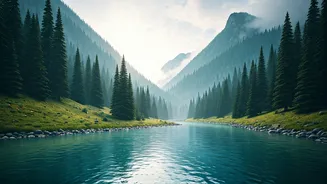
The Rise of the 'Coolcation'
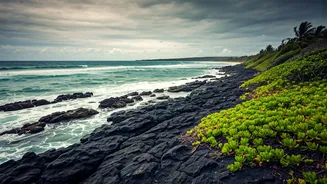
The single biggest competitor to the tropical beach is, quite simply, the weather. As summer temperatures shatter records across the globe, the idea of intentionally flying toward humidity and scorching sun is losing its appeal for many. Enter the 'coolcation.'
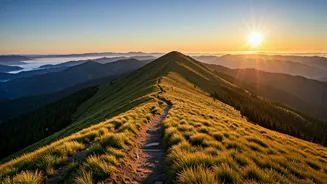
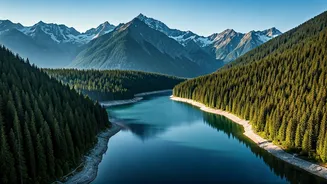
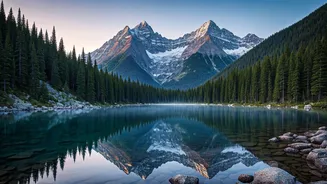
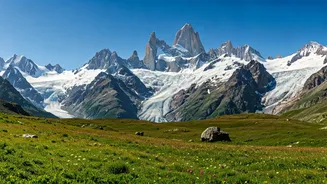
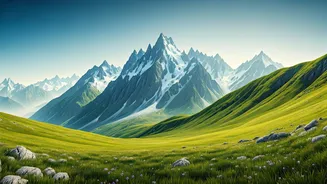
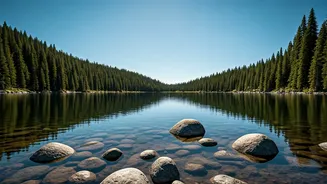
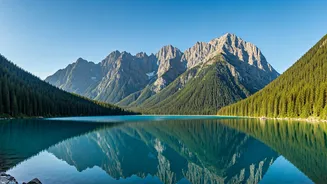
Instead of the Caribbean or the Mediterranean in July, travelers are increasingly booking trips to places like Scandinavia, the Pacific Northwest, Canada, and even Alaska. Travel companies report a significant spike in interest for destinations where the average summer high is a pleasant 70 degrees. This isn’t just about comfort; it's a direct response to climate change's impact on our leisure time. Wildfires, extreme heat advisories, and 'heat domes' are becoming regular features of summer in traditional warm-weather spots, making a mountain lake in Montana or a fjord in Norway look like a much more reliable and relaxing option.
From Passive Sunbathing to Active Experiences
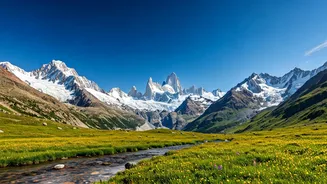
The battle is also being fought over the very definition of 'vacation.' The post-pandemic traveler, in particular, seems less interested in purely passive relaxation. After years of being cooped up, many Americans are seeking trips that offer more than a lounge chair and a cocktail. They want to do something. This could mean adventure travel, like hiking and kayaking through a national park, or skill-based trips, like a cooking course in Tuscany or a language immersion program in Montreal. The goal is no longer just to 'get away' but to come back with a new skill, a fresh perspective, or a genuine sense of accomplishment. While some beach resorts have adapted by offering more activities, their core product—sunbathing—is being challenged by a generation that equates fulfillment with activity, not idleness.
The Problem of Crowds and Costs
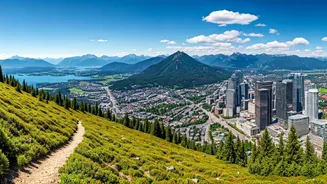
The most popular beaches are victims of their own success. Viral social media posts have turned once-hidden gems into overwhelmed tourist traps, a phenomenon known as 'overtourism.' For many, the reality of a beach vacation now involves waking up at dawn to claim a spot on the sand, waiting in long lines for dinner, and paying exorbitant prices for hotels and flights. The value proposition is eroding. In response, savvy travelers are looking for second-tier cities or rural regions where their dollar goes further and the experience feels more authentic. A trip to the Great Lakes region, the mountains of Vermont, or the vibrant cities of the Midwest can offer a rich cultural experience without the logistical headaches and financial strain of competing for a patch of sand in South Florida or Cancún.
Redefining Wellness and Relaxation
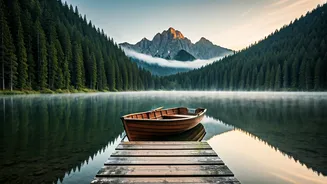
For years, the beach was the default backdrop for wellness, a place to de-stress and recharge. But that, too, is changing. The modern wellness movement has expanded far beyond massages and sun tans. Today, it incorporates mental, physical, and spiritual health in a more holistic way. For some, true relaxation is found in a silent retreat in the desert, a digital detox in a remote cabin, or a physically demanding trek that quiets the mind. The quiet solitude of a forest or the stark beauty of a canyon can provide a deeper sense of peace than a noisy, crowded beach. This shift reflects a deeper understanding of what it means to recharge: it's less about escaping work and more about actively reconnecting with oneself and the natural world in a meaningful, often non-tropical, setting.